Flirting works best when it feels light, mutual, and natural. The problem begins when a playful signal starts carrying too much emotional weight too soon. In modern dating, where texts, likes, voice notes, dating apps, and social media all blur the line between interest and overinvestment, small behaviors can send a much louder message than intended.
We also date in a climate where people already feel cautious. Pew Research Center found that 30% of U.S. adults have used a dating site or app, and 52% of online daters say they have encountered someone they believed was trying to scam them. That means many people read early romantic behavior through a filter of suspicion, self-protection, and emotional fatigue. A confident flirt creates curiosity; a desperate one creates pressure.
Texting Too Much Before Real Interest Builds
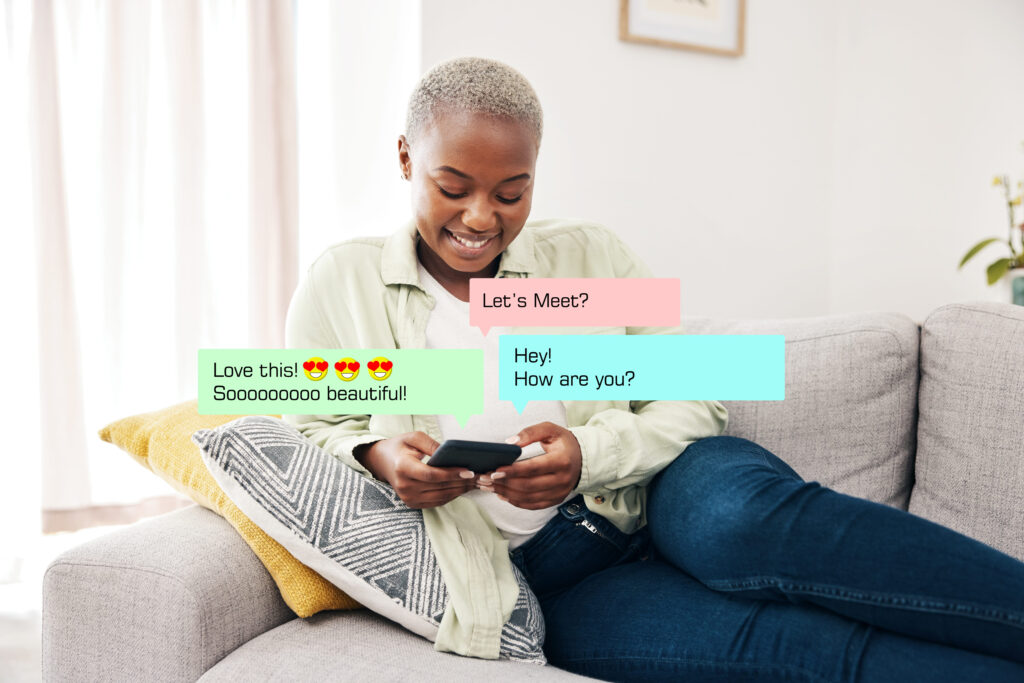
Texting first is not the problem. Showing interest is not the problem either. The problem starts when texting becomes a flood before the connection has earned that much access. Multiple follow-ups, instant replies every time, long emotional messages after one date, and checking in before he has had room to respond can shift the energy from charming to clingy.
Men often read this as desperation because it can feel like the relationship is being forced into existence through constant digital contact. Attraction needs space to breathe. If every quiet gap gets filled with another message, the mystery disappears, and the interaction starts to feel like a responsibility. We can show interest without treating a slow reply like a crisis.
A stronger move is to match the rhythm instead of trying to control it. Send a thoughtful message, then let the conversation return naturally. If he is interested, he will help carry out the exchange. If he does not, over-texting will not create attraction; it will only reveal the imbalance faster.
Laughing at Everything He Says
A genuine laugh can be magnetic. It tells someone we enjoy their humor, feel relaxed around them, and want the moment to continue. But laughing at every sentence, every weak joke, and every ordinary comment can start to look less like attraction and more like performance. The more exaggerated it becomes, the less believable it feels.
Men may see this as desperate because forced laughter can signal approval-seeking. It suggests that the goal is not shared humor but winning his attention at any cost. That can make the interaction feel uneven, especially if he senses that she is laughing to flatter him rather than because she truly finds him funny.
Authentic flirting does not require constant applause. A real smile, a sharp comeback, or a playful tease often lands better than nonstop giggling. Confidence allows silence, disagreement, and natural reactions. That balance makes chemistry feel more adult and less rehearsed.
Overusing Physical Touch Too Soon

Light touch can be a powerful flirting signal. A brief touch on the arm, leaning in during conversation, or playful closeness can create warmth when the interest is mutual. The problem comes when touch becomes too frequent, too early, or too clearly designed to force intimacy. What feels bold to one person may feel uncomfortable to another.
Men may read excessive touching as desperate because it can seem like a shortcut around emotional chemistry. Instead of letting attraction develop through conversation, eye contact, humor, and shared energy, the physical contact tries to jump ahead. That can feel awkward, especially when the relationship has not yet reached that level of comfort.
The better approach is to watch reciprocity. If he leans in, relaxes, smiles, and mirrors the energy, the touch may feel welcome. If he pulls back, stiffens, or stops engaging, the signal is clear. Confident flirting respects space because real attraction does not need to corner anyone.
Sharing Deep Personal Pain Too Early

Vulnerability can build intimacy, but timing matters. Opening up about past heartbreak, family drama, betrayal, trauma, or deep insecurity during the first few conversations can overwhelm someone who is still trying to understand the basics. Early dating is not a therapy session, and instant emotional exposure can create pressure instead of closeness.
Research on self-disclosure has long shown that personal sharing plays a major role in relationship development, but too much disclosure too early can work against liking and comfort. The Cambridge Handbook of Personal Relationships identifies self-disclosure as a core relationship process, which makes pacing especially important in the early stages.
Men may read this as desperate because oversharing can feel like an attempt to speed up intimacy. It may also make him feel responsible for comforting, rescuing, or proving he is different before he has chosen that emotional role. A more attractive form of vulnerability reveals depth gradually. It gives him enough to know there is substance, without asking him to carry the whole story too soon.
Complimenting Him Like He Is a Prize
Compliments can absolutely work. Men often receive fewer direct compliments than women, so a sincere one can stand out. The issue begins when compliments become excessive, worshipful, or disconnected from real knowledge of the person. Telling him he is perfect, rare, different from every other man, or exactly what she has been waiting for after limited interaction, can feel intense rather than flattering.
Men may read this as desperation because overpraise can feel like projection. It may seem as though she is responding to the idea of him rather than the actual person in front of her. That can make him question whether the attraction is real or whether he is simply filling a vacancy in her life.
A better compliment is specific and grounded. “I like how calm you are under pressure” feels more believable than “You are literally the perfect man.” One shows attention. The other can sound like fantasy. Real attraction grows when praise feels earned, not poured over someone to secure their approval.
Acting Too Available All the Time
Availability is healthy when two people are building something mutual. The problem starts when someone cancels plans, rearranges routines, replies instantly, drops personal priorities, and stays ready for last-minute attention every time he appears. That kind of constant availability can look romantic in the imagination, but it often reads differently in real life.
Men may see it as desperate because it suggests that her own life has been put on hold for him. Instead of feeling chosen by a woman with standards, he may feel like he has become the center of her schedule before earning that position. Attraction often grows when both people sense that the other has a full, grounded life.
We do not create value by pretending to be busy, but we do protect value by staying connected to our own routine. Keep the gym session. See friends. Finish the work. Rest when needed. A woman who has her own life communicates something powerful without saying it directly: access to her time matters.
Trying to Make Him Jealous on Purpose
Some women flirt with other men, mention exes, post suggestive content, or talk about who is chasing them because they think jealousy will increase desire. It may get attention, but attention is not the same as respect. Jealousy games can create short-term tension, but they often weaken trust before a relationship even begins.
Men may read this as desperate because it signals insecurity underneath the performance. Instead of showing confidence, it suggests that she needs competition to prove her worth. For emotionally mature men, that can feel exhausting. It turns flirting into a test instead of a connection.
A stronger signal is quite desirable. She does not need to announce every option. She does not need to manufacture panic. Her standards, boundaries, and calm self-possession already communicate that she has choices. The most attractive people do not beg to be valued; they behave as if they already understand their value.
Pushing Relationship Talk Before Trust Exists

There is nothing wrong with wanting commitment. Clear intentions can prevent wasted time. The issue begins when relationship language appears before the bond has enough foundation. Talking about future vacations, meeting family, becoming exclusive, or “where this is going” too early can make the other person feel rushed.
Men may read this as desperate because it can seem as if she is more attached to the role than to the person. He may wonder whether she wants him specifically or simply wants a boyfriend, husband, provider, or emotional anchor. In a dating culture where many people already feel overwhelmed by choice, pressure can make someone retreat instead of lean in. Pew Research Center found that 37% of U.S. adults think dating apps give people too many options, which helps explain why early pressure can feel even heavier now.
The better move is to discuss values without forcing a timeline. Saying “I date with intention” feels grounded. Saying “I can already see us together long-term” after one or two meetings can feel premature. Confidence names standards clearly, then allows behavior to reveal compatibility.