The modern workforce is facing a crisis that many aren’t fully prepared for. Careers that once promised stability are now volatile, and industries that were considered “recession-proof” are being disrupted by technology, AI, and automation. Millions of workers are seeing job roles disappear, others are forced to retrain mid-career, and some are left scrambling to maintain income streams they once took for granted. While change is inevitable, the speed at which jobs are being replaced is alarming, and those who wait too long to adapt may find themselves left behind.
This article highlights 10 ways careers are collapsing and jobs are dying, showing the realities most people ignore. From automation to market shifts, we’ll illustrate how these disruptions affect workers and provide insight into what proactive strategies are essential for survival. This is not a personal story; it’s a broad view of the current labor landscape, emphasizing the urgent need to rethink how we work, what we learn, and how we adapt to a rapidly changing world.
Automation Is Replacing Routine Jobs.
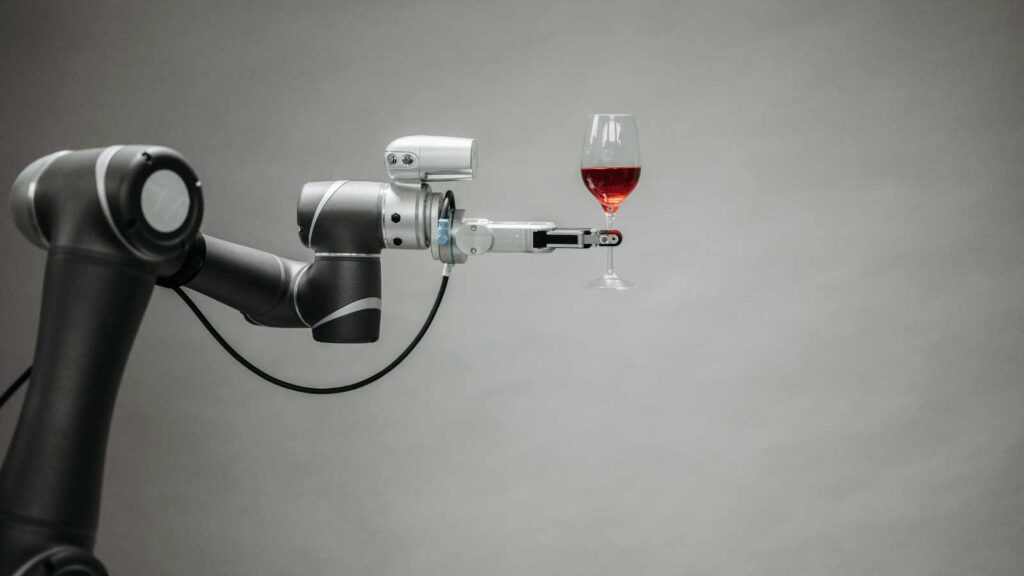
Machines, AI systems, and advanced software are increasingly taking care of routine, repetitive tasks. The first to be affected are roles in manufacturing, data entry, and administrative and office support, where companies are investing in automation to reduce labor costs and boost efficiency. The jobs in these roles frequently come with unexpected unemployment, sometimes without alternatives, and require workers to be retrained to remain competitive. An example of this is the surge of automation in industries, which is outpacing workers’ ability to keep up, thus threatening the very existence of many jobs.
AI and Humans are No Match in Skilled Jobs.
AI is no longer meant to take on repetitive tasks; it can also be used for complex, decision-driven roles. AI can generate code, draft legal documents, analyze massive amounts of data, and even create content, sometimes faster and more accurately than humans can. Especially problematic for mid-level analysts, such as in finance, law, or marketing, where analytical or repetitive cognitive activities are prevalent. AI is taking over tasks once considered inaccessible, and workers who don’t specialize or acquire people-centric skills risk becoming obsolete.
Businesses are rapidly shrinking.
Even the safer industries are shrinking due to globalization, technological disruption, and cost-cutting measures. The job losses have accelerated for workers in tech, retail, and corporate administration roles, even at high-growth firms. The loss of these jobs can happen unexpectedly, with little warning and few safety nets, or even with poor retraining opportunities. No longer reserved for shaky companies, corporate downsizing is a systemic trend that reminds us of the fragility of work in today’s world.
Despite the trend toward gig-economy jobs, they cannot replace full-time careers.
For many, gig or freelance work serves as a safety net against job loss; however, these types of gigs don’t provide the stability, benefits, or potential for growth that a long-term job does. In addition to platforms like Uber, Fiverr, and TaskRabbit, there are income streams that offer little security and predictability. Gig work might not be enough to replace the benefits and career trajectory of conventional employment for workers who do nothing but gig work. The gig economy is only a short-term fix, not a sustainable one, and can cause new financial harm to workers.
Technological skills are increasingly required.
In today’s job market, digital and technological skills are required, not optional. Those who can’t use cutting-edge software, AI tools, or analytics platforms are being left behind. From healthcare to marketing, and even in creative industries, where technology aids production, this skills gap is present across a variety of industries. If employees do not continually upskill, they risk becoming irrelevant in today’s fast-changing business world.
International competition is taking away jobs.
Globalization has linked up labor markets, enabling firms to move jobs to other locations with different skill sets or costs. This creates workforce strain on domestic employees, especially in customer service, IT, and manufacturing, where overseas employees are readily available. What used to be a solid job is now at risk due to global competition. Those workers who fail to adapt by providing unique skills, specialization, or added value are likely to find themselves in competition with a much larger, and in some cases cheaper, labor force.
The old-style degrees are becoming worthless!

Times have changed, and higher education is no longer a sure bet for a steady job. Most traditional degrees do not equip students with the skills and experience required by the changing job market, and employers are increasingly looking for these skills and experience rather than diplomas. For many positions in tech, marketing, and business analytics, for example, hands-on proficiency with the tools and platforms is more valuable than formal training. It is important to note that as industries evolve, workers with only degrees and no skills may face challenges finding jobs in the future.
Loyalty among employees is no longer rewarded.
Company loyalty is no longer a priority in the job market. More often than not, companies value agility, cost-cutting, and automation and let employees go without considering their loyalty. Loyalty is not always security, as companies are more interested in agility, cost-cutting, and automation. Individuals who have been employed for many years in a specific position might unexpectedly lose their jobs or be shifted to a different role because of company or department restructuring or the introduction of AI. This change highlights the importance of being flexible, engaging in lifelong learning, and proactively managing one’s career.
Economic Shifts Amplify Vulnerability.
Economic uncertainties, high inflation, and recessions magnify the risk of job loss in traditional careers. Certain sectors, such as retail, hospitality, and even professional services, can be especially affected by unexpected downturns, employment changes, and business closures. Laborers who have only one source of income, such as wages or salary, or whose income has not been diversified, or who have no savings, are vulnerable to long-term financial instability. These economic shifts are sped up by the role of AI and automation, making resilience and preparedness more relevant than ever.
A reinvention is necessary after a career collapse to live again.
The truth is that if you want to keep your career, you must reinvent yourself when facing the loss of your job because of an industry change or automation. What workers will need to do is shift into new arenas, master new technologies as they emerge, and acquire new skills untouched by AI such as critical thinking, creativity, and interpersonal intelligence. Reinvention isn’t easy, but it is necessary if you want to continue to have a career in a world where traditional jobs might no longer be available. People who are unable to adapt may find themselves in long-term unemployment, financial strain, and financial hardship.
Conclusion: Adapt or be left behind.
Most people are not in a position to cope with the collapse of careers and the loss of jobs at the pace at which they are occurring. The landscape of the workforce is changing with the advent of AI, automation, and global market pressures, necessitating adaptability, ongoing education, and skill diversification to survive. Those who do not understand these changes could lose not only their livelihood but also their sense of self, security, and stability. In this landscape, the key to success is to look ahead for change, to upskill well, and to seek out new career opportunities that draw on uniquely human capabilities that machines can’t yet match. The only way to survive in this rapidly changing world is to move.