Fashion is more than clothing; it is a declaration, a visual language that communicates confidence, personality, and taste before a word is uttered. Yet, countless women inadvertently undermine their own style, sabotaging carefully chosen wardrobes with subtle, often overlooked mistakes. Exceptional style doesn’t rely on trend chasing, expensive pieces, or crowded closets; it relies on precision, proportion, and intentionality. The difference between looking put-together and appearing sloppy often lies in the details, and correcting a handful of persistent mistakes can dramatically elevate any ensemble.
Even the most expensive or trendy items lose impact if the fundamentals are ignored. Across decades of observing wardrobes, six recurring fashion mistakes consistently erode style. These errors aren’t about budgets or designer labels; they’re about choices, balance, proportion, and conscious presentation. Correcting them transforms how clothes look on the body, how outfits feel, and most importantly, how a woman feels in her clothes.
Scrolling down are 6 biggest fashion mistakes women make that ruin their style:
Ignoring Fit: The Foundational Style Error
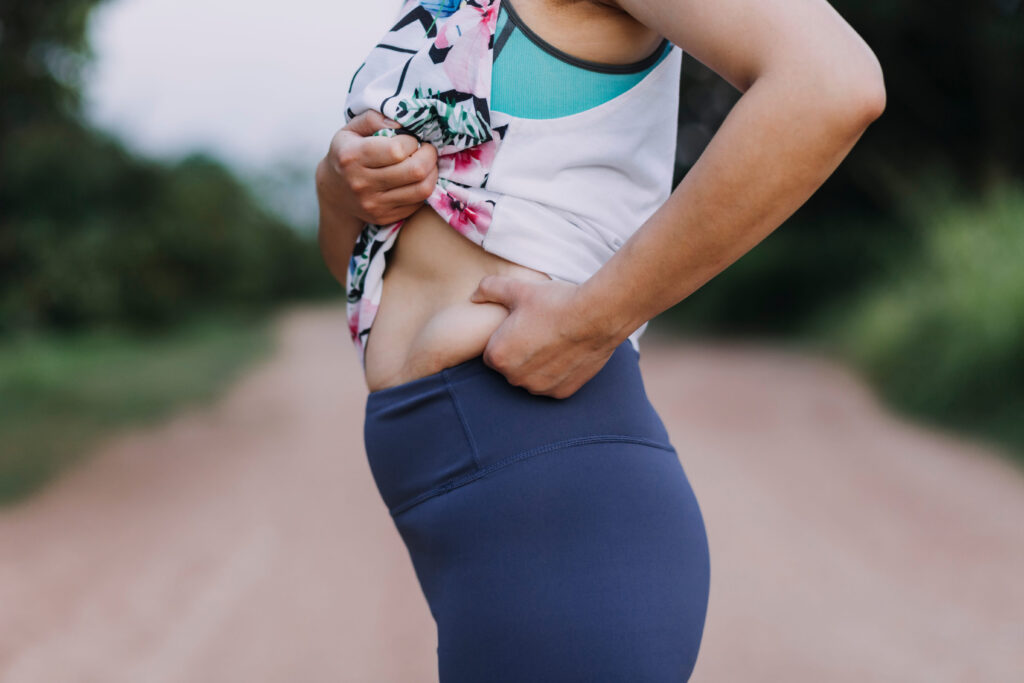
Nothing undermines style faster than poorly fitted clothing. Clothes that are too tight, too loose, or improperly proportioned obscure your natural shape and create visual tension. Fit isn’t defined by a label size; it’s defined by alignment with your shoulders, waist, and overall silhouette. Even luxury brands lose appeal if the fit is off. Tailoring is often the unsung hero of great style. It adjusts clothing so it moves with your body rather than against it.
Ill-fitting garments send the wrong message. Tight clothing can exaggerate flaws and make you look desperate, while oversized pieces without structure can hide your body entirely. Proper fit enhances posture, creates visual flow, and boosts confidence. Hemming, tapering, and adjusting seams are small investments with huge returns, transforming ordinary outfits into polished, intentional statements. Fit is the foundation; without it, no outfit reaches its full potential.
Misjudging Proportions: When Balance Fails Style
Proportion is the invisible architecture of fashion. Even when every piece is beautiful on its own, the incorrect pairing of shapes and volumes makes an outfit feel chaotic or incomplete. Oversized tops with baggy bottoms, or layering multiple long garments without contrast, can visually flatten or distort your silhouette. Style thrives on balance: proportion guides the eye, creates rhythm, and strategically highlights the figure.
A flattering outfit often juxtaposes structure and fluidity. A tailored blazer over a flowing skirt or fitted top with wide-leg pants establishes harmony, allowing one element to dominate while others complement. Neglecting proportion results in a visual tug-of-war in which no single element feels intentional. Understanding how shapes interact ensures every ensemble appears considered rather than accidental.
Chasing Trends Too Aggressively
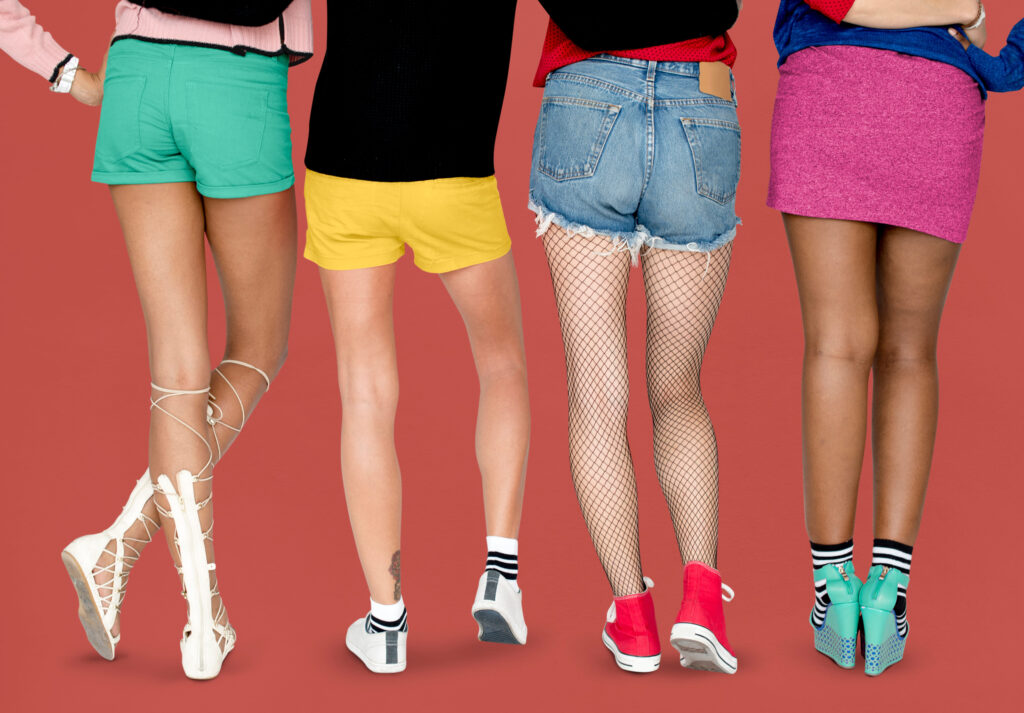
Trends can be exciting, but relying on them too heavily diminishes personal style. Women who chase every fashion fad risk cluttering their wardrobes with inconsistent, short-lived pieces that lack cohesion. Style is not dictated by trends; it’s an expression of taste, refined over time. Trendy items should enhance, not define, an outfit.
Integrating trends in measured doses elevates your wardrobe without overpowering it. Pair a statement sneaker with classic jeans, layer a bold blouse over neutral basics, or let a seasonal accessory punctuate a timeless look. This approach maintains freshness and prevents your style from becoming dated or erratic. Intentional trend adoption keeps your outfits lively without compromising elegance or clarity.
Undervaluing Shoes: The Quiet Style Breaker
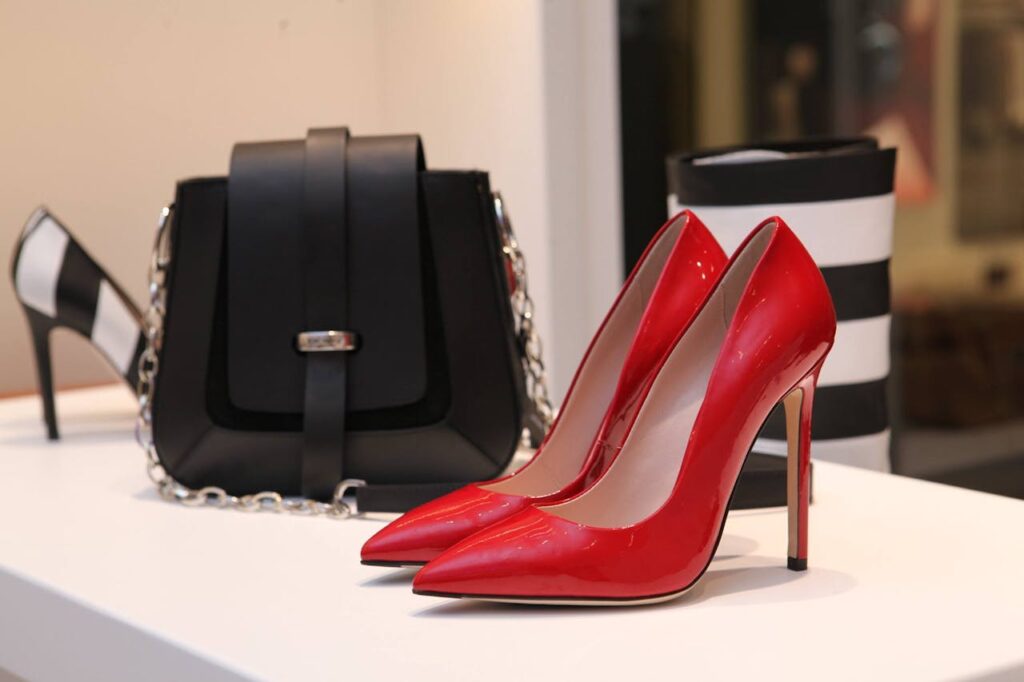
Shoes are far more than a functional necessity; they anchor every outfit. Even meticulously styled looks falter with the wrong footwear. Casual sneakers with formal wear, overly bulky boots with delicate outfits, or worn shoes with polished ensembles create dissonance. Shoes carry weight in perception; they can enhance posture, refine proportion, and clarify intention.
High-impact footwear does not have to be extravagant, but it must harmonize with the ensemble. Sleek heels elongate the silhouette, clean sneakers modernize classic basics, and well-maintained flats stabilize delicate looks. Prioritizing footwear ensures every outfit starts from the ground up, supporting rather than sabotaging style. Footwear transforms an ensemble from functional to intentional.
Either Overdoing or Neglecting Accessories
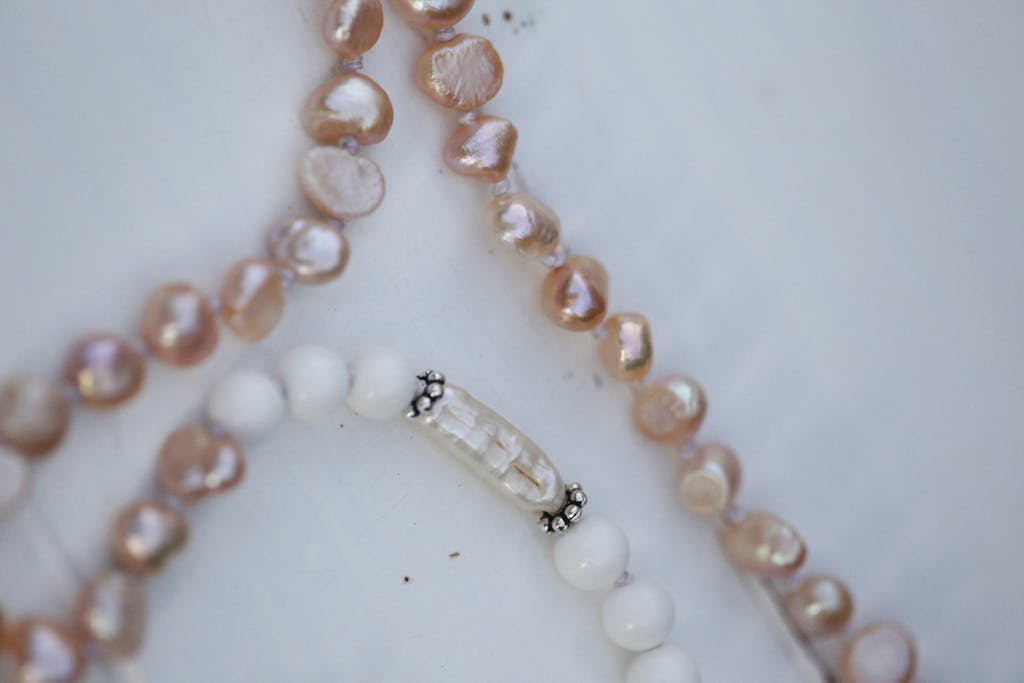
Accessories are punctuation in fashion: the exclamation point, the soft comma, the subtle ellipsis that completes a sentence. Over-accessorizing overwhelms the eye, while ignoring accessories leaves an outfit unfinished. Style requires intentional punctuation that anchors rather than distracts.
A bold necklace paired with minimalist attire, or delicate earrings to soften structured silhouettes, demonstrates command of detail. Even smaller elements, such as belts, watches, and scarves, act as compositional tools. The power of accessories lies in clarity: every piece should serve a purpose, enhancing the narrative rather than competing for attention. Consider each choice deliberate, striking a balance between impact and subtlety.
Not Considering Context: When Style Misses the Setting
Even the most meticulously curated outfit fails if it clashes with context. Overly casual attire at a professional event or excessively formal clothing in a relaxed environment feels out of place. Exceptional style reads the room before the outfit does, aligning clothing with social and professional expectations.
Context-aware dressing enhances credibility and signals social fluency. A boardroom requires polished tailoring; brunch invites effortless chic; evening galas demand elevated sophistication. Understanding context ensures clothing strengthens the moment rather than creating friction, turning style into a subtle language of awareness and confidence.
Conclusion
True style is not accumulation; it is curation. Avoiding these six common mistakes amplifies confidence, coherence, and individuality. Fit, proportion, trend integration, footwear, accessories, and context are the pillars of effortless, lasting style. Attention to these details transforms a wardrobe from functional to powerful, signaling clarity and self-assurance.
Style speaks before words. Every outfit tells a story. Make yours confident, intentional, and unforgettable.