Breakfast is widely celebrated as the most important meal of the day, yet many people unknowingly start their mornings with foods that do more harm than good. The convenience of pre-packaged items, sugary drinks, and ready-made pastries masks their hidden dangers: blood sugar spikes, rapid crashes, inflammation, and energy dips that leave you hungry long before lunchtime. A breakfast that fuels your body and mind combines quality protein, fiber, and healthy fats, stabilizing energy, mood, and appetite. Choosing poorly can make you feel sluggish, foggy, or constantly crave snacks, no matter how nutritious the rest of your meals are.
Understanding the six foods to avoid for breakfast is crucial for anyone serious about sustained energy and long-term health. Many of these foods have an innocent reputation, but routine consumption compromises metabolism, hormonal balance, and even digestive health. By swapping these foods for smarter, nutrient-dense alternatives, mornings can become a foundation of strength, focus, and vitality rather than an early sabotage.
Flavored Yogurt

Flavored yogurts are marketed as a quick, healthy breakfast option packed with probiotics and protein. However, the reality is far less appealing: many store-bought flavored yogurts contain as much sugar as a candy bar, with artificial sweeteners, syrups, and additives hidden in the ingredient list. Sugar-laden yogurt spikes blood glucose levels, leading to energy crashes and intense cravings within hours. Over time, habitual consumption may even contribute to insulin resistance and weight gain.
Better Option: Choose plain Greek yogurt, which provides high protein and beneficial probiotics without unnecessary sugar. Enhance it naturally with fresh berries, sliced banana, or a sprinkle of nuts and seeds. This combination balances carbohydrates, fiber, and protein, keeping you fuller for longer and supporting steady energy throughout the morning.
Store-Bought Muffins

Even bran or fruit muffins from grocery stores are often more dessert than breakfast. They are typically loaded with refined flour, sugar, and unhealthy fats, delivering minimal fiber and protein. This creates an early morning sugar spike that leaves you feeling hungry soon after eating. Regularly consuming muffins as a breakfast staple contributes to mid-morning fatigue, irritability, and overeating later in the day.
Better Option: Bake your own muffins with whole-grain flour, natural sweeteners like mashed banana or applesauce, and protein sources like nuts, Greek yogurt, or eggs. Homemade muffins allow for a nutrient-dense, balanced breakfast that fuels your day rather than sabotages it.
Bottled Smoothies and Fruit Juices

Pre-packaged smoothies and fruit juices are convenient, but they are often sugar bombs without the fiber present in whole fruits. Without fiber to slow digestion, these drinks rapidly raise blood sugar, followed by a crash that triggers hunger and cravings. Many commercial juices also lack protein and healthy fats, making them a poor choice for sustained energy.
Better Option: Blend your own smoothie with whole fruits, leafy greens, a protein source (Greek yogurt or protein powder), and healthy fats like avocado, chia seeds, or nut butter. Homemade smoothies preserve fiber, stabilize blood sugar, and provide a satiating, nutrient-rich start to the day.
Donuts and Sugary Pastries

Donuts, cinnamon rolls, and croissants are classic breakfast indulgences, but they are extremely high in sugar and refined carbs while low in protein and fiber. They produce a temporary energy spike followed by a rapid drop, leaving you lethargic, unfocused, and craving more sugar. Regular consumption is linked to increased risk of weight gain, type 2 diabetes, and metabolic syndrome.
Better Option: If you crave something sweet, pair fruit with a protein source like cottage cheese or nuts or enjoy a slice of whole-grain toast with natural nut butter. This strategy delivers sweetness alongside sustaining nutrients, reducing blood sugar fluctuations, and keeping you satisfied.
Store-Bought Granola and Granola Bars
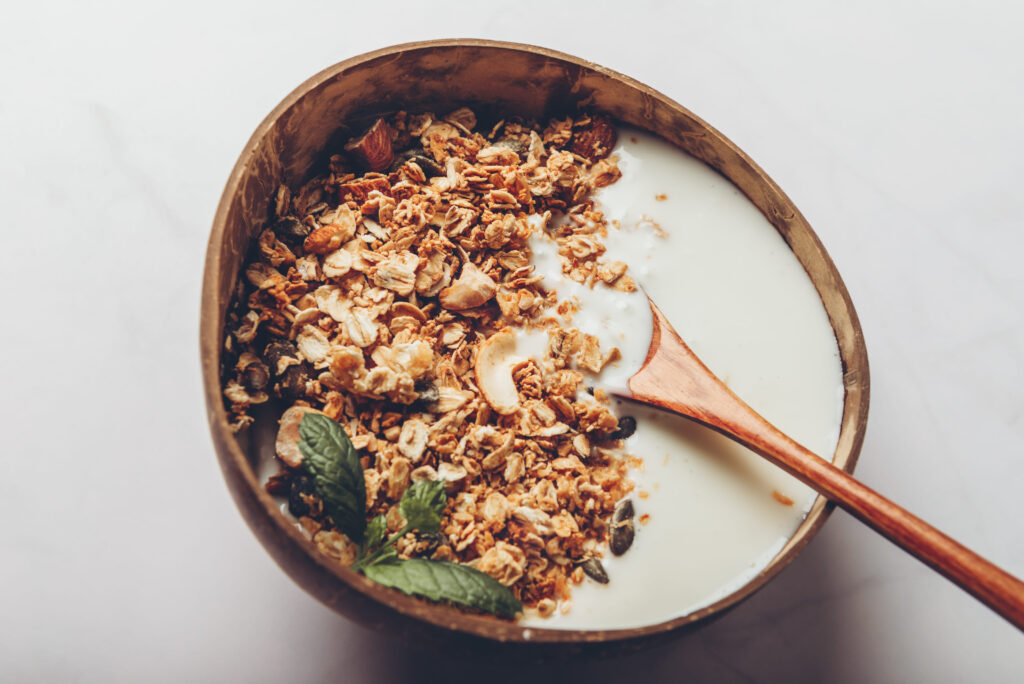
Granola and granola bars are often marketed as wholesome and high-energy, but many contain excessive amounts of sugar, oils, and refined grains. Eating them without complementary protein or healthy fats turns them into sugar-dense snacks rather than balanced meals. Daily reliance on these processed options can destabilize energy and fuel cravings for additional snacks or sweets mid-morning.
Better Option: Make your own granola using rolled oats, nuts, seeds, and a small amount of natural sweetener. Pair it with milk or yogurt to add protein and healthy fats. Alternatively, choose high-protein, low-sugar bars with real, whole-food ingredients to support fullness and prevent energy dips.
Bacon and Processed Meats

Bacon, sausages, and processed breakfast meats may taste indulgent, but they are loaded with sodium, preservatives, and saturated fats. They can trigger inflammation, raise cholesterol levels, and burden the digestive system. Consuming them routinely for breakfast increases the risk of cardiovascular issues and other long-term health consequences, even when paired with otherwise healthy foods.
Better Option: Opt for lean protein alternatives such as turkey bacon, eggs, smoked salmon, or plant-based proteins like tofu or beans. These options provide lasting energy and satiety without the metabolic drawbacks of processed meats.
Smart Breakfast Framework: Foods That Fuel You
A nutritious breakfast should combine:
- Protein for muscle maintenance and appetite regulation
- Fiber slows digestion and supports gut health.
- Healthy fats for prolonged energy and metabolic support
Examples include:
- Whole-grain toast with avocado and poached eggs
- Greek yogurt with berries and a sprinkle of nuts
- Overnight oats with chia seeds and almond butter
- Veggie omelets with a side of whole grains
- Homemade fruit and vegetable smoothies with protein powder
Tips for Breakfast Success
- Pair carbohydrates with protein and healthy fats to avoid sugar crashes.
- Avoid overly processed or pre-packaged foods as daily staples.
- Hydrate first thing in the morning to support digestion and metabolic function.
- Listen to hunger cues, a delayed breakfast can still be balanced and nutrient-dense.
- Plan and prep ahead to ensure a convenient yet wholesome breakfast option is always available.
Choosing the right breakfast is more than a routine — it’s an investment in energy, focus, and long-term health. Eliminating these six foods and opting for nutrient-rich alternatives can transform your mornings, reduce cravings, stabilize blood sugar, and set the tone for a productive, energized day.
Conclusion
Breakfast should fuel, not sabotage. Skip sugary, processed, and low-nutrient foods and focus on high-protein, high-fiber, balanced meals for mornings that energize and sustain you.