When it comes to gardening, many of us tend to gravitate toward popular flowers like roses and sunflowers. However, there are some less flashy flowers that can be surprisingly easy to grow, yet they don’t get the attention they deserve. While they may offer low-maintenance options, there are a few drawbacks to consider before you add these flowers to your garden. Here are five underrated, unpopular flowers that might be easier to grow than you think, though they may not always be the best fit for every garden.
Cornflower (Bachelor’s Button)
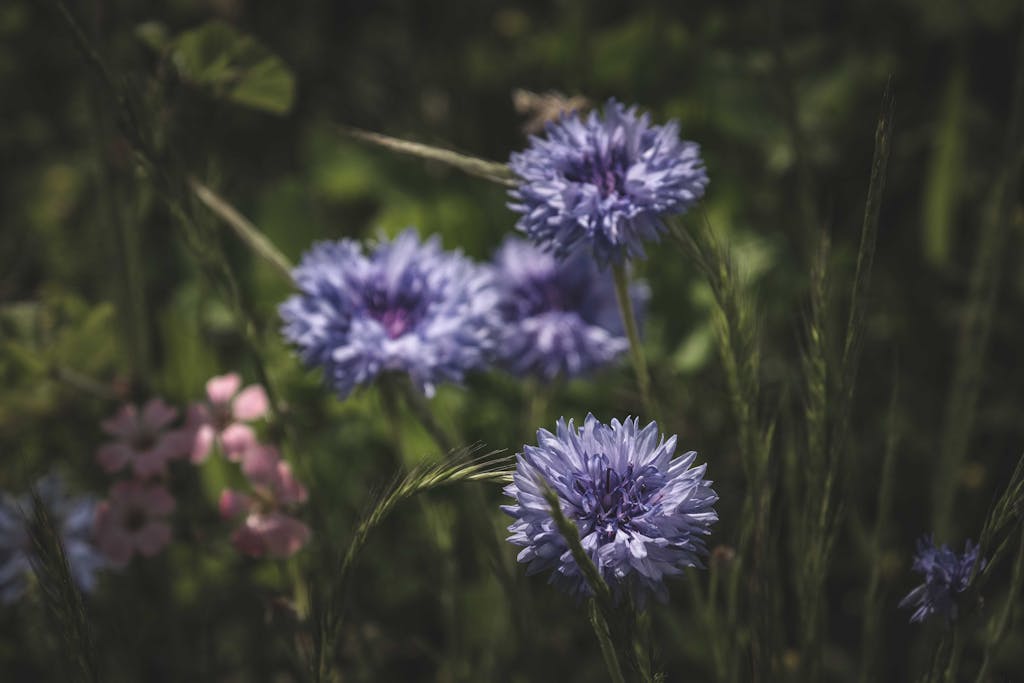
Cornflowers, also known as Bachelor’s Buttons, are incredibly easy to grow, even for beginners. These cheerful blue blooms can brighten up any garden, but their reputation as a hardy flower may be misleading. While they thrive in well-drained soil and full sun, they can become quite invasive in certain conditions. Cornflowers spread quickly, crowding out neighboring plants if left unchecked, so regular thinning is required.
Although these flowers are great for attracting pollinators like bees and butterflies, their aggressive growth can quickly lead to overcrowding in your garden beds. If you’re not diligent about controlling their spread, they may take over, reducing the beauty and diversity of your garden. So, while they are easy to grow, their tendency to multiply rapidly could become a hassle.
Forget-Me-Nots
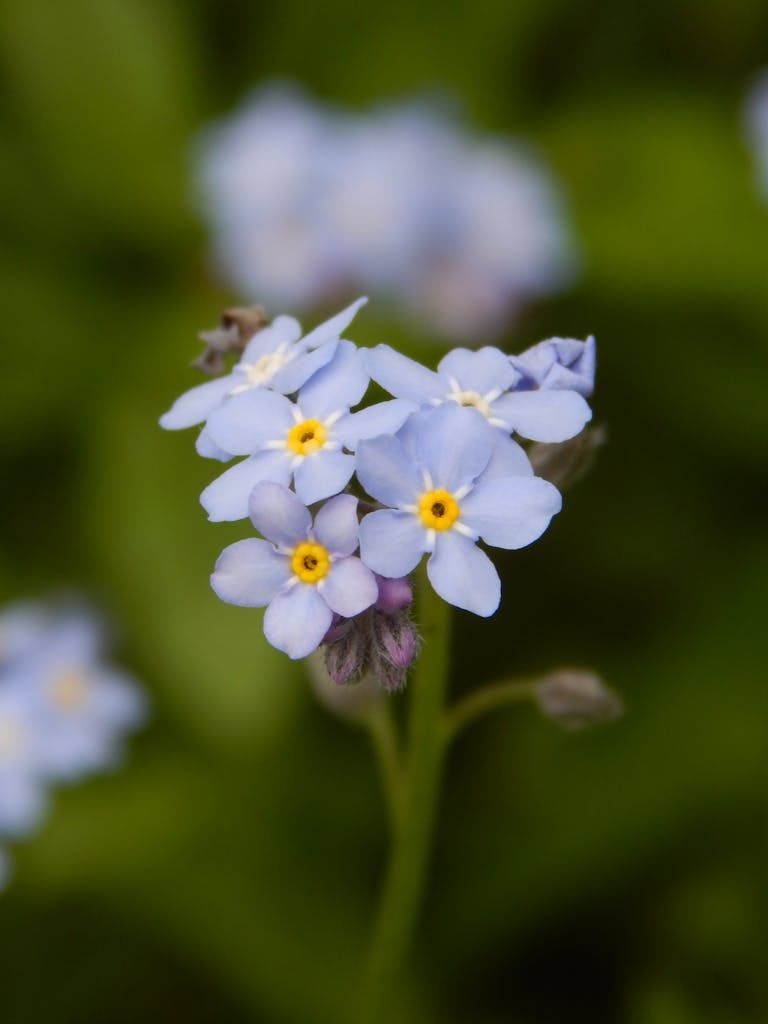
Forget-me-nots are often praised for their delicate blue flowers and ability to thrive in shady areas. While these flowers are low-maintenance in terms of care and watering, they can become a little too enthusiastic in their growth. Forget-me-nots can reseed prolifically, which means they may quickly pop up in places you didn’t intend to plant them, creating an unwelcome mess. If you’re not careful, they can easily become invasive, spreading across your entire garden without much effort on your part.
These flowers may also become leggy if they don’t receive adequate sunlight, leading to weak, unattractive growth. Although their ability to tolerate diverse soil types and growing conditions may make them seem like a perfect choice for low-maintenance gardeners, their tendency to overrun spaces could make them frustrating to manage long-term.
Candytuft (Iberis)
Candytuft is an easy-to-grow flower that produces clusters of small, white blooms, adding a touch of elegance to your garden. However, while Candytuft is generally easy to grow in full sun and well-drained soil, it can be quite temperamental in some areas. Though it’s known for being relatively drought-tolerant, it can be sensitive to high humidity and excessive watering, which can lead to fungal diseases such as powdery mildew.
Additionally, Candytuft doesn’t have a long blooming season, so it may require extra care to keep it looking its best. If you’re seeking flowers that offer a more consistent, longer-lasting display of color, Candytuft might not be the most rewarding option. It’s a beautiful addition, but only for a brief period each year, and its high-maintenance needs might not be ideal for everyone.
Alyssum
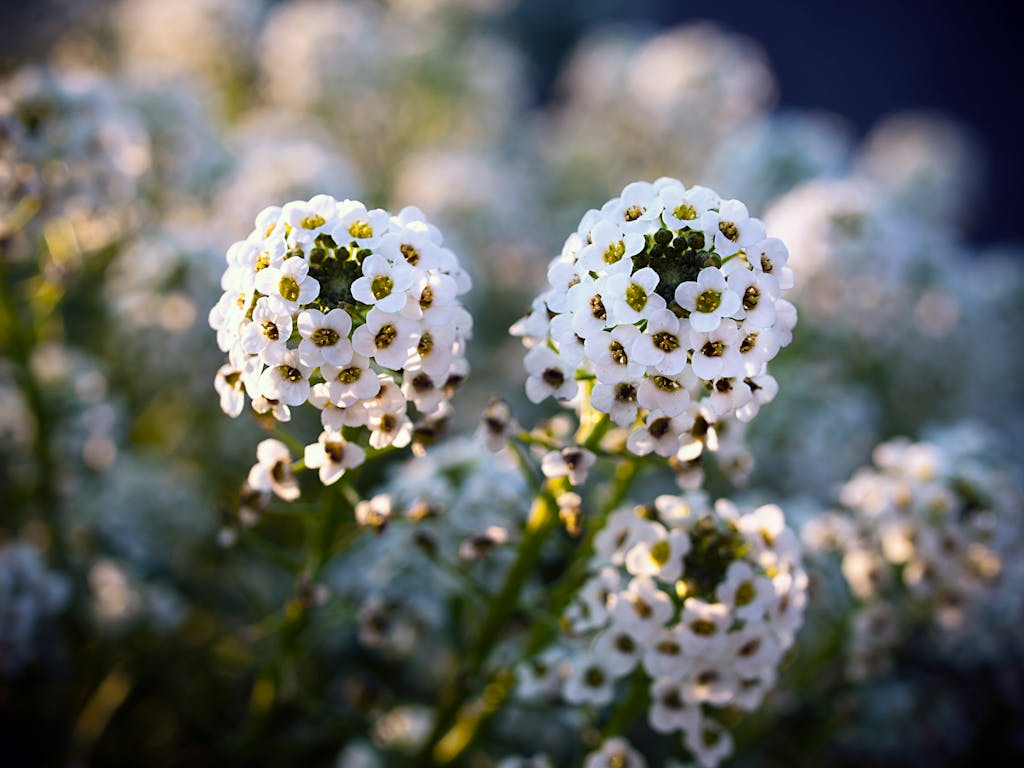
Alyssum is a lovely groundcover that produces a blanket of tiny, fragrant white, pink, or purple flowers, and it’s often chosen for its ease of growth. While it can thrive in poor soil and full sun, Alyssum tends to attract pests such as aphids and whiteflies. These insects can quickly infest the plant, and without regular attention, they can ruin the plant’s appearance.
Although Alyssum is known for being easy to grow in the right conditions, it does need regular deadheading to prevent it from becoming leggy and unattractive. If you’re looking for a flower that requires less maintenance and pest management, Alyssum may not be the best choice. The constant upkeep and pest issues could make this otherwise simple flower a bit too much work for gardeners who prefer a no-fuss approach.
Sweet William (Dianthus barbatus)
Sweet William, also known as Dianthus, is an old-fashioned flower that can add some color and fragrance to your garden. It thrives in well-drained soil and full sun, making it relatively easy to grow. However, Sweet William has a short lifespan, typically living for just a couple of years. While it will reseed itself, it may not be as consistent or reliable year after year.
The plant also has a reputation for being susceptible to fungal diseases and root rot, particularly in wet, poorly-drained soils. If you’re not careful about providing it with the right conditions, Sweet William can quickly lose its vibrancy and fail to thrive. Its susceptibility to disease, combined with its short lifespan, may make it a less ideal option for those seeking long-term garden stability.
Conclusion
While these flowers are often praised for their ease of growth, they come with challenges that may make them less appealing to some gardeners. While they may be easy to plant and maintain initially, their tendency to become invasive, attract pests, or require frequent care could detract from their overall value in your garden. If you want flowers that are truly low-maintenance and not prone to these issues, you might want to consider other options.