We like to believe that our preferences are unique and carefully cultivated. After all, who knows us better than ourselves? But what if I told you that many of the choices you make, the foods you crave, the songs you love, or the people you find attractive, are influenced by factors you aren’t even aware of?
Science has uncovered fascinating insights into the hidden forces shaping our tastes, and they’re far stranger than you might expect.
Our Brains Can Be Fooled into Thinking We Chose What We Didn’t

One of the most unsettling discoveries in cognitive science is choice blindness. In experiments, participants pick one photo and then, through a subtle sleight of hand, are shown another.
Most don’t notice the switch and confidently explain why they chose something they never actually picked. That means our introspection about our own preferences is far less reliable than we assume.
Seeing Others Choose Can Change Our Own Preferences
Social influences play a powerful role, too. As humans, we’re driven by social instincts.
Research shows we predict, adapt to, and even adopt the preferences of those around us, especially friends, allies, or role models. While it isn’t always peer pressure at work, this skill helps societies thrive and can be observed developing early in childhood.
Familiarity Shapes Preference More Than You Realize
Decades of research into the mere‑exposure effect show that one of the strongest drivers of liking is simple familiarity.
The more we encounter something, a song, a person, even a brand, the more we tend to prefer it. This isn’t just a habit; it’s a fundamental neural response pattern that appears across age groups and cultures.
What You Find Attractive Can Depend on Group Context
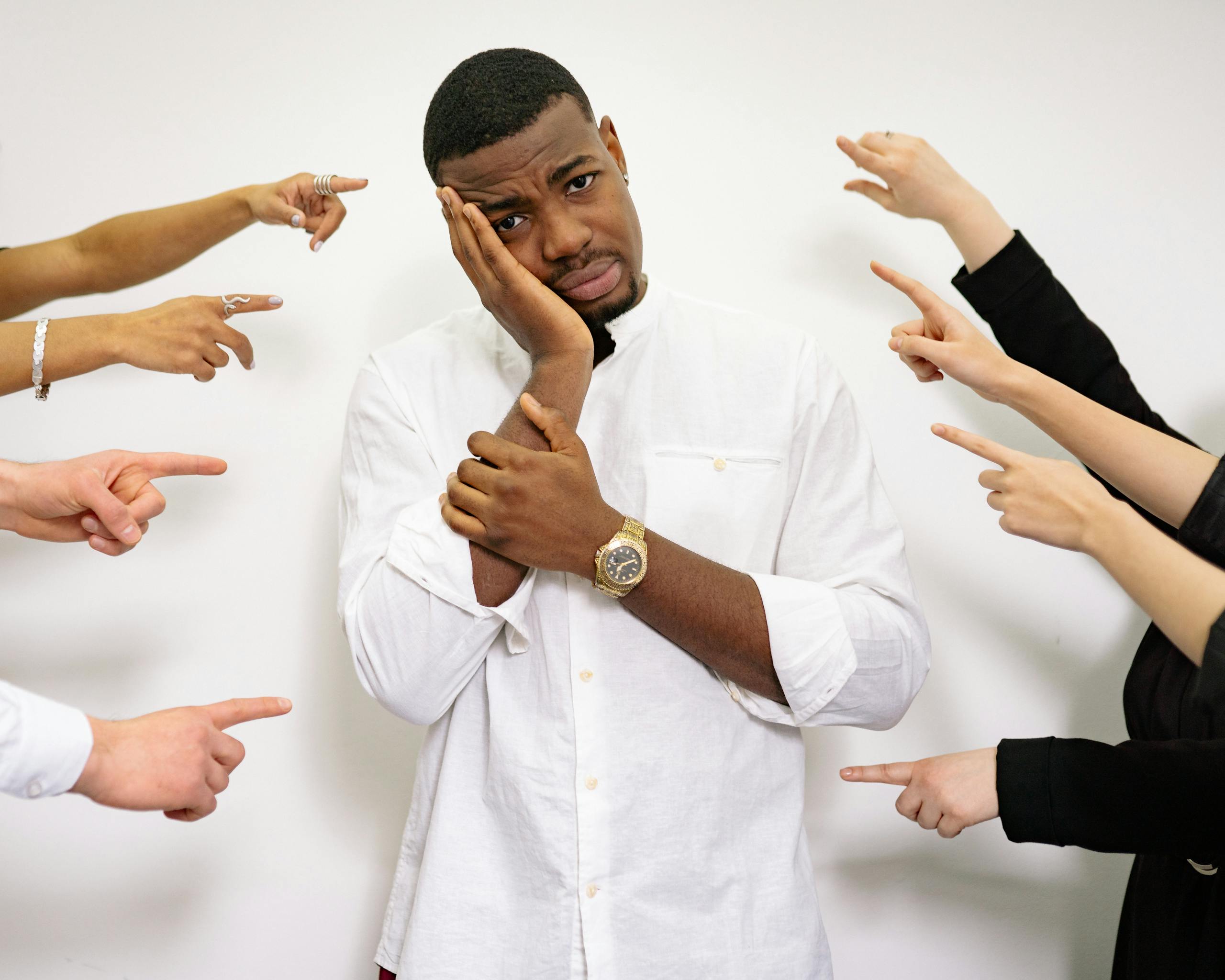
Group scenarios add another surprising twist. A quirky bias known as the cheerleader effect changes perceptions. Groups seem to transform how we view individuals—people appear more attractive when surrounded by others.
Our brains average what they see across faces, shifting our ratings of a single person’s attractiveness. This subtle recalculation highlights how social context shapes our preferences.
Preferences Are Not Always Rational or Consistent
Behavioral economists have documented phenomena such as hyperbolic discounting, in which people’s choices shift over time.
For example, a person might prefer $50 today over $100 next year — yet prefer $100 in six years over $50 in five, even though the choice structure is mathematically identical. These preference reversals reveal that human decision‑making often defies classic rational models.
Even Numbers and Letters Can Feel “Yours.”
Psychologists studying implicit preferences have found that people often favor numbers and letters related to themselves — such as those in their birthday or name, even when they’re not consciously aware of this link. This subtle bias appears across cultures, suggesting that self‑association leaks into seemingly neutral choices.
Explanations With “Science Words” Are Surprisingly More Appealing

Surprisingly, our preferences can also be influenced by language. Studies show that when people hear explanations containing neuroscience terms, even when those terms are irrelevant, they rate the explanation as more satisfying or “true.”
This reveals a preference for reductive, scientific‑sounding explanations, not necessarily because they’re more accurate, but because they feel authoritative.
Our Mood, Weather, and Context Affect What We Prefer
Research has found that external conditions — such as cold weather — can push us toward social and emotionally warm experiences, such as preferring romantic movies, hot drinks, or group activities.
These preferences aren’t random; they’re linked to primal drives for social connection and comfort.
We Share Preferences with Animals
Even frogs and other animals show bias in choice behavior, such as preferring an intermediate option among several options, a pattern seen in human consumer decisions as well.
This decoy effect suggests preference formation can be deeply rooted in survival‑based heuristics rather than conscious logic.
You Don’t Fully Know Your Own Preferences

All these findings lead to one humbling truth at the center. People often believe they understand their own preferences, but much of what shapes them happens beneath conscious awareness.
Preferences are molded by biology, society, brain wiring, mood, and context, blending into what feels like personal choice.
Conclusion
Science paints a picture of preferences that is both unsettling and liberating. Rather than rational, fixed truths, our likes are dynamic shaped by instincts, environment, and even chance.
This understanding dismantles the myth of pure choice and suggests we hold the power to question, and maybe influence, what we prefer.