Preparing your home for the end of Daylight Saving Time is one of those seasonal rituals that many people look forward to brushing off. You might think the extra hour of sleep is the most important part of the transition, but this moment also serves as a reminder to handle important chores that keep your home ready for the colder months ahead. While that extra sleep is tempting, skipping these critical tasks can cost you comfort, safety, and even money later in the season.
Here are expanded explanations of ten tasks you should still complete before Daylight Saving Time ends, with insight into why each matters.
Forgetting to Disconnect Exterior Hoses
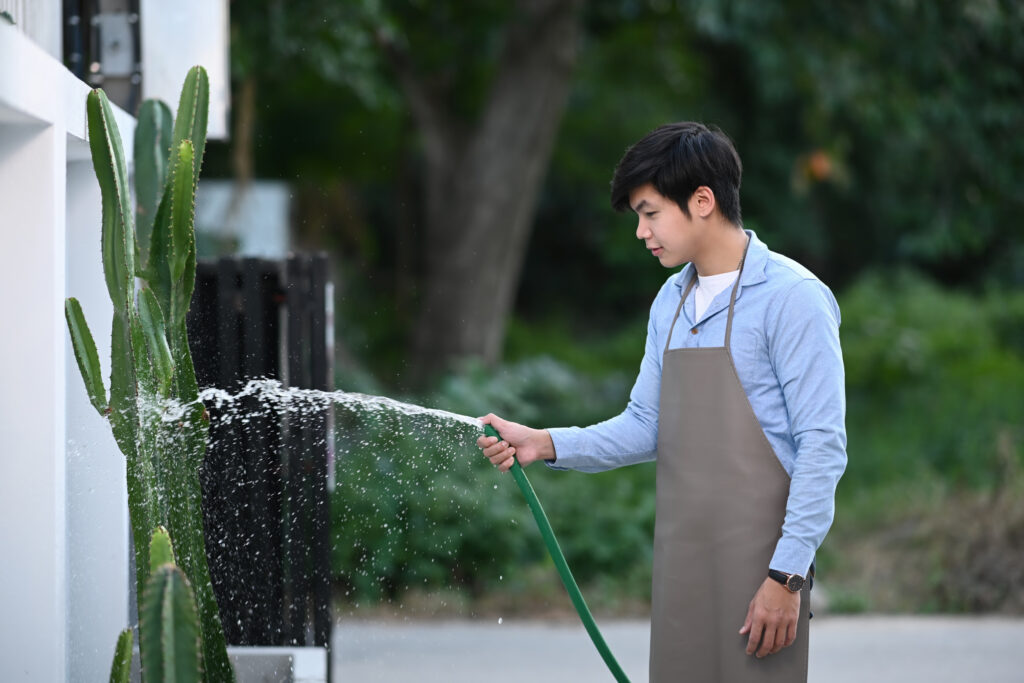
Leaving garden hoses attached to outdoor faucets can trap water between the hose and the internal shutoff valve. When temperatures drop, that water can freeze and expand, leading to burst pipes and expensive repairs. Removing hoses and considering protective covers now prevents this entirely avoidable damage.
Installing Protection on Outdoor Faucets
Bare outdoor faucets exposed to cold air become weak points in your home’s plumbing system. Simple bib covers or insulating wraps help keep frost at bay. This extra layer of protection can guard against freezing and is especially valuable in regions that experience hard freezes.
Ignoring Winter Lighting Needs Inside
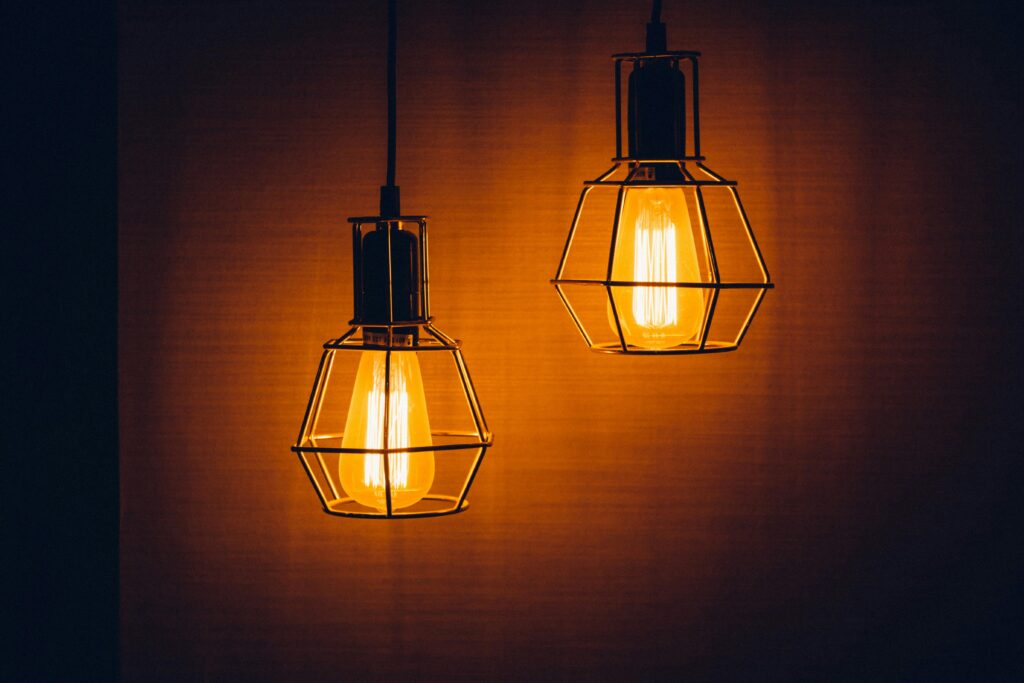
The cozy glow of winter evenings may mean you need more or different lighting inside your home. Evaluating your lighting setup now, adding lamps, brighter bulbs, or updated fixtures creates a functional and pleasant living space as natural light decreases.
Skipping Smoke and Carbon Monoxide Detector Maintenance
Smoke alarms and carbon monoxide detectors are perhaps the most essential safety devices in any home. Changing batteries and checking that these devices are functioning gives you peace of mind. Neglecting this could result in undetected hazards during a season when heating appliances are used more frequently.
Letting Seasonal Gear Stay Out of Place
Pack away summer gear and swap it for autumn and winter essentials. Organizing and storing out-of-season items not only clears clutter but also makes it easier to find winter necessities like boots, coats, and snow gear when you truly need them.
Ignoring Drafts at Doors and Windows
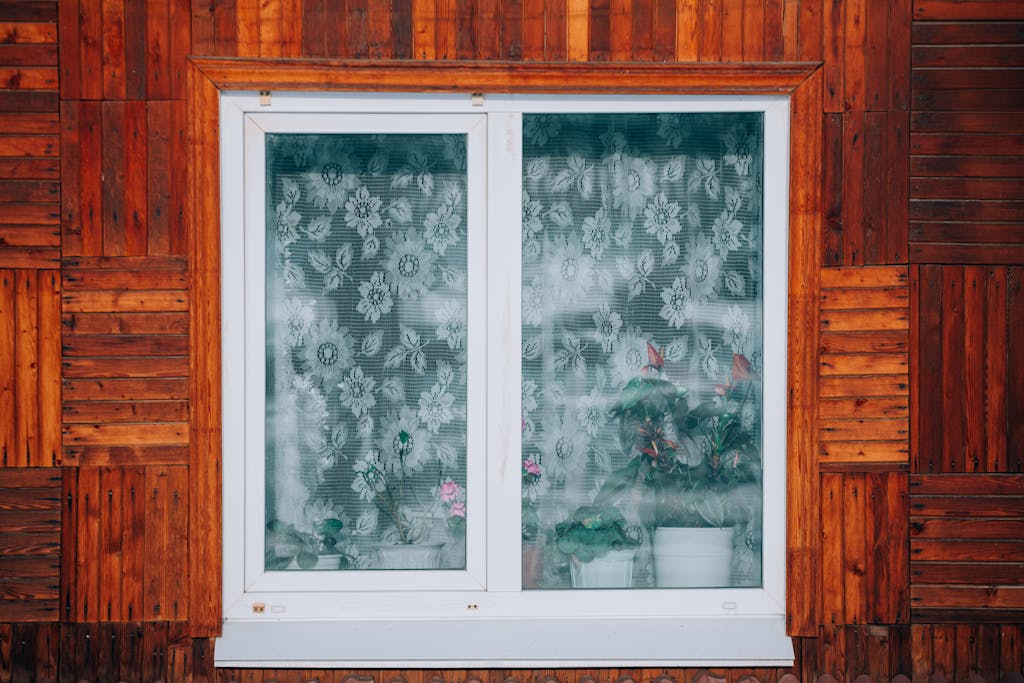
Cool air sneaking through unnoticed gaps can make your home feel colder and push up your energy bills. Inspecting windows and doors, and sealing drafts with weatherstripping or draft stoppers, improves warmth retention and overall comfort.
Skipping Emergency Preparedness Checks
Daylight Saving transitions are great markers for updating emergency supplies. Replace old batteries, ensure flashlights work, restock first aid supplies, and review emergency plans with your household. Being proactive here reduces stress if unexpected winter weather hits.
Forgetting to Reverse Ceiling Fans
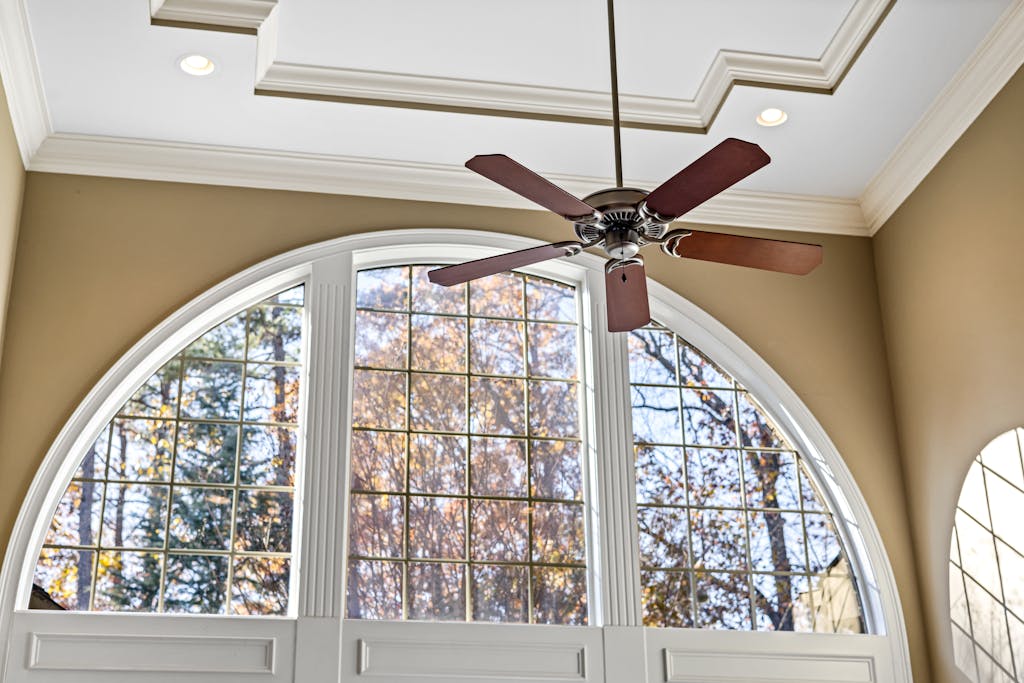
It might seem trivial, but reversing the ceiling fan rotation to clockwise in the colder months can push warm air down from the ceiling and help even out room temperatures. This small step can improve comfort and reduce heating costs if done consistently.
Neglecting Your Smart Lighting Settings
As daylight becomes shorter, outdoor and indoor lighting needs shift. Updating your smart light timers, sensors, and programmed settings ensures your home stays welcoming and safe during darker evenings. Failing to do this can leave entryways dim, lowering visibility and comfort when you return home after sunset.
Avoiding Gutter Cleaning
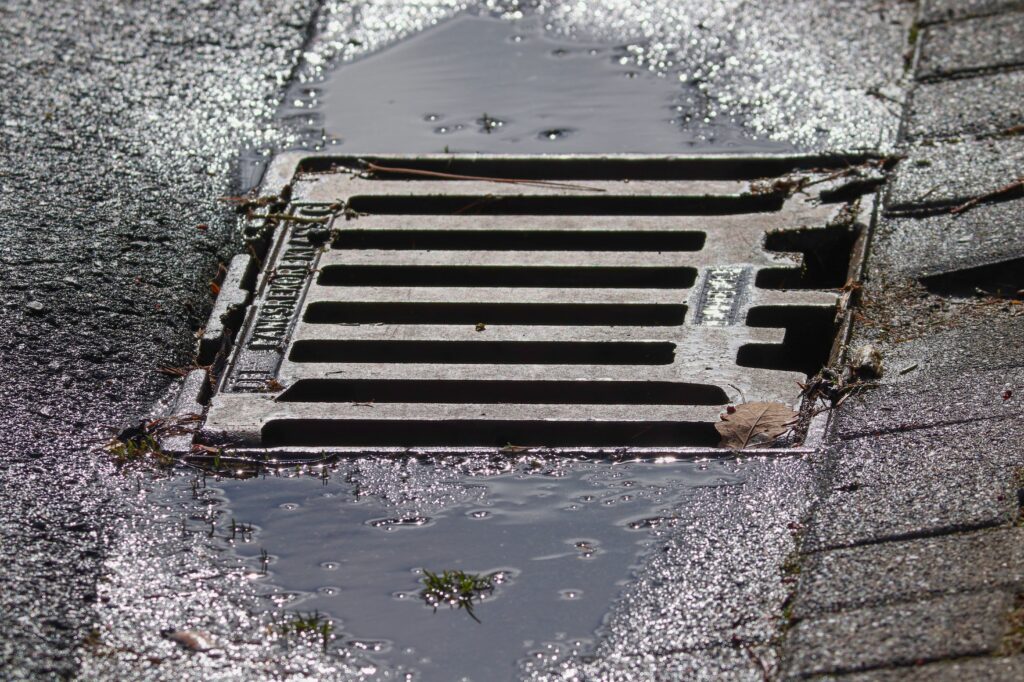
Leaves, twigs, and debris often fill gutters by the time the season changes. Ignoring them can lead to ice dams and water buildup, which can damage roofing and siding. Cleaning gutters now safeguards your home’s exterior and ensures proper drainage when snow and rain arrive.
Conclusion
Completing these tasks before Daylight Saving Time ends isn’t just about ticking boxes. It is about preventing avoidable damage, enhancing comfort, and making your home safer as the seasons change. Taking a bit of time now helps you avoid bigger headaches when winter fully sets in, giving you peace of mind and a more resilient ho