Camping reconnects us with nature, restores weary minds, and creates lifelong memories, but it can also be unforgiving of careless behaviors. A fun weekend under the stars can quickly turn into a dangerous, uncomfortable, or costly experience when basic precautions are ignored. Knowing what not to do is just as important as knowing what to pack.
Below are the most critical camping mistakes people make, explained in detail with urgency and practical wisdom so your next outdoor adventure stays safe, smooth, and truly memorable.
Failing to Research the Campsite Before You Go
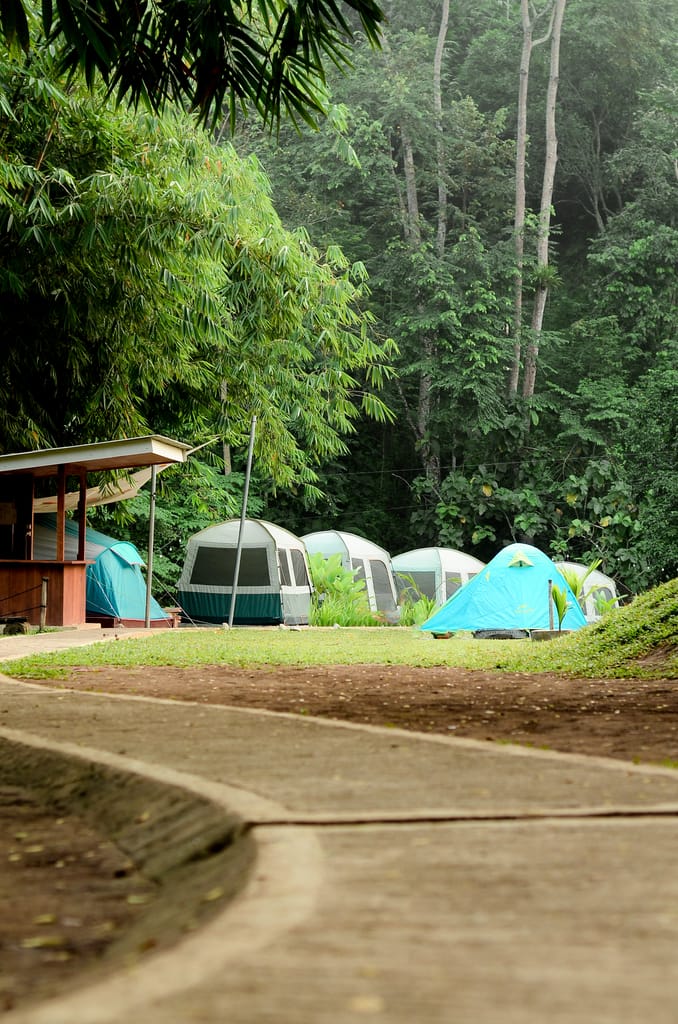
One of the dumbest mistakes you can make is assuming every campsite is the same. Terrain, weather patterns, wildlife, water access, and even rules vary widely from one location to another. Arriving unprepared can lead to shock, inconvenience, or danger.
Avoid It: Before you leave home, research the campground’s climate, elevation, terrain, wildlife alerts, and amenities. Know the location of water sources, ranger stations, and emergency contacts.
Not Checking the Weather Forecast
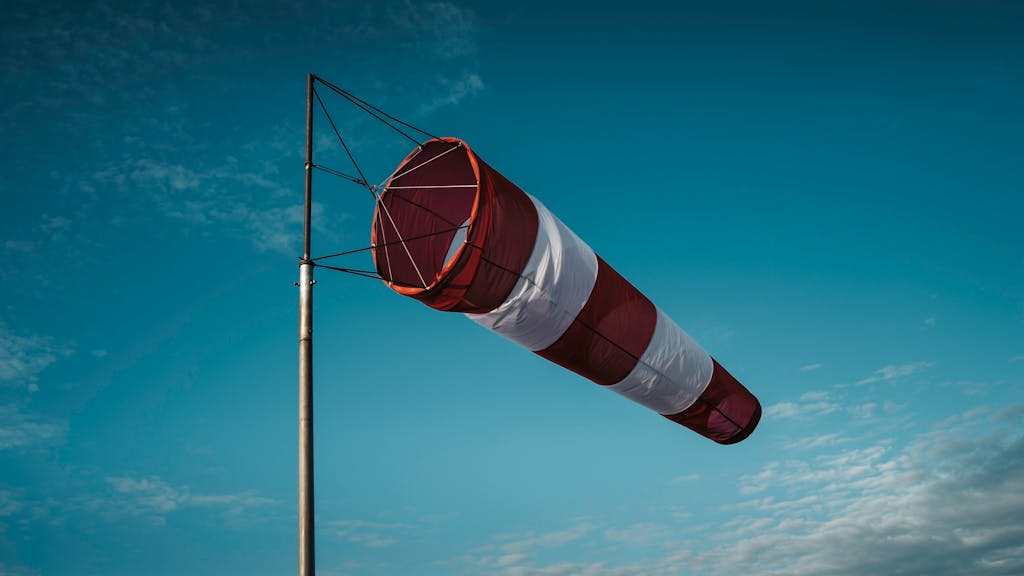
Weather can transform calm conditions into dangerous situations within minutes. Thunderstorms, flash floods, heat waves, and cold snaps aren’t just discomfort; they can threaten lives. A last‑minute rainstorm can drown a poorly pitched tent, and an unanticipated cold front can turn a night under the stars into hypothermia risk.
Avoid It: Always review a 7‑day weather forecast for the exact coordinates of your campsite, not just the nearest town. Plan accordingly and pack for extremes.
Ignoring Wildlife Safety
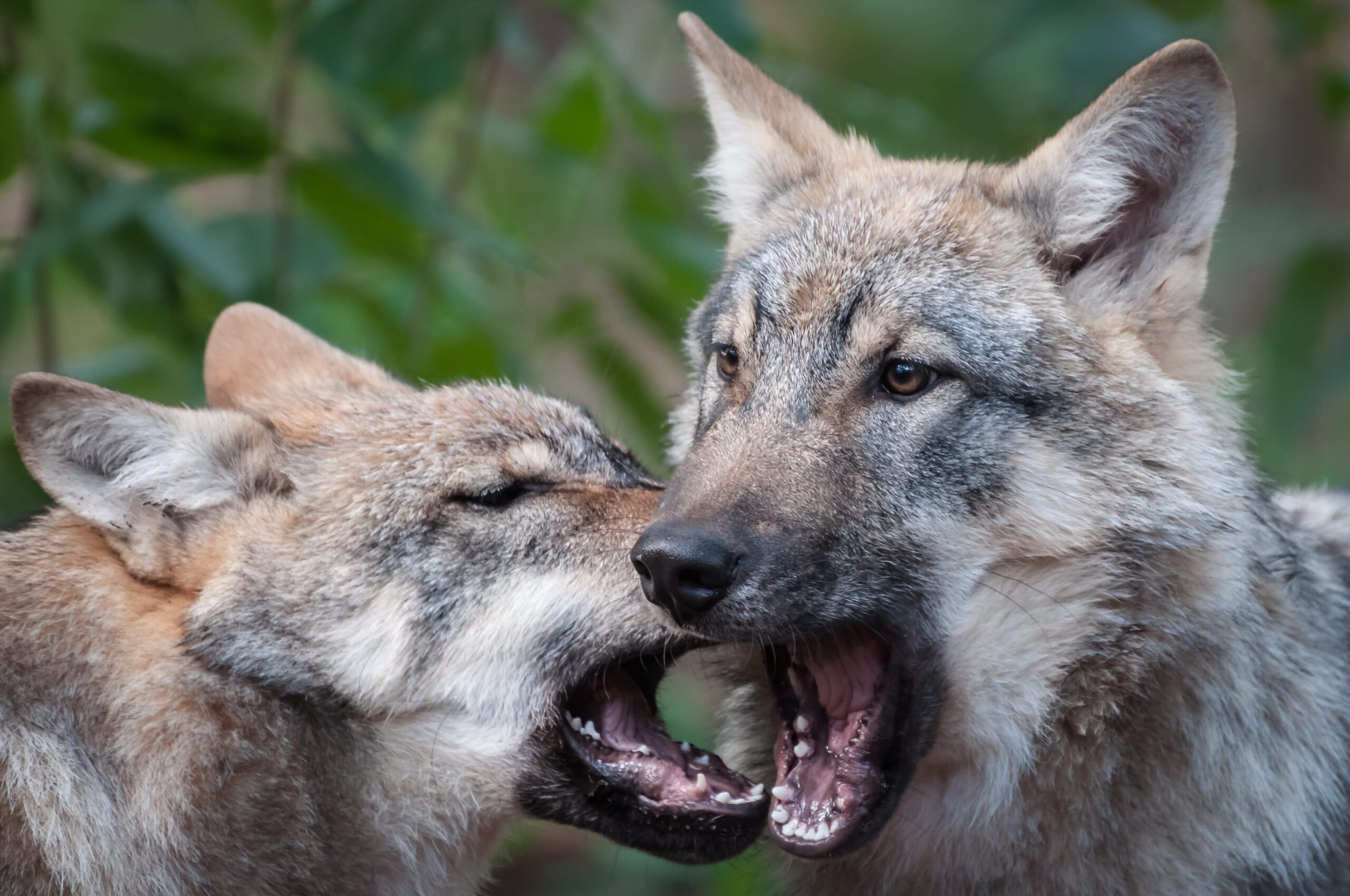
Wild animals don’t read campground brochures, and many are drawn to food scents. Failing to secure food properly is one of the most costly and dangerous errors campers make; it invites curious or aggressive animals onto your site.
Avoid It: Store food in sealed containers or bear‑resistant lockers, keep cooking areas separate from sleeping areas, and never leave scraps or wrappers unattended.
Skipping a Proper Tent Setup
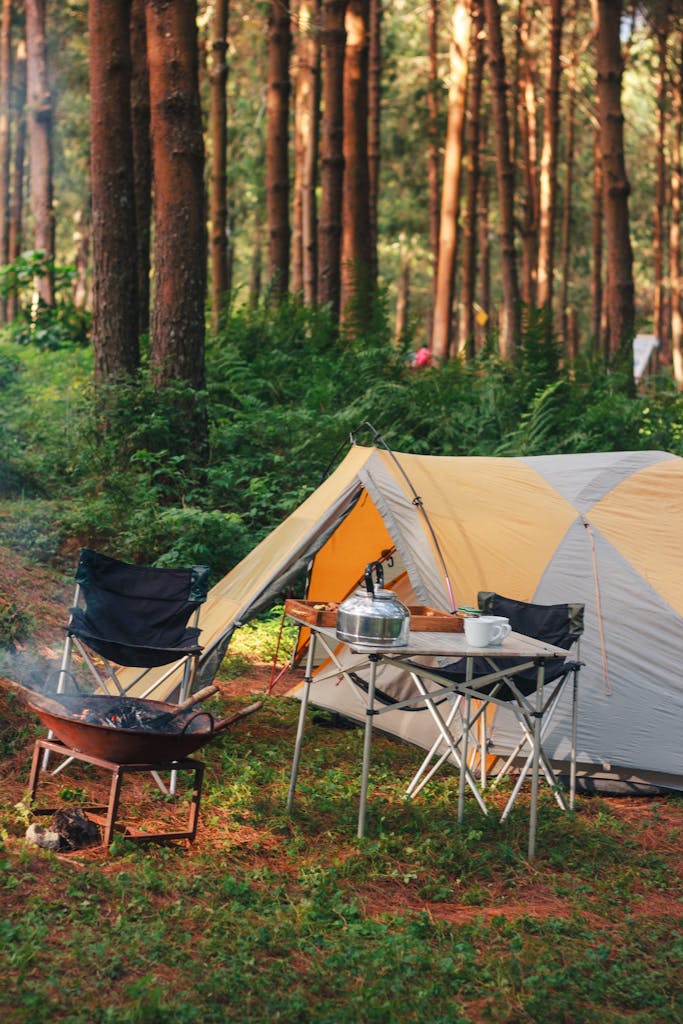
Pitching a tent hastily on uneven ground or too close to water runoff can leave you soaked, uncomfortable, or exposed to falling limbs or insects. A low‑quality setup also invites condensation and structural compromise.
Avoid It: Choose level ground, clear rocks and debris first, stake every corner, and angle your tent door away from likely wind and water paths. Practice setting up at home if you’re new to camping.
Bringing Inadequate Lighting
A flashlight that dies before nightfall or a headlamp with weak batteries isn’t just inconvenient; it’s unsafe. Darkness in the woods can hide hazards such as roots, cliffs, and unexpected wildlife.
Avoid It: Bring multiple light sources: a reliable headlamp, a handheld flashlight, and extra batteries. Keep backups accessible.
Failing to Pack a First‑Aid Kit
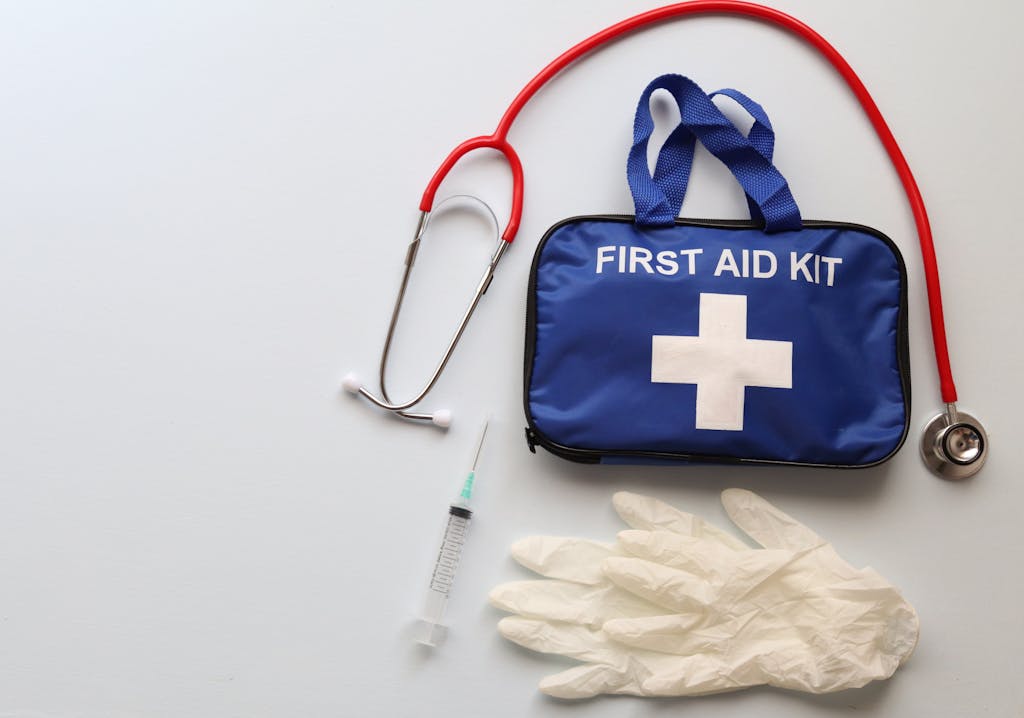
Injuries happen. Cuts, sprains, insect bites, and burns are all more common than most campers assume. A lack of medical supplies turns minor injuries into serious problems.
Avoid It: Carry a comprehensive first‑aid kit with bandages, antiseptics, tweezers, over‑the‑counter pain relievers, allergy meds (especially antihistamines), and blister care. Know basic first‑aid procedures.
Underestimating Food and Water Needs
Nothing stresses a trip like running out of water or meals. Dehydration, hunger, and lack of energy turn adventure into suffering, and sourcing water or supplies mid‑trip can be costly or altogether unavailable.
Avoid It: Bring at least one gallon of water per person per day (more in hot climates), plus extra food that doesn’t require refrigeration. Pack high‑calorie snacks that travel well.
Lighting Unsafe Fires
Campfires are magical until they spread, flare up, or smolder unattended. Many natural area closures occur because of careless fire behavior, and wildfires can start from something as simple as an unmonitored spark.
Avoid It: Only start fires in designated fire rings, keep them small, never leave them unattended, and fully extinguish them with water and dirt before sleeping or departing.
Neglecting Proper Layered Clothing
The outdoors doesn’t operate on your schedule. Cold mornings, hot afternoons, and chilly nights mean clothes that aren’t adaptable can leave you dangerously overheated or hypothermic. Cotton, especially, retains moisture and chills the body fast.
Avoid It: Dress in layers, a moisture‑wicking base, an insulating mid‑layer, and a waterproof outer shell. Always bring extra socks and rain gear.
Not Respecting Trail Etiquette and Signs
Trail markers, closure signs, and wildlife advisories exist for a reason. Ignoring them can get you lost, trespassing, or in trouble with local regulations, and rescue operations are expensive and perilous.
Avoid It: Stick to marked trails, obey posted signs, and carry a physical map and compass even if you rely on GPS apps. Technology fails, but a map doesn’t.
Bringing Electronics Without Backup Power
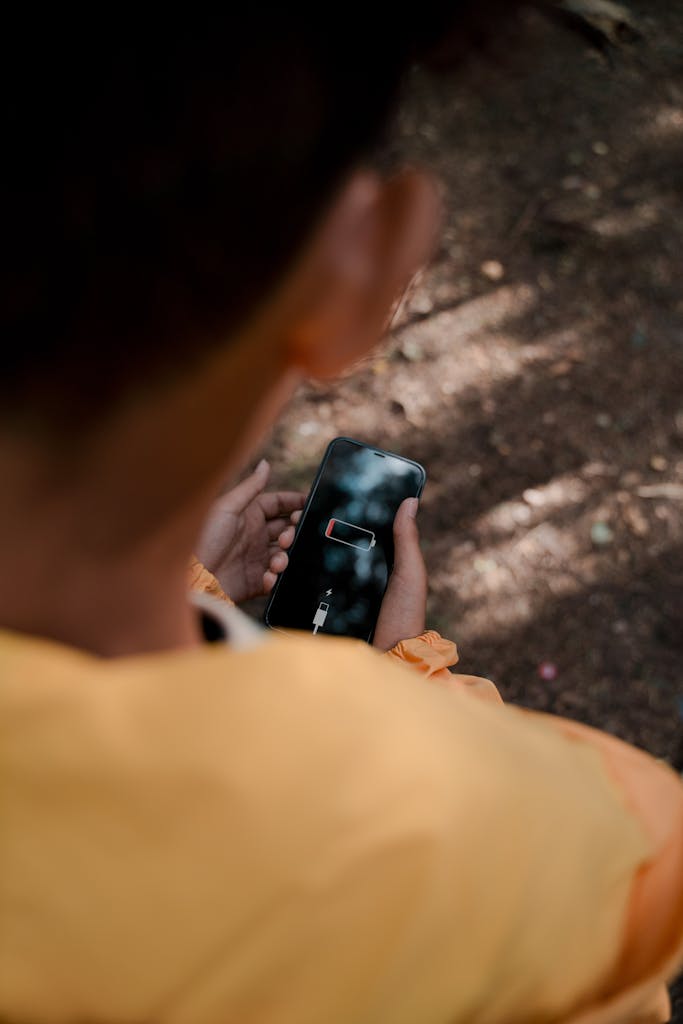
Phones die. GPS fails. Radios go silent. Relying on a single power source without backups leaves you stranded without communication or navigation when you need it most.
Avoid It: Pack portable chargers, extra batteries, and consider a solar charger or hand‑crank emergency device. Always power devices fully before departure.
Failing to Leave No Trace
Environmental damage isn’t just unsightly; it destroys ecosystems, stresses wildlife, and derails the very beauty you came to enjoy. Campers who leave trash, food scraps, or trampled vegetation are part of the problem.
Avoid It: Pack out all trash, respect vegetation, bury human waste only where permitted, and leave every site cleaner than you found it.