Flying has become an everyday experience for millions, yet cabin culture hasn’t come with an instruction manual. With seats tightening, flights fuller, and personal space shrinking, the way we behave in the skies has real consequences: comfort, reputation, and even safety. What used to be a rare adventure has become routine, but the social code of the sky still matters.
Airplane etiquette isn’t about policing every move. It’s about elevating awareness, acting with human decency, and ensuring that everyone, including you, travels with dignity and calm. From boarding to disembarking, from seats to overhead bins, your choices influence the experience of everyone around you.
This guide breaks down the essential rules, both spoken and unwritten, that every modern traveler should know. Let’s redefine cabin manners without judgment, confusion, or awkwardness, and make flying smoother for all.
Respect the Boarding Flow
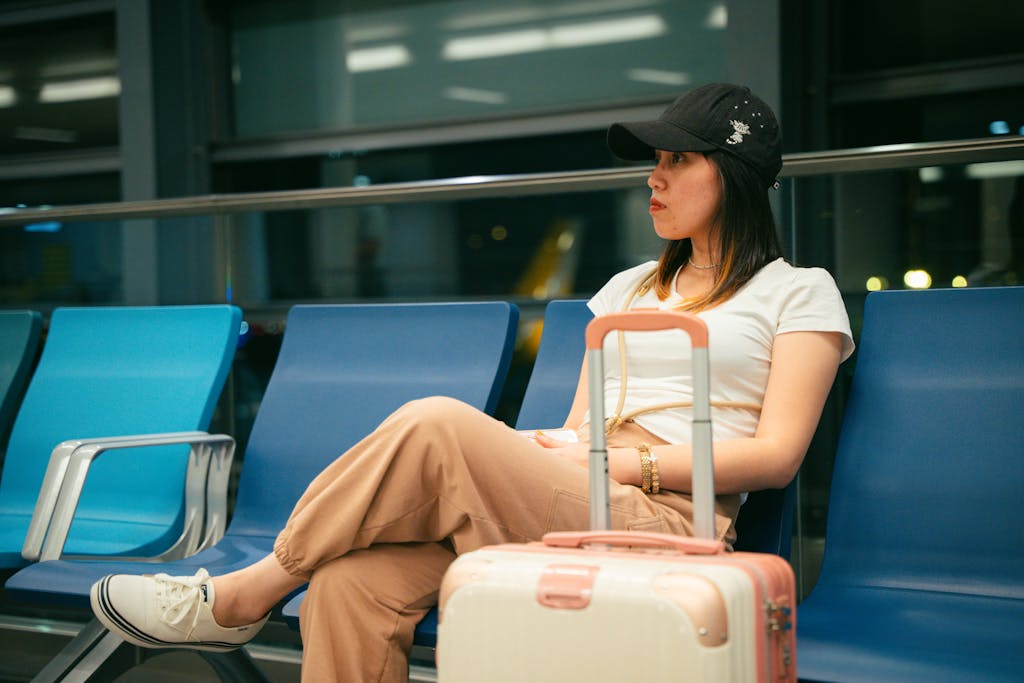
Step one, and it sets the tone for the entire flight, is boarding etiquette. Airlines board in groups for a reason: to prevent bottlenecks and chaos. Ignoring your group or rushing ahead creates jams, stress, and that universal awkward shuffle of bodies and bags.
Always have your ID and boarding pass ready as you approach the gate. Listen for announcements and only step into the jet bridge when your group is called. When you do board, move with purpose: find your seat, put your carry‑on away quickly, and settle in. The goal is not speed walking; it’s a smooth transition.
Pro tip: A friendly nod or smile to gate agents and fellow passengers goes a long way. You’re all in the same circle of seats, so make the start of the journey cooperative, not contentious.
Master the Overhead Bin Dance
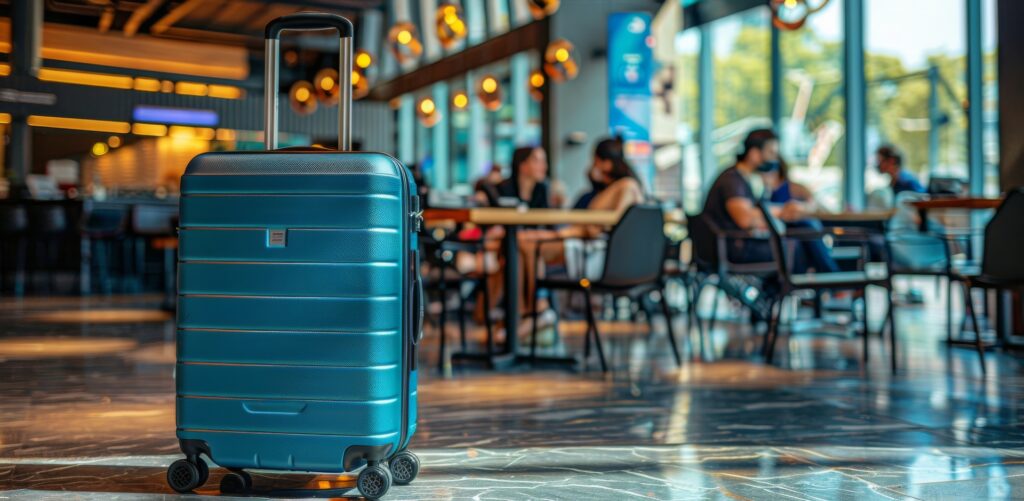
Overhead bins are limited real estate and the source of countless passenger frustrations. The general rule is simple: one carry‑on that fits your airline’s size limits, plus a personal item that fits under the seat in front of you. Exceeding this not only inconveniences others, but it can also delay boarding for everyone.
When stowing your bag, place it wheels-first, top-down, and close to where you sit. If you accidentally put your suitcase near someone else’s row, politely offer to move it. It’s amazing how far a simple “Sorry! Shall we switch so it’s closer to you?” goes in diffusing tension.
Also, remember that overhead capacity isn’t yours exclusively — don’t stash multiple bags or claim space that doesn’t belong to you. Traveling light isn’t just efficient; it’s respectful.
Seat Etiquette: Reclining and Respect
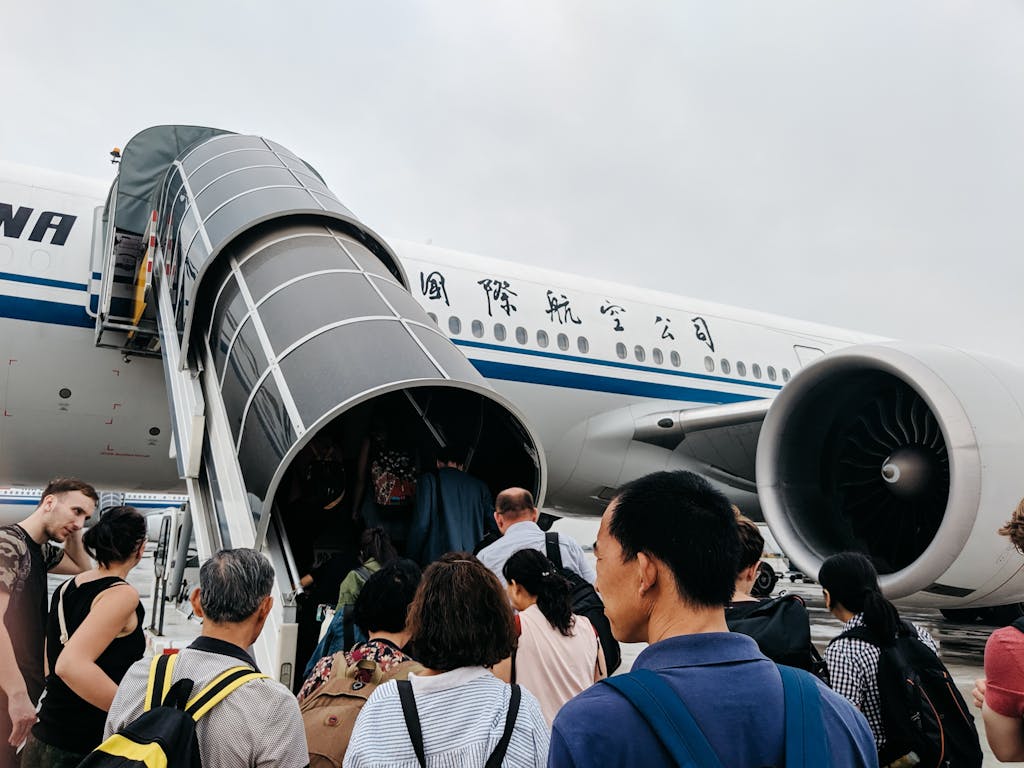
Reclining your seat is a normal part of flying, but timing and awareness matter. If you simply push your seat back abruptly while someone is eating, working, or lacing their shoes, you’ve created a minor awkward drama that could have been avoided.
A good rule of thumb: check behind you before reclining. A quick glance or a soft “Excuse me, I’m going to recline” gives the person behind a moment to adjust their tray, finish their drink, or brace themselves. The goal is not approval, it’s consideration.
Similarly, avoid bumping the seat if you’re shifting or stretching. Minor movements are normal; aggressive rocking or repeatedly kicking the seat ahead is not.
Foot Placement Matters
Feet on the seat, feet in the aisle, feet dangling into someone else’s space are all quick ways to degrade cabin comfort and, frankly, gross out your seatmates. Airplane seats seem small because they are. There’s simply no room for expressive leg sprawls, especially without consent.
Keep feet on the floor, in your own space, and avoid pushing against the seat in front of you. If you need to stretch, do so carefully and mindfully. Respecting personal floor space is one of the easiest ways to instantly elevate cabin manners.
Headphones: Your Sound Barrier
Sound travels in cabins more than you might think. An open laptop speaker, a phone call without headphones, or a movie playing over cabin volume can quickly shift the vibe from calm to chaotic.
Bring good‑quality headphones and use them from pushback to touchdown. Whether you’re tuning into productivity music or your favorite series, others shouldn’t have to hear it. If your headphones start hurting your ears after a while, that’s a tube problem, not a broadcast permission slip.
When headphone batteries die, switch your device to silent or low volume. Airplane etiquette includes not sharing your soundtrack unless explicitly invited.
Handling Conversation and Noise
Humans are social creatures, and flights often spark conversations, especially long ones. But timing and volume matter. A chatty seatmate becomes pleasant only when it’s mutual, not one‑sided.
If someone gives brief responses, keeps listening rather than engaging, or turns back to their book or screen, that’s a clear and polite hint. Respect it. On the other hand, if someone strikes up a lively dialogue, reciprocate politely. Eye contact, smiling, and response length are your etiquette compass.
Regarding calls: avoid phone conversations entirely if possible. Airplane cabins are not private booths, and even whispered phone calls carry. Save calls for after you land.
Dining Decorum in Flight
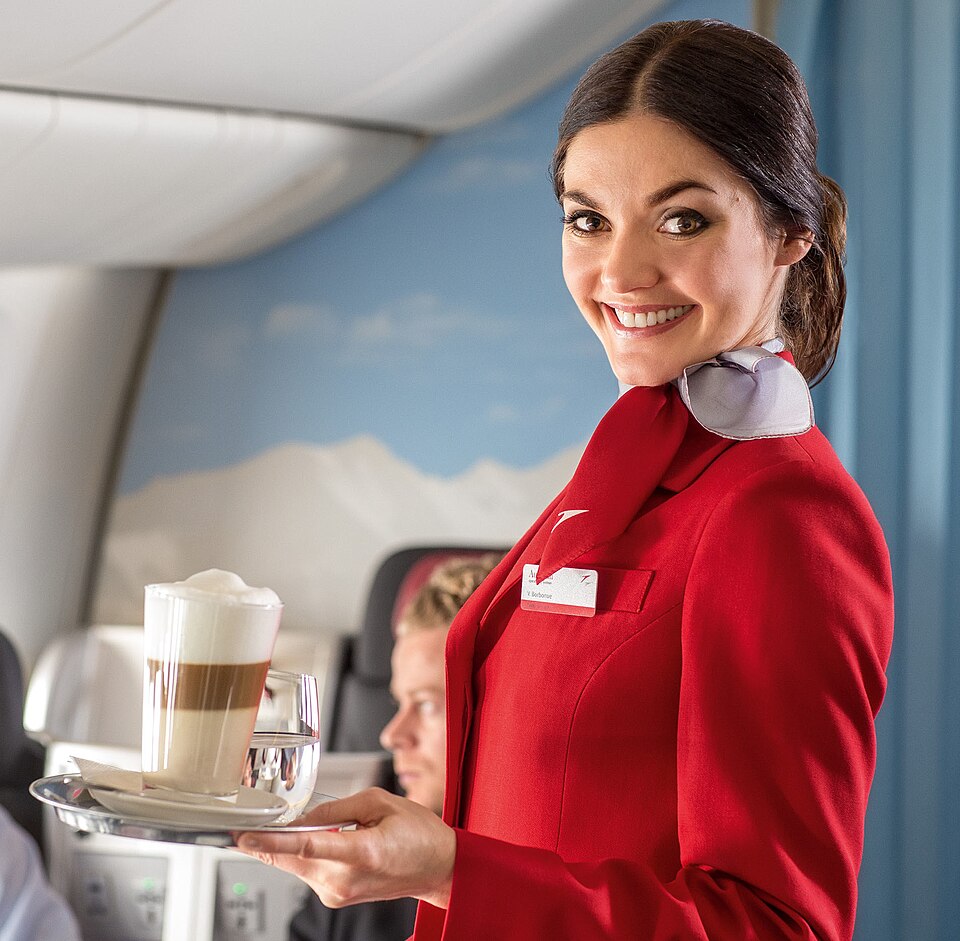
Food service in flight is legendary for tight spaces, unpredictable trays, and the constant dance of drink carts. Navigating it with poise makes a big difference in everyone’s experience.
Open your tray after the cart passes, not before it’s clear. Tidy napkins and wrappers into your bag before take‑off and landing. Keep sauces and dressings closed until you need them, and always wipe up any spills immediately.
If you’re eating something with a strong smell, consider whether that’s fair to your neighbor. Polite dining isn’t about deprivation, it’s about shared comfort.
Resting Responsibly
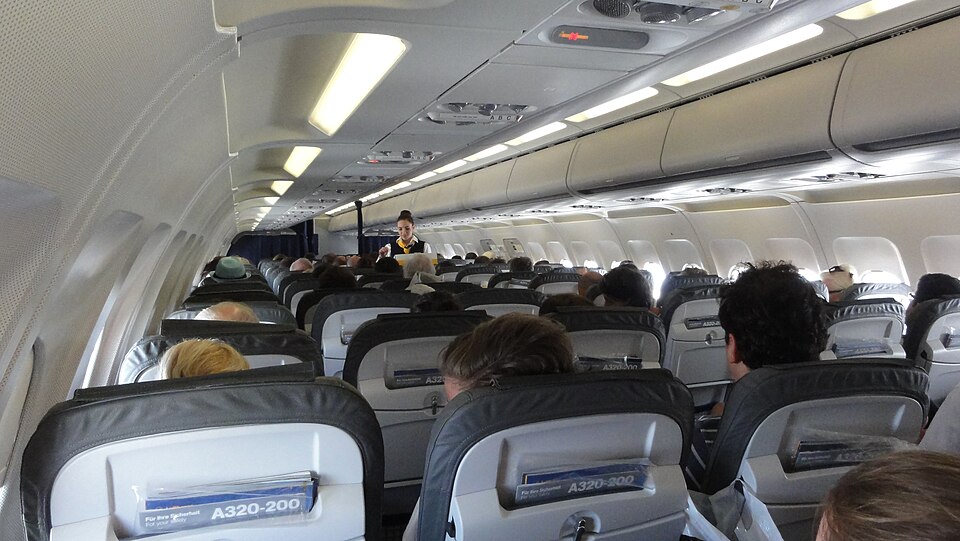
Air travel demands rest. Naps help pass the time and reduce jet lag. But there’s a balance between sleeping peacefully and invading someone’s space.
Avoid dramatic head lolls, sprawling with arms extended, or leaning hard against your neighbor. Use a neck pillow or lumbar support to maintain your own space. If you fall asleep and accidentally doze off on someone’s seat cushion or armrest, wake, adjust, and apologize.
Remember: rest should recharge you, not at others’ expense.
Bathroom courtesy
The lavatory is a confined space where small behaviors amplify. Keep it orderly and fast. Wipe down surfaces if needed, dispose of trash properly, and avoid lingering, especially during busy service times.
If you see a queue forming, wait your turn calmly. Grumbling or cutting ahead is a fast way to sour the entire cabin environment.
Deplaning Gracefully
Many travelers make the mistake of rushing out the moment the plane lands. Seats cannot unlock until the seatbelt sign goes off, and everyone gets off faster when people flow in order, not in a crowd surge.
Use this time to gather your belongings calmly. Close your tray, store your devices, and stand only when allowed. If someone needs help retrieving luggage or adjusting a bag in the overhead bin, offer to help. A little cooperative energy speeds up the process for everyone.
The Golden Rule Above 30,000 Feet
Airplane etiquette boils down to a simple, timeless principle: treat others as you would want to be treated. It’s not rigid, it’s not about self‑sacrifice, and it’s definitely not about perfection; it’s about courtesy rooted in awareness.
Travelers who practice good cabin manners elevate their experience and that of everyone around them. They create fewer awkward moments, generate more goodwill, and leave with a reputation for calm composure rather than frustration or embarrassment.
In an age where flying is dense, routine, and often stressful, etiquette is not nostalgic; it’s necessary. It transforms a crowded aluminum tube into a shared human space that feels more cooperative, respectful, and civilized.
Conclusion
Flying doesn’t have to be tense or awkward. With a few thoughtful habits, such as timely boarding, respectful seating, mindful sound, courteous eating, and cooperative disembarking, you shape a smoother flight for everyone. Cabin culture is not a mystery; it’s a practice. And good etiquette is the invisible infrastructure that makes every journey feel a little more humane.