In recent years, more and more gardeners are leaning into eco-friendly practices that not only enhance the beauty of their gardens but also promote sustainability.
These environmentally conscious approaches reduce waste, conserve water, and support local wildlife. Whether you’re an experienced green thumb or just starting out, here are 10 eco-friendly gardening practices that are quickly gaining popularity.
Composting
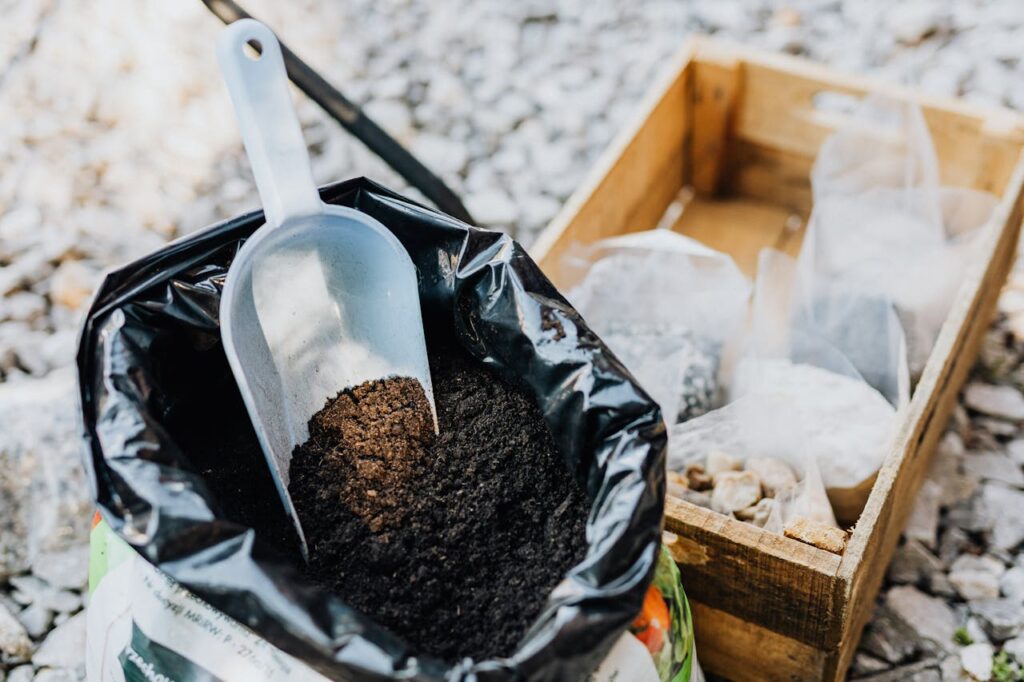
Composting is one of the simplest and most effective ways to reduce household waste and enrich your garden’s soil. By composting kitchen scraps like vegetable peels, coffee grounds, and eggshells, along with yard waste like grass clippings and fallen leaves, you create a nutrient-dense soil amendment.
This reduces the need for synthetic fertilizers and lowers your environmental footprint. Plus, it’s incredibly satisfying to see your waste turn into something valuable for your plants!
Native Planting
Native plants are adapted to thrive in your region’s climate, requiring less water, fewer pesticides, and minimal maintenance. By incorporating native species into your garden, you support local wildlife such as bees, butterflies, and birds.
These plants are crucial for maintaining biodiversity and helping pollinators, which are essential for a healthy environment. Choose plants that naturally grow in your area, and watch your garden come alive with vibrant, low-maintenance beauty.
Rainwater Harvesting
Water conservation is a major concern for gardeners, especially in areas with irregular rainfall. By setting up a rainwater harvesting system, you can collect and store rainwater to use on your garden.
Not only is this practice a great way to reduce water bills, but it also prevents runoff that can carry harmful pollutants into local water sources. Rainwater is often better for plants, as it’s free of chemicals commonly found in tap water.
Organic Gardening
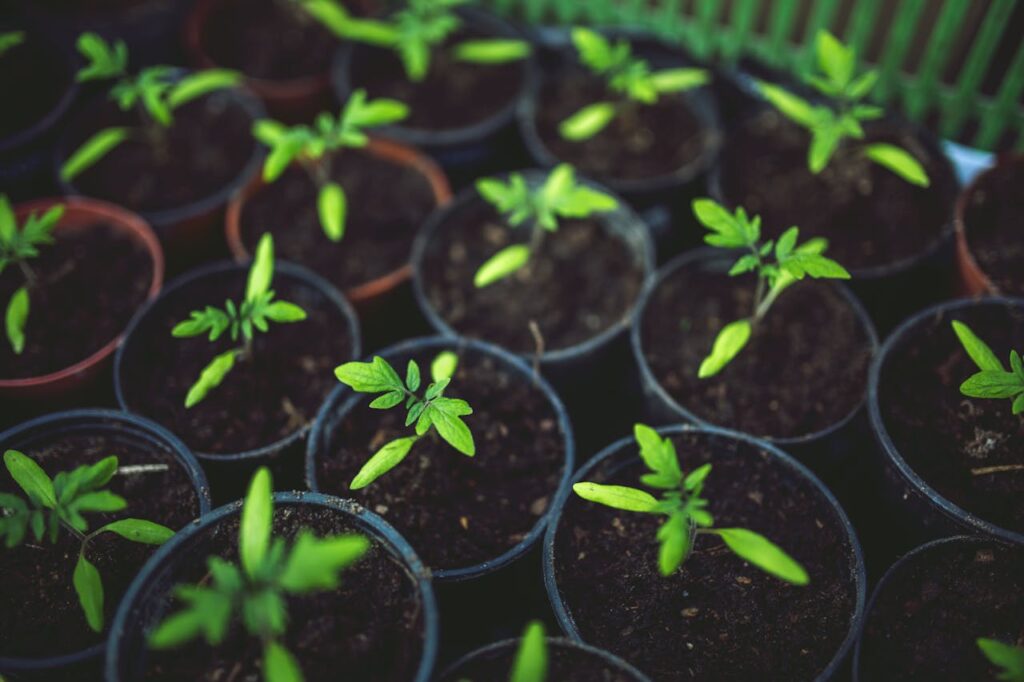
Organic gardening is all about avoiding synthetic chemicals and fertilizers, opting instead for natural alternatives to grow healthy, thriving plants. Organic practices focus on soil health, pest control, and plant diversity.
By using organic fertilizers, such as compost or manure, and implementing companion planting to deter pests, you create a more sustainable garden that’s safer for the environment and your health.
Mulching
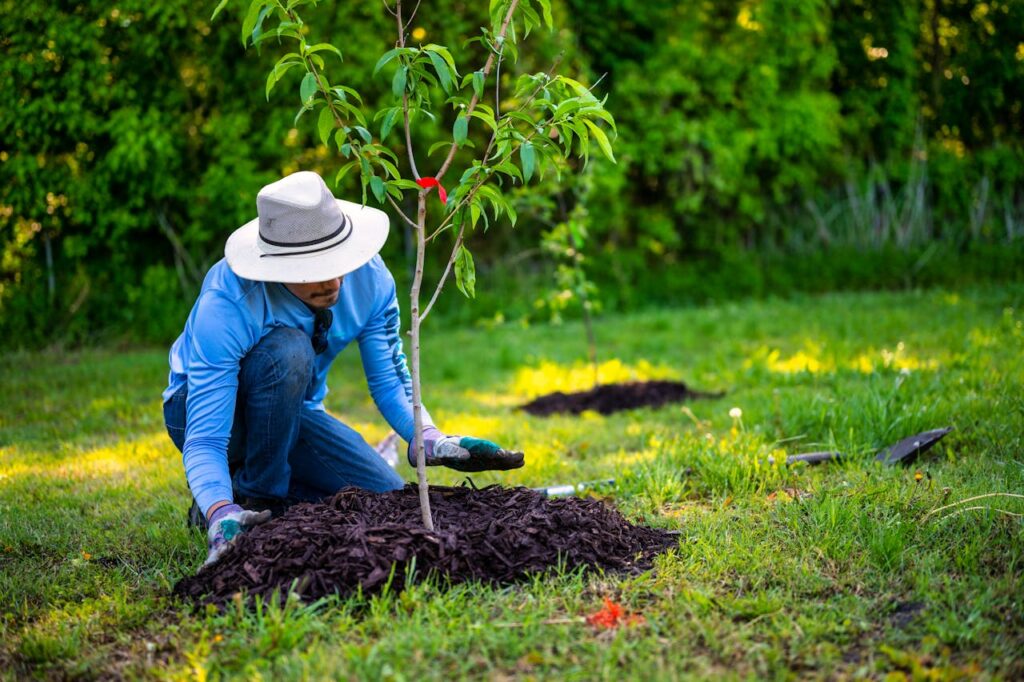
Mulching is a fantastic way to keep your garden eco-friendly. By covering the soil with organic materials like wood chips, straw, or grass clippings, you help retain moisture, regulate temperature, and reduce weed growth.
This minimizes the need for frequent watering and chemical herbicides. As mulch decomposes, it also adds valuable nutrients back into the soil, fostering a healthier garden ecosystem.
Permaculture
Permaculture is an innovative approach to gardening that mimics nature’s ecosystems to create sustainable, self-sufficient gardens. By designing your garden with carefully placed plants, water management systems, and animal habitats, you reduce the need for external inputs like fertilizers and pesticides.
This holistic practice aims to create a garden that’s in harmony with nature, providing food, shelter, and resources for both plants and wildlife.
Vertical Gardening
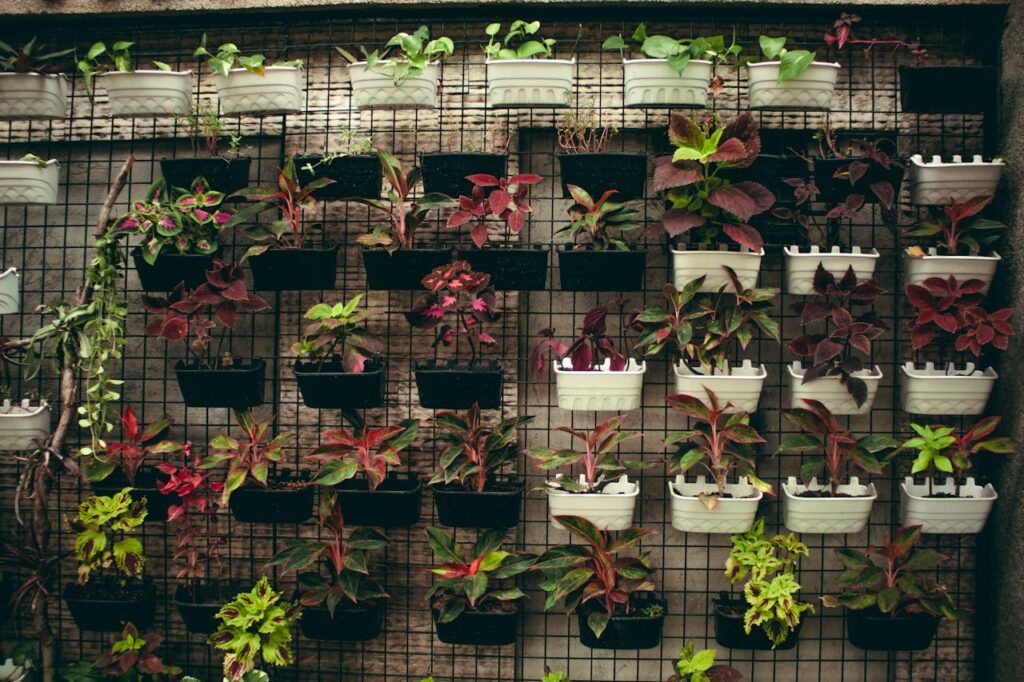
Vertical gardening is becoming increasingly popular, especially for urban dwellers with limited space. By growing plants on vertical structures like trellises, fences, or wall-mounted planters, you can maximize your growing area without consuming a lot of land or resources.
This technique is perfect for growing climbing plants, herbs, and even vegetables like tomatoes and beans, all while conserving water and improving garden efficiency.
Biodiversity
Encouraging biodiversity in your garden is an eco-friendly practice that supports the resilience of your garden ecosystem. Planting a wide range of species, including flowers, shrubs, and trees, not only enhances the aesthetic appeal of your garden but also helps maintain a healthy balance.
A diverse garden can reduce pest outbreaks, encourage beneficial insects, and improve soil health. Consider adding flowering plants that attract pollinators and others that provide habitat for small animals.
No-Till Gardening
Traditional tilling can disrupt soil structure, destroy beneficial organisms, and lead to erosion. No-till gardening, on the other hand, focuses on maintaining the natural structure of the soil. By leaving soil undisturbed, you encourage the growth of earthworms and other helpful microorganisms, which improve soil aeration and nutrient cycling.
This practice is particularly beneficial for retaining moisture and enhancing the soil’s long-term fertility.
Upcycling Garden Materials
One of the best ways to be eco-friendly in your garden is to reuse and repurpose items you already have.
From turning old pallets into raised beds to using plastic bottles for watering systems, upcycling materials helps cut down on waste and reduces the need for new garden supplies. Be creative and consider how you can use everyday items, like jars, wood, or tires, in sustainable gardening projects.