Wellness trends often claim to improve our lives and health. As the wellness industry expands, it can be hard to tell what really works. In 2026, some trends may look promising but might not be as helpful as they seem.
Some trends, like depending too much on technology or making drastic lifestyle changes, could actually be harmful. Even if they seem new or exciting, they might not help in the long run. It’s important to think carefully about these fads before joining in.
Longevity Lifestyles Could Be More Harmful Than Helpful
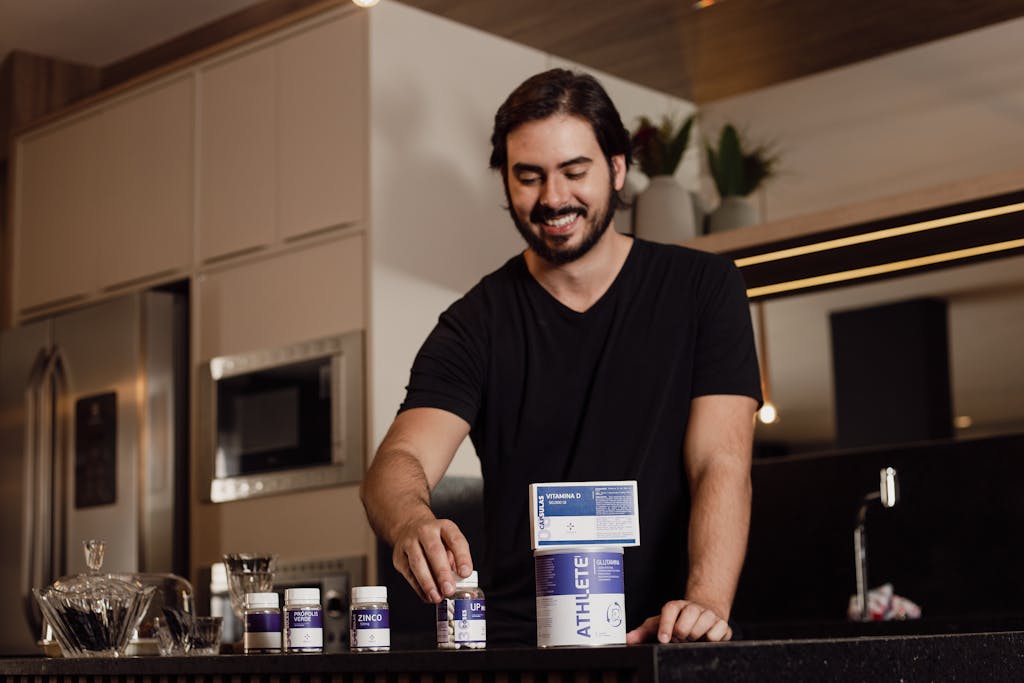
Longevity-focused lifestyles are changing how we think about wellness, emphasizing metabolism, hormones, and intense fitness routines. But these methods can cause nutrient imbalances and extra stress. Instead, building sustainable habits like strength training, good sleep, and strong social ties is a healthier choice than making your routine too complicated.
Longevity is not about being perfect, but about finding balance. Simple habits like regular exercise and enough rest help you stay healthy over time, without needing complicated or stressful biohacking.
AI-Powered Wellness Coaches Aren’t the Magic Solution
AI wellness tools create personalized health plans using data from wearables and tests. While they seem convenient, focusing too much on data can cause stress and worry. Wellness is more than numbers; it also needs human understanding and emotional awareness, which technology cannot replace.
Rather than depending only on technology, try to balance data with your own understanding. Wellness should help you feel better, not make you anxious about every number.
Nervous System Regulation May Not Always Be Beneficial

Techniques like breathwork and cold therapy are popular for stress relief. But they can be too much for some people, especially if used too often or incorrectly. For example, cold exposure might actually raise stress hormones and make anxiety worse for some.
Managing stress is personal, and what helps one person might not help another. It’s important to choose methods that fit your needs, instead of just following trends that could add more stress.
Precision Wellness Might Overcomplicate Your Routine
Precision wellness uses real-time data to personalize health plans. But trying to perfect every detail can cause extra stress. Always changing your diet, sleep, or exercise based on data can distract from simple, effective habits like eating well and staying active.
Wellness should be simple and easy to follow. Instead of worrying about every detail, focus on the basics: being consistent, knowing yourself, and maintaining a healthy balance.
Bioharmony Nutrition Might Lead to Unnecessary Restrictions

Bioharmony nutrition suggests eating in accordance with your body’s natural rhythms and needs. While this can help digestion, it might also lead to strict eating rules that cut out important nutrients. Sticking to set meal times or removing food groups can hurt your nutrition and your relationship with food.
It’s not about restriction; it’s about nourishing your body with a variety of whole foods. A balanced, flexible approach to eating is far more beneficial than sticking strictly to bioharmony guidelines.
Regenerative Travel Could Set Unrealistic Expectations
Regenerative travel, which includes things like forest retreats and digital detox trips, is a growing trend. These trips can be refreshing, but they might set unrealistic expectations for what wellness travel can do. Many people do not have the time, money, or freedom for long trips, so chasing the ‘perfect’ wellness vacation can be stressful.
You do not need expensive trips for real wellness. Spending time in nature or taking breaks from screens in your daily life can give you lasting benefits without big costs.
Workplace Wellness Is More Than Just Perks

More workplaces now offer perks like stress-recovery rooms and flexible hours. These are helpful, but they often miss the bigger problems of work culture and burnout. If the work environment is still unhealthy, perks alone will not solve the problem.
True workplace wellness starts with a supportive work culture. Companies need to prioritize mental health, work-life balance, and realistic expectations to foster long-term well-being.
Community Wellness Can Exclude Rather Than Include
Community wellness programs, such as group fitness classes, have become increasingly popular. While they help people connect, they can exclude those who prefer being alone or cannot join these activities. Wellness should include options for both group and solo activities.
Real wellness respects each person’s needs and preferences. Whether you enjoy groups or time alone, you should be able to choose what works best for you.