If you’re considering replacing your regular grass lawn with a clover one, you may want to rethink that decision. Clover lawns have been gaining popularity in recent years due to their low-maintenance nature and environmental benefits. However, there are several reasons why you might want to think twice before planting clover in your yard. While clover offers some perks, it may not be the perfect solution for everyone. In this article, we will explore ten reasons why growing a clover lawn could be a mistake for your home.
Clover Attracts Bees
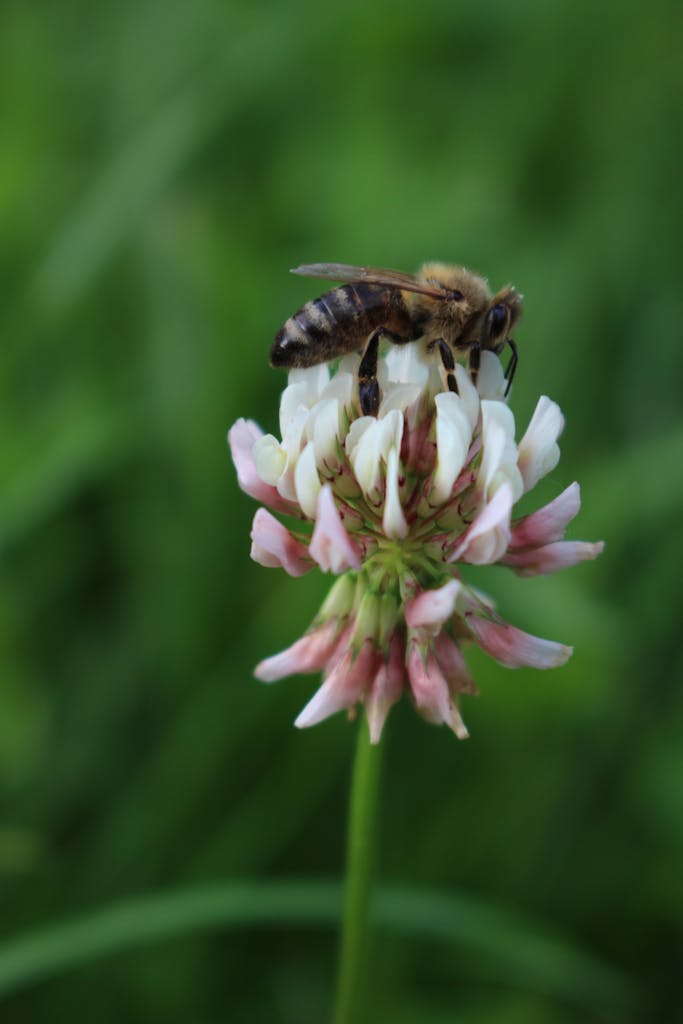
Clover plants naturally attract bees due to their sweet-smelling flowers. While bees play an essential role in pollination, their presence could be problematic, especially if you have young children or pets. An unintentional bee sting can lead to painful reactions, and some individuals may experience an allergic reaction. This makes a clover lawn less than ideal for families with small children or pets who may wander into the yard and encounter these buzzing insects.
Clover Might Not Thrive in All Climate Zones
While clover is a hardy plant, it’s not a one-size-fits-all solution for lawns. It thrives best in temperate climates, which means it may struggle in areas with extreme heat or cold. In regions where summers get too hot, clover tends to wither and die off. Similarly, in areas with harsh winters, clover may not survive the cold temperatures, leading to patches of brown or dying plants in your yard. If you live in an area where these conditions prevail, a clover lawn may not be a long-term investment.
Invasive Growth Can Overrun Your Garden
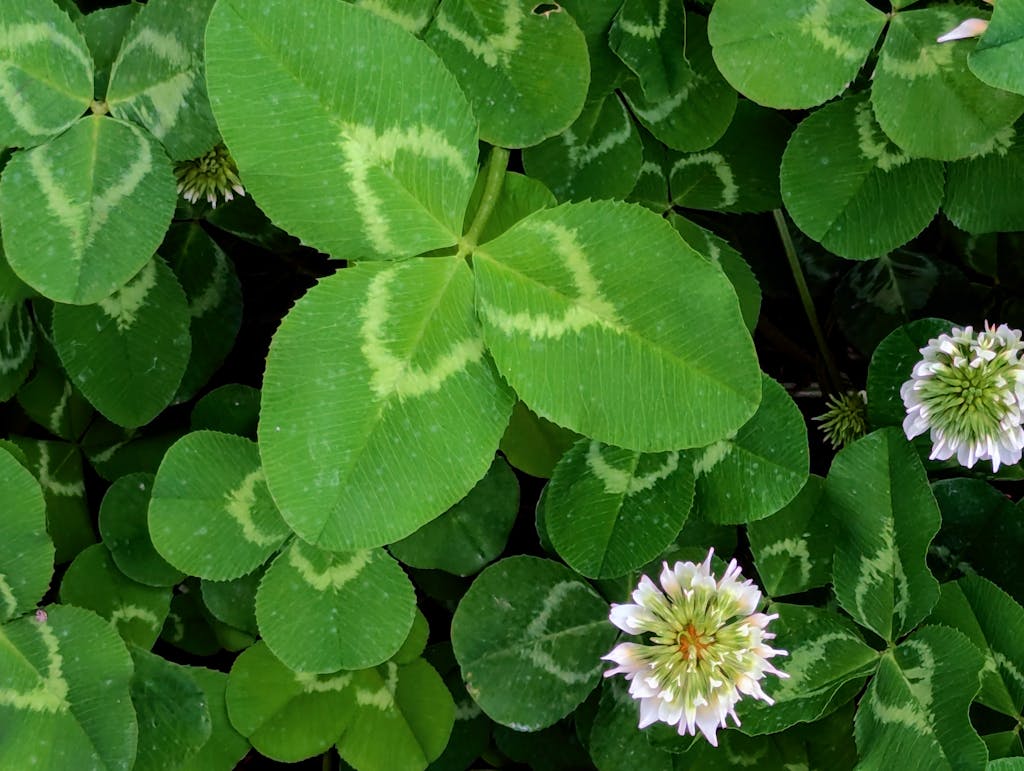
One reason clover is considered a low-maintenance lawn option is its ability to spread rapidly. However, this same quality can become a problem. Clover can invade flower beds and garden areas, crowding out other plants. If you’re someone who takes pride in a well-manicured garden with a variety of flowers, vegetables, or shrubs, you may find yourself constantly battling clover’s aggressive growth. This can lead to more time spent maintaining your garden, which goes against the primary appeal of a clover lawn.
Clover Is Susceptible to Pests and Diseases
Clover may seem like a carefree lawn option, but it is not immune to pest infestations or diseases. Certain pests, like aphids, are drawn to clover and can quickly damage your lawn if left unchecked. Additionally, clover is susceptible to fungal diseases such as powdery mildew, which can cause unsightly spots and harm your lawn’s overall health. You’ll need to stay vigilant and treat your clover lawn with pesticides or fungicides, which can add extra cost and labor to maintaining it.
It Doesn’t Provide the Same Aesthetic Appeal as Grass
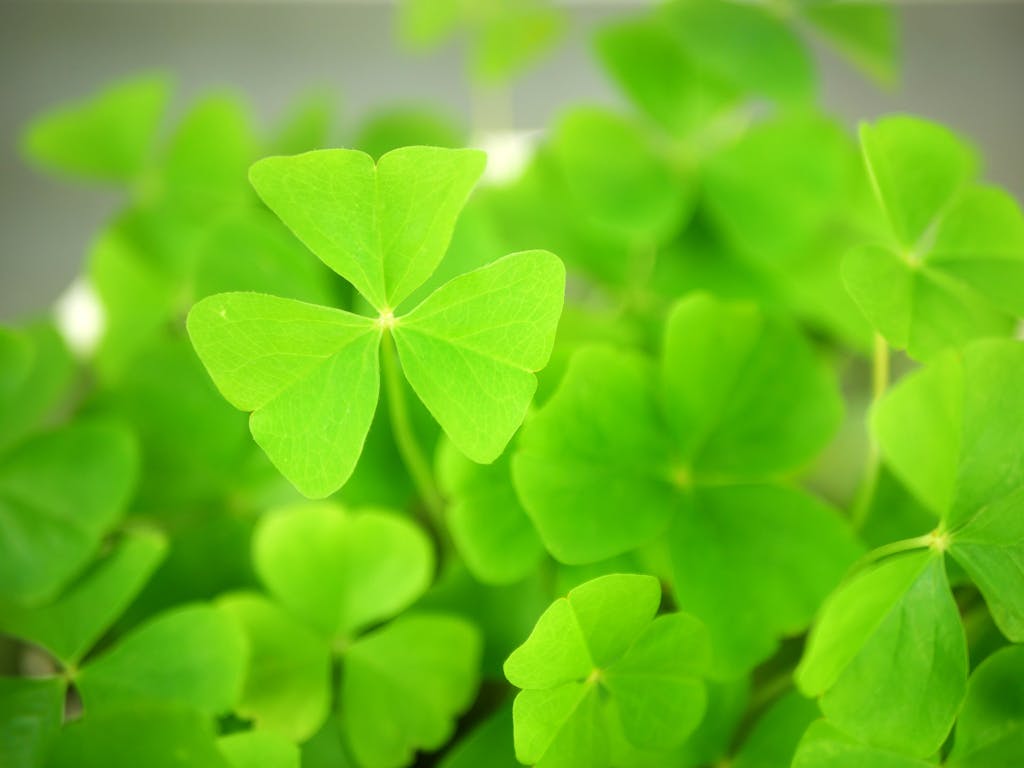
If you value a traditional, lush, green lawn, clover may not be the best option. Clover typically has a different texture and color from grass, and its appearance may not match the look that you’re aiming for. Some people find clover a bit too coarse or uneven in texture, especially in large patches that lack the smoothness of a well-maintained grass lawn. If you’re looking for that immaculate, flawless green lawn look, you may not be satisfied with the aesthetic of a clover lawn.
Clover Can Lead to Lawn Weeds
While clover is often heralded for its ability to reduce weed growth by naturally fertilizing the soil with nitrogen, it can also encourage weeds in the long run. Weeds can grow in between clover patches, especially if you do not regularly care for the lawn. Some of these weeds may be more invasive and troublesome to remove than the clover itself. This could result in more effort and time spent on weed control, undermining the idea of a low-maintenance lawn in the first place.
It Can Be Harder to Mow Clover Lawns
While clover is low-growing, it does require mowing. However, mowing clover lawns isn’t as easy as cutting grass. Clover plants tend to be tough, and their stems can be thick, making it difficult to get a clean, even cut with a standard lawnmower. This can be frustrating, especially if you don’t want to invest in a specialized mower designed to handle tougher plants. Additionally, if you let clover grow too tall before mowing, it can be even harder to maintain a neat, well-trimmed appearance.
Clover Doesn’t Tolerate Heavy Foot Traffic Well
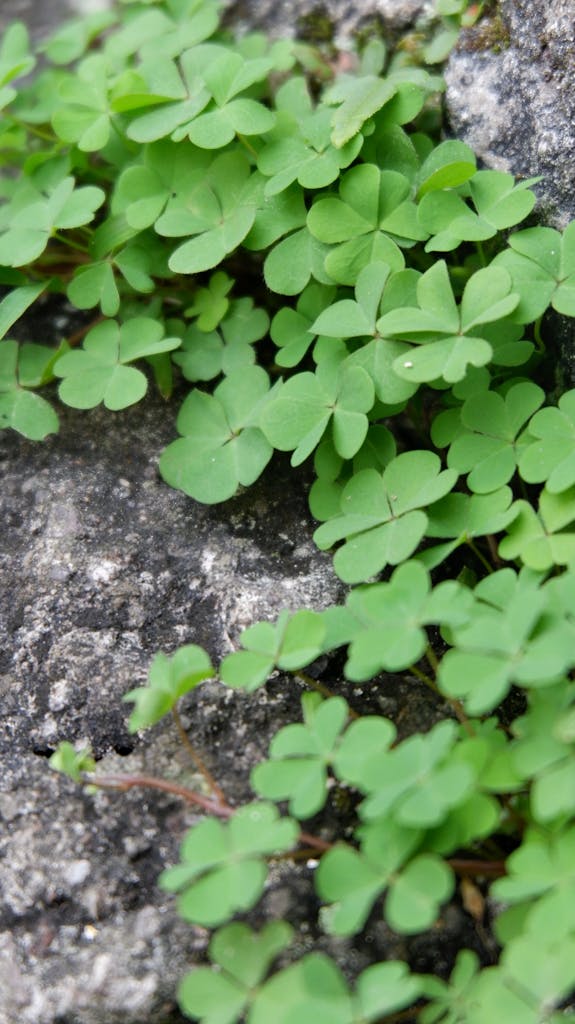
If your lawn gets heavy use from kids, pets, or outdoor activities like barbecues, clover may not be the best choice. Unlike grass, which can bounce back after heavy foot traffic, clover does not recover as easily from being trampled on. This can lead to bare patches, making your yard look unkempt and uneven. If your family enjoys outdoor games or frequent gatherings, clover might not be the most durable option for a high-traffic lawn.
Clover Needs More Water Than Grass
Though clover is often praised for its drought tolerance compared to grass, it still requires regular watering, especially during dry spells. If you’re hoping to conserve water with a clover lawn, you might be disappointed. Depending on the clover variety and your local climate, you may still need to water it regularly, which could increase your water bill and add to your lawn’s overall maintenance costs. This can be especially troublesome in drought-prone areas where water conservation is a priority.
Clover Is Not a Great Option for People with Allergies
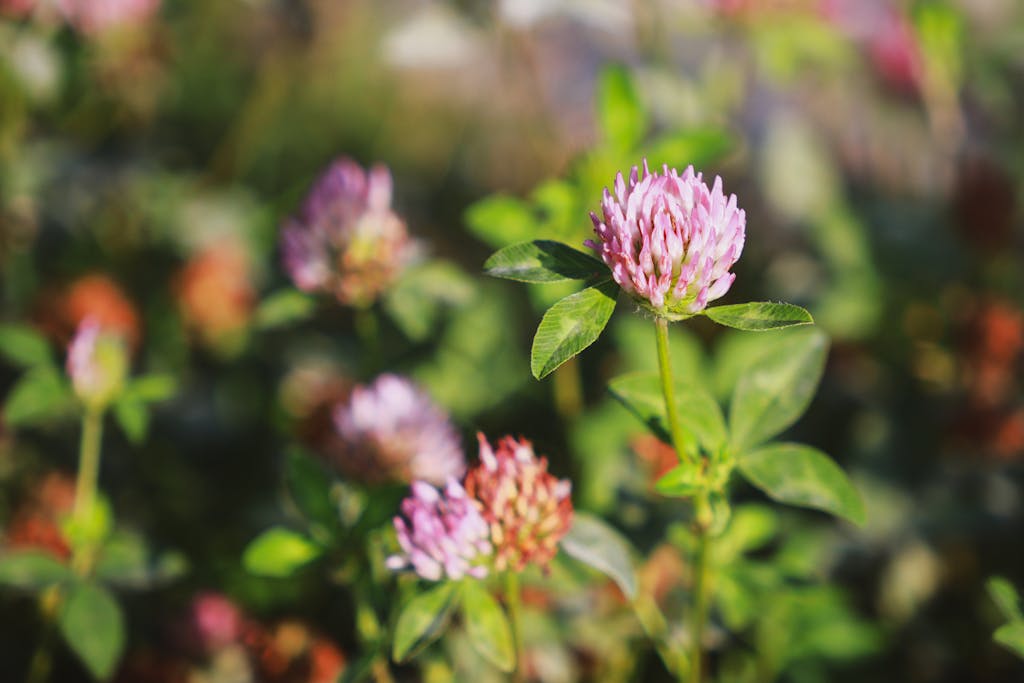
Clover’s flowers can produce pollen that may trigger allergies in sensitive individuals. While this is a common issue across many plant types, clover is particularly problematic for people with hay fever. Pollen from clover flowers can spread over a wide area, irritating the respiratory system. If you or a family member is prone to seasonal allergies, the presence of a clover lawn could make life a lot more difficult during peak pollen seasons.
Conclusion
While clover lawns have their benefits, such as low maintenance and environmental advantages, they also come with significant drawbacks that could make them unsuitable for certain homeowners. From attracting bees to being less resilient under heavy foot traffic, clover lawns may not be the solution you were hoping for. It’s important to weigh the pros and cons before deciding if a clover lawn is the right choice for your property