You’ve repeatedly tried cutting calories and giving up junk food. Sometimes things go well, but the scale stays stuck. The reality: weight loss rarely comes from one major change but from small, repeated habits that quietly undermine your progress.
These habits are neither complex nor extreme. Most people overlook them because they seem too simple. Consistently skipping them keeps weight stubborn, but understanding why can end the cycle.
Eating Too Fast Without Chewing Properly
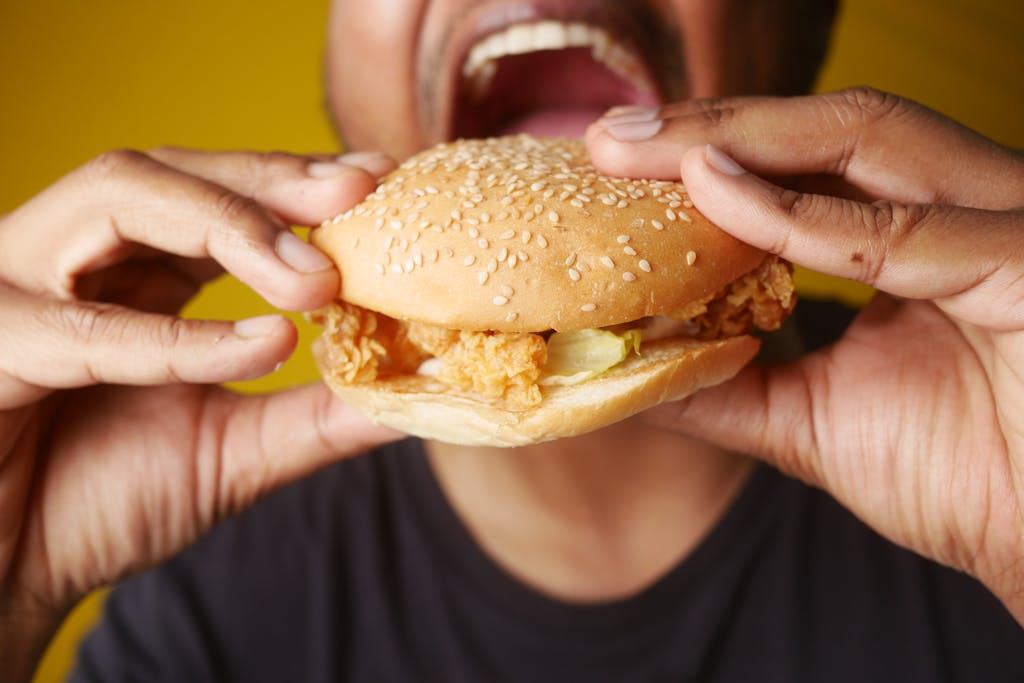
Most people finish meals in under ten minutes, unaware that eating speed directly affects calorie intake. Your brain takes about 20 minutes to register fullness, so eating too fast often leads to overeating. By the time you feel full, you’ve usually consumed more than needed.
Slowly chewing lets your digestive system activate and gives hunger hormones time to respond. No special foods are required. Pause between bites and notice your pace. This small change can affect both how much you eat and your satisfaction.
Skipping Breakfast or Delaying Your First Meal

Delaying your first meal may seem like an easy way to cut calories, but it often backfires. Skipping breakfast disrupts blood sugar levels, triggers a cortisol spike, and usually leads to stronger cravings and larger portions later. Your body compensates by craving high-calorie foods.
Eating a balanced first meal soon after waking sets your metabolism and hunger hormones on a steady course for the day. It doesn’t need to be big or fancy. Even a simple meal with protein and fiber helps stabilize and manage appetite.
Drinking Enough Water Before Meals

Thirst and hunger are regulated by the same part of the brain, which means that the same brain region regulates thirst and hunger, so your body can easily confuse them, making you reach for food when you really need water. This mix-up is common and adds unnecessary calories throughout the day. Mild dehydration can also slow metabolism, making weight management harder.
Drinking a full glass of water before each meal is one of the simplest and most effective weight-loss habits you can adopt. Drinking water before meals helps you feel full and prevents confusing thirst with hunger. This simple habit is free and quick to practice.
Eating Straight From the Packet Instead of Portioning
Eating directly from a bag, box, or container removes every natural stopping point your brain would otherwise use to gauge how much you have consumed. Without a visual reference for portion size, most people eat significantly more than they intend to and often do not realize it until the packet is empty. It is not a willpower issue. It is simply how the brain processes food when there are no clear boundaries.
Dividing into a bowl or onto a plate before eating takes only seconds, but it changes your relationship with the food entirely. When you become aware of how much you are eating, you are more likely to eat slowly and far less likely to go back for more. Building this habit consistently is one of the most practical and underrated ways to manage your weight without any dietary restrictions.
Ignoring Protein at Every Meal

Protein is the most filling and helps curb overeating at later meals. Many consume most of their protein at dinner but little at breakfast or lunch, leaving them hungry and prone to snacking. This pattern quietly adds extra calories weekly. It contains a meaningful source of protein, whether that is eggs, chicken, fish, legumes, or dairy, stabilizes your hunger hormones, and keeps your energy more consistent.
It also helps preserve muscle mass, which is important for maintaining a healthy metabolism. You do not need to obsess over grams or meticulously track everything. Simply asking yourself whether protein is present at every meal is enough to shift the pattern.
Eating Late at Night Consistently
Your body’s ability to process and metabolize food is closely tied to your circadian rhythm, and eating late at night runs directly counter to that natural cycle. Including a protein source, such as eggs, chicken, fish, legumes, or dairy, at each meal helps stabilize hunger hormones, maintain steady energy, and preserve muscle mass for a healthy metabolism.
There’s no need to track grams or measure everything; ensure every meal includes protein to shift your habits. A protein snack is better than a large meal. Align your eating window with your body’s natural rhythm rather than against it.
Not Eating Enough Fiber Throughout the Day
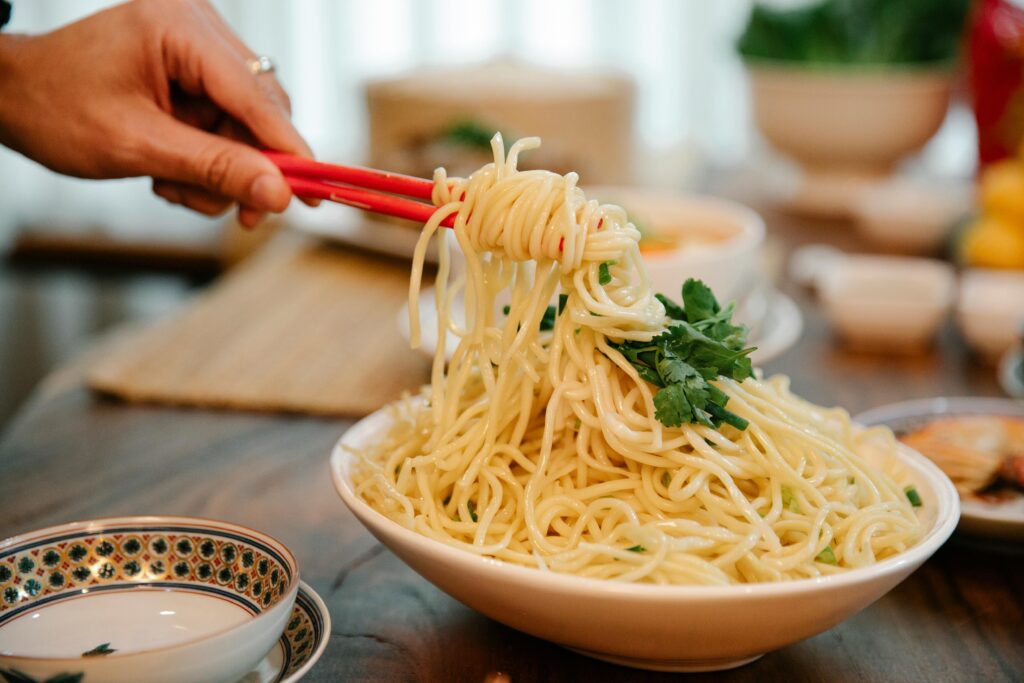
Fiber is powerful and underappreciated for weight management. It slows digestion, stabilizes blood sugar, and keeps you full for much longer than most other foods. Most people consume only a fraction of the fiber their bodies need each day. This leaves them hungrier more often and more susceptible to energy crashes that trigger cravings. The result is increased eating, increased snacking, and greater difficulty maintaining a calorie balance.
Fiber-rich foods like vegetables, legumes, whole grains, and fruit can be incorporated into your meals without a complete dietary overhaul. Even increasing your vegetable portion at each meal and swapping refined grains for whole grain versions can significantly change how full and satisfied you feel throughout the day. Fiber is cheap, accessible, and among the most evidence-based strategies for sustainable weight management.
Mindless Snacking Between Meals
Snacking on its own isn’t a problem, but snacking due to boredom, habit, or stress rather than real hunger adds hundreds of extra calories without ever feeling like a meal. Mindless snacking flies under the radar, and most people don’t even track it. This is why their weight may not shift despite reasonable meals. Before reaching for a snack, pause to ask yourself whether you are actually hungry or simply bored, stressed, or habitual, and the outcome can change.
If you are genuinely hungry, a protein- and fiber-rich snack is a far better choice than a packet of processed food. Building awareness of when and why you snack is one of the most impactful changes you can make without changing what you eat at meals.
Skipping Meals Thinking It Helps Weight Loss

It may seem logical to eat less by skipping meals, but this often has the opposite effect. Skipping meals lowers blood sugar. Eating small meals throughout the day helps keep your blood sugar levels stable. Control is nearly impossible.
When you skip a meal, your blood sugar drops, your hunger intensifies, and your body goes into a mild stress response that makes high-calorie foods significantly more appealing body never reaches the point of desperation.