Hostas are widely adored for their ability to grow in shady spots and provide lush, beautiful foliage with relatively little care. However, they are quite particular about their growing conditions. If you place them in an unsuitable environment, your hostas might not reach their full potential. Avoid these common mistakes, and you’ll be rewarded with healthy, thriving plants that enhance any garden or landscape.
Don’t Plant Hostas in Harsh Afternoon Sun
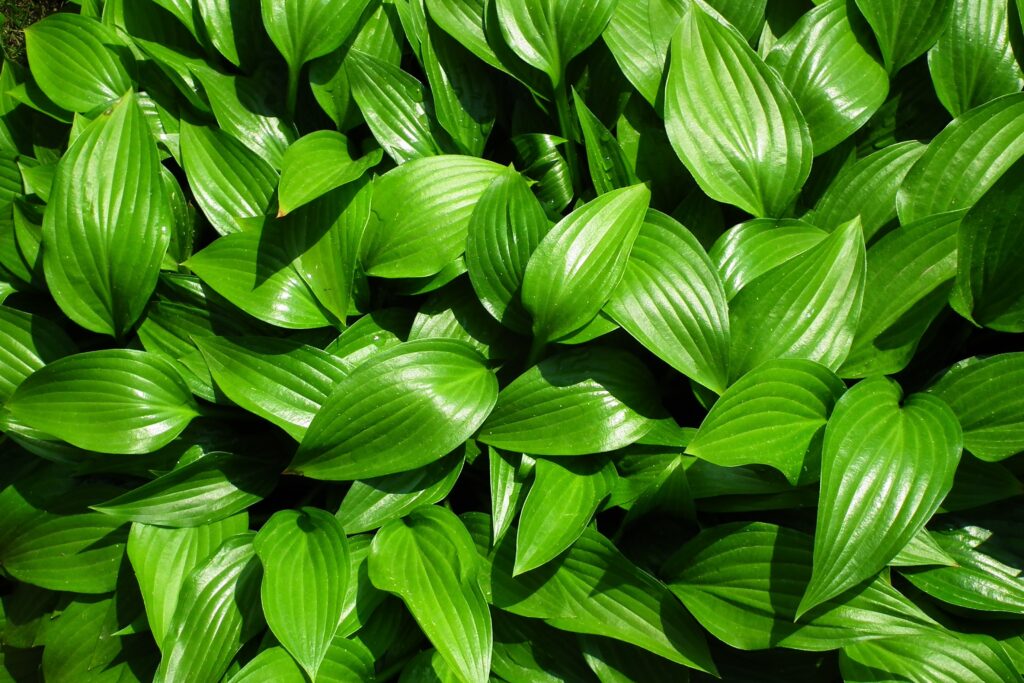
While hostas can tolerate a small amount of sunlight, they generally prefer to be shielded from the scorching afternoon sun. Direct sunlight during the hottest parts of the day can burn their leaves, causing unsightly brown patches. If your hostas are exposed to too much sun, their leaves will likely fade or become crispy, detracting from their beauty. The best locations for hostas are in areas that receive dappled morning sunlight and afternoon shade, such as beneath a tree canopy or near a garden structure.
Don’t Assume All Light Levels Work the Same
Not all hostas are created equal when it comes to light tolerance. While some varieties, like ‘Sum and Substance,’ can tolerate more sun, others, such as ‘Blue Angel,’ are more suited for deep shade. When planting hostas, it’s important to match the plant’s light requirements to the environment. If you plant a variety that requires more shade in direct sunlight, it could result in leaf scorching or a lack of vibrant coloration. Conversely, a sun-tolerant variety planted in deep shade may grow weak and leggy. Know your hosta variety and place it accordingly.
Don’t Ignore Climate Zones
Hostas thrive best in moderate to cool climates. In warmer regions, especially in southern states, the intense heat can overwhelm the plants, causing them to struggle. In these climates, even the morning sun can be too much. On the other hand, in cooler climates, hostas are much more adaptable, and they may thrive with less shade. If you live in a hot area, choosing varieties suited to warmer conditions, or providing them with full shade, will help them grow more successfully.
Don’t Forget to Protect the Blue Leaf Coating
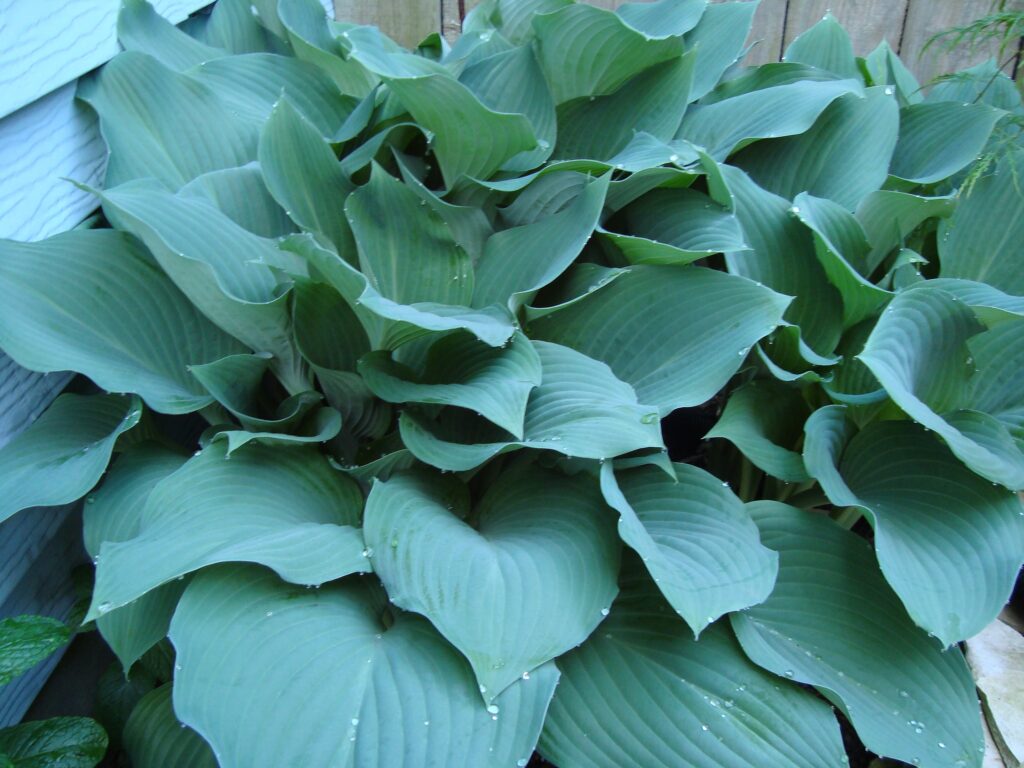
Many hostas, especially those with blue‑colored leaves, feature a waxy coating known as bloom. This coating serves as a natural sunblock, protecting the leaves from sunburn and giving them that distinctive blue hue. However, this layer is fragile and can be washed away by heavy rainfall or melted by prolonged exposure to direct sunlight. If this protective coating is removed, the leaves will lose their vibrant color and turn green or dull. To prevent this, ensure your blue-leafed hostas are planted in partial shade, away from areas prone to heavy rain or excessive sunlight.
Don’t Plant in Poor Soil
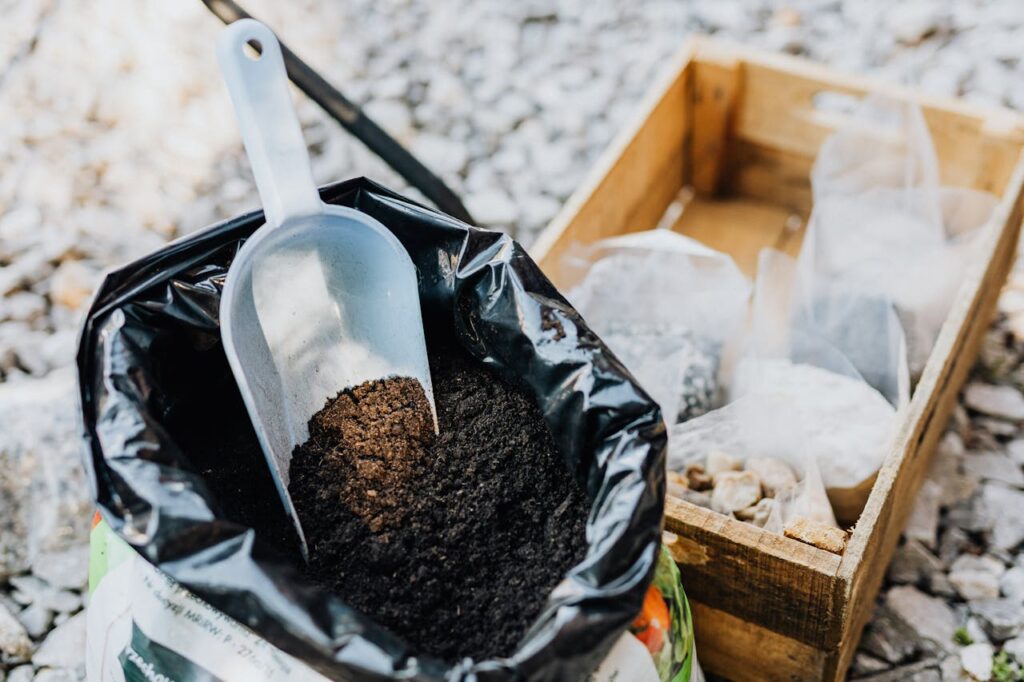
Soil quality is one of the most critical factors for successful Hosta growth. Hostas prefer rich, well-draining soil that is high in organic matter. If you plant them in heavy clay soil, the roots may become waterlogged, leading to root rot. On the other hand, sandy soil drains too quickly and dries out, making it difficult for hostas to absorb moisture. Ideal soil should retain enough moisture to keep the plant hydrated while still allowing proper drainage. If your soil is poor, amend it with compost or organic matter to improve its structure and nutrient content.
Don’t Choose Wind‑Exposed Locations
Hostas have large, broad leaves that are prone to wind damage. The wind can dry out the leaves, causing them to lose moisture faster than they can absorb it. Furthermore, strong gusts can tear or shred the delicate leaves, leaving them looking ragged. Choose a location that provides some protection from the wind, such as near a garden fence, under trees, or in a corner of your garden that shields the plants from high winds. This will help the hostas retain moisture and maintain their lush appearance.
Don’t Forget Moisture Retention
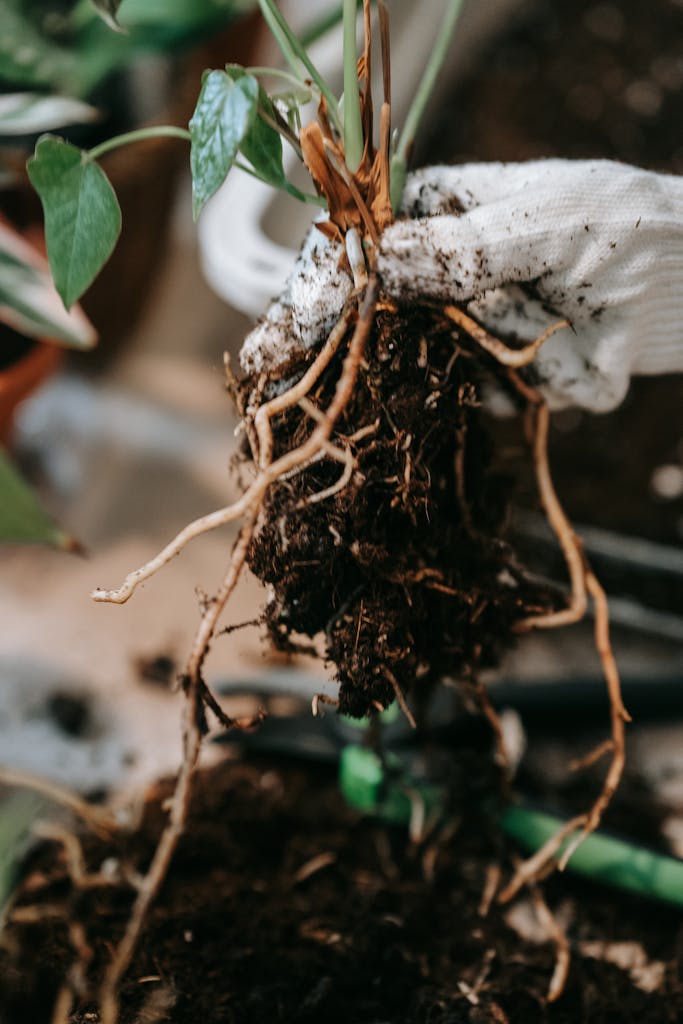
Hostas thrive in moist, well‑drained soil. However, their roots are relatively shallow, which means they need consistent moisture to prevent the soil from drying out. In hot weather, the leaves of hostas can wilt if they don’t get enough water, and the plant may fail to reach its full potential. Mulching around the base of your hostas helps conserve moisture and keeps the soil cool during hot spells. Regular watering, especially during dry periods, is essential, but be cautious not to overwater, as soggy soil can lead to root rot.
Don’t Place Them Too Close to Competing Plants
While hostas can coexist with other plants, they need ample space to grow and spread. Planting hostas too close to aggressive plants or trees can lead to competition for nutrients, water, and sunlight. For instance, deep-rooted trees like maples or oaks may draw moisture and nutrients from the soil, making it harder for your hostas to thrive. Additionally, crowding hostas too closely together can stunt their growth and reduce air circulation, which increases the risk of fungal diseases. Make sure to plant your hostas in a location with enough room for their roots to expand and their leaves to grow freely.
Conclusion
Growing hostas can be a rewarding experience, as these plants offer a fantastic way to add texture and color to shaded areas in your garden. However, if you make the wrong choices about their planting location and care, you may find your hostas struggling to thrive. By avoiding common mistakes, such as planting them in harsh sunlight, ignoring soil quality, or failing to protect them from wind, you can ensure that your hostas grow strong and healthy. With a little attention to detail and proper care, your hostas will flourish and provide beautiful foliage for years to come.