Sitting can quietly take over your day before you even notice it. You sit for breakfast, sit in traffic, sit at work, sit through meetings, sit while scrolling, and then sit again to relax at night. The problem is that your body wasn’t built to stay in one position for hours.
The good news is that you do not need a full gym session to move more throughout the day. Small movements count, especially when you repeat them often. These simple changes can help you break the sitting habit without turning your schedule upside down.
Waiting for a Full Workout Before You Move
One of the biggest mistakes people make is thinking movement only matters when it looks like exercise. If you cannot do a 30-minute workout, you may end up doing nothing. That mindset keeps many people stuck in a cycle of long sitting and low energy.
Instead, treat movement like small snacks throughout the day. Walk for five minutes after lunch, do a few squats before your shower, or take a quick lap around the room between tasks. These tiny bursts make your body feel more awake and help you move more throughout the day without pressure.
Staying Frozen in Your Chair for Hours
A chair can feel harmless, but sitting still for too long makes your body stiff and sluggish. Your shoulders round forward, your hips tighten, and your legs barely get a chance to work. By the end of the day, even simple movement can feel harder than it should.
You do not need to leave your desk every time. Try shoulder rolls, neck stretches, wrist circles, seated leg lifts, or heel raises while you work. These small seated movements help your body stay active even during busy work hours.
Ignoring Stand-Up Breaks
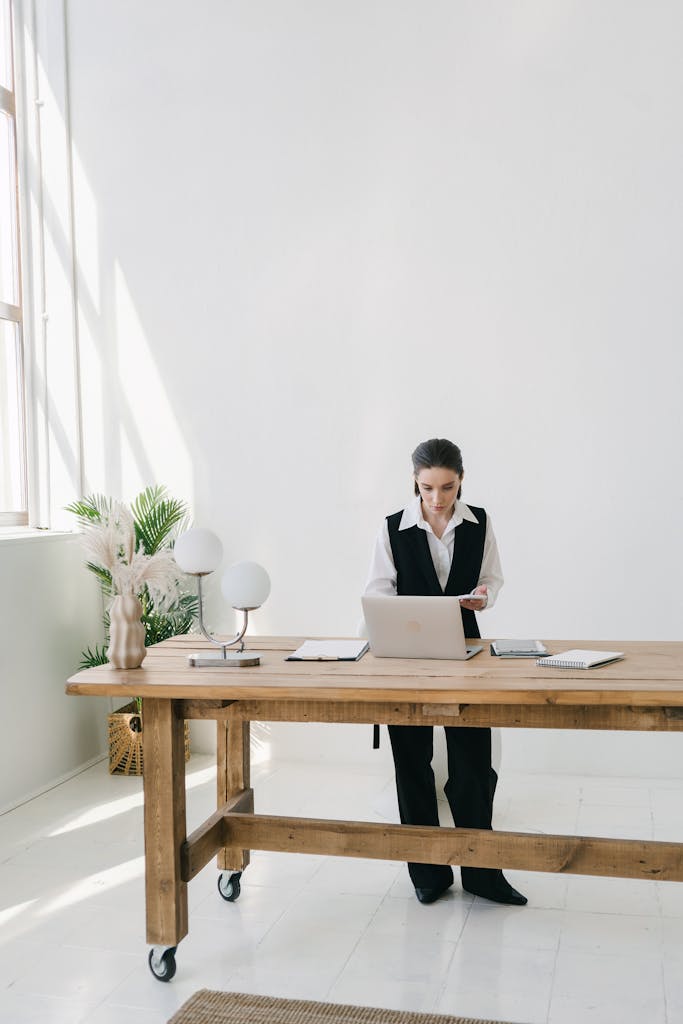
Many people silence smartwatch alerts or ignore the feeling that they need to get up. The problem is that one workout later in the day does not completely erase hours of stillness. Your body needs regular breaks from sitting to keep blood flowing and muscles engaged.
Set a simple reminder to stand every 45 to 60 minutes. Use that moment to stretch, refill your water, walk to another room, or do a few standing calf raises. It may feel small, but these breaks add up quickly.
Making Everything Too Convenient
Convenience saves time, but it can also steal movement from your day. Delivery apps, elevators, drive-throughs, rolling chairs, and one-trip grocery hauls all reduce the number of steps you take. Over time, your daily routine becomes easier for your schedule but harder on your body.
Make life slightly less convenient on purpose. Park farther from the entrance, take the stairs when possible, carry groceries in two trips, or walk inside instead of using the drive-through. These little choices help you build movement into normal life.
Sitting Through Tasks You Could Do While Moving

Many daily tasks do not actually require sitting. Phone calls, voice notes, podcasts, audiobooks, and casual scrolling can all happen while you walk or stretch. The issue is that sitting becomes the default, even when your body could easily be moving.
Try pairing movement with something you already do. Walk during calls, stretch while watching TV, march in place during a short video, or pace while listening to a podcast. This makes movement feel natural instead of like another item on your to-do list.
Using Your Desk as an Excuse to Stay Still
Desk work can trap you in one position for hours, especially when you are focused. A standard desk setup encourages the same posture every day, which can lead to tightness and fatigue. Even good posture gets uncomfortable when you never change positions.
Switch things up during the day. Stand for part of a meeting, use a counter for a short work session, or shift between sitting and standing if you have an adjustable desk. Your goal is not to stand all day, but to avoid staying locked in one position.
Forgetting That Hydration Can Make You Move
Drinking more water does more than support hydration. It naturally creates movement because you have to refill your glass and take bathroom breaks. That may sound simple, but it is an easy way to add steps without planning a workout.
Keep a smaller water bottle or glass nearby instead of a huge jug. That way, you need to get up more often to refill it. It is a small trick, but it turns hydration into a built-in movement reminder.
Overlooking Bodyweight Moves at Home or Work
Many people think they need equipment to exercise. That belief creates another excuse to stay still. In reality, your own body weight is enough for quick movement breaks almost anywhere.
Try wall push-ups, chair sit-to-stands, gentle lunges, air squats, or step-ups on a sturdy step. Do a few reps when you finish a task, before meals, or after a bathroom break. These movements wake up your muscles and help you feel more energetic without needing workout gear.
Conclusion
Moving more throughout the day does not have to mean changing your whole life. The real goal is to interrupt long periods of sitting and give your body more chances to stretch, stand, walk, and reset. Small movements may look simple, but they can make your day feel lighter and less draining.
Start with one habit that feels easy. Stand once every hour, walk during phone calls, stretch at your desk, or take the stairs when you can. The more often you choose movement, the less your day feels ruled by the chair.