You drink the water. You refill the bottle. You even give yourself a little mental pat on the back for being a responsible adult. Then, somehow, your mouth still feels dry, your head feels foggy, your energy drags, and your body acts like it never got the hydration memo.
That annoying “why am I still thirsty?” feeling is more common than people think. Hydration is not just about pouring water into your body. Your body also needs minerals, timing, food, balanced habits, and sometimes medical attention to actually use that water properly. Drinking water helps prevent dehydration, which can affect thinking, mood, body temperature, digestion, and kidney health, but water alone does not fix every cause of fluid imbalance.
You Are Missing Electrolytes, Not Just Water
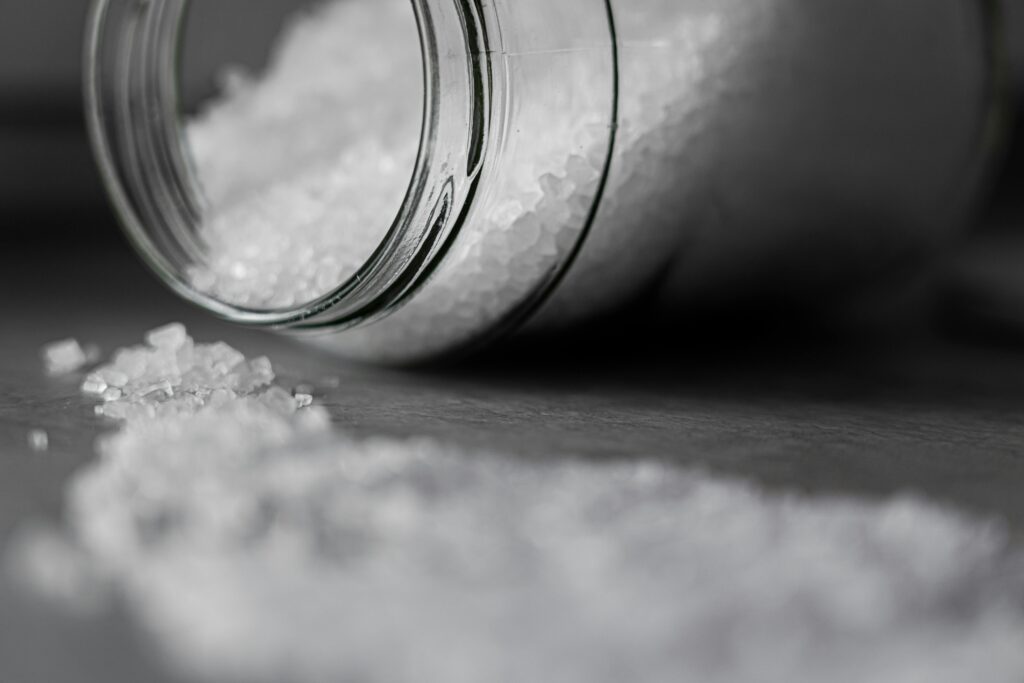
One of the biggest hydration traps is thinking plain water is always enough. Your body also needs electrolytes, such as sodium, potassium, magnesium, calcium, and chloride, to help regulate fluid balance, muscle function, nerve signals, and normal body chemistry. Electrolytes help control how fluid moves in and out of your cells, which means they play a major role in whether the water you drink actually helps you feel hydrated.
This becomes especially important after sweating, vomiting, diarrhea, intense workouts, or long hours in hot weather. You may drink a full bottle of water and still feel drained because you replaced fluid but not the minerals lost with it. That does not mean everyone needs sports drinks all day. It means meals matter. Soups, fruits, vegetables, yogurt, nuts, seeds, and balanced salty foods can support hydration better than plain water alone when your body has lost minerals.
You Are Drinking Too Much Water Too Fast
Chugging water can feel productive, but your body does not work like a storage tank. If you drink a huge amount in one sitting, your kidneys may simply push much of it out through urine. That can leave you running to the bathroom without feeling truly refreshed.
There is also a more serious side to overdoing it. Drinking excessive amounts of water can dilute blood sodium levels, especially during endurance exercise or heavy sweating. Low sodium levels can cause symptoms such as nausea, headache, confusion, weakness, and, in severe cases, medical emergencies. The smarter move is steady hydration across the day. Sip regularly, pair water with meals, and avoid treating hydration like a race you need to finish before noon.
You Are Sweating More Than You Realize

Sweat is sneaky. You may notice it during a workout, but you may miss it during errands, housework, gardening, commuting, cooking in a hot kitchen, or sleeping in a warm room. Your body loses water through sweat, and hot or humid weather increases that fluid loss. Vigorous activity without adequate fluid replacement can quickly lead to dehydration.
The frustrating part is that you can still drink water and still fall behind if your body keeps losing more than you replace. This is common during summer, after exercise, or when you wear heavy clothing in warm environments. Dark urine, dry lips, fatigue, headache, and muscle cramps can be clues that your sweat losses are winning. On high-sweat days, drink before you feel desperate, eat water-rich foods, and consider electrolyte-rich meals if you have been sweating heavily.
Your Meals Are Too Salty or Too Low in Water
Food can quietly change how hydrated you feel. A very salty meal can make you thirsty because sodium affects fluid balance. Think chips, processed meats, instant noodles, fast food, canned soups, pizza, and heavily seasoned snacks. You may drink water afterward, but your body may still feel like it is trying to rebalance everything.
At the same time, eating very dry meals all day can backfire. Your total fluid intake comes from both drinks and foods, and water-rich foods like fruits, vegetables, soups, oatmeal, and yogurt can help you stay hydrated. Harvard Health notes that total daily water needs include fluid from drinks and foods, with average total intake around 15.5 cups for men and 11.5 cups for women, although individual needs vary by diet, activity, climate, and health. A dry breakfast, salty lunch, and packaged dinner can leave you feeling thirsty even after several glasses of water.
Your Coffee, Alcohol, or Sugary Drinks Are Crowding Out Real Hydration
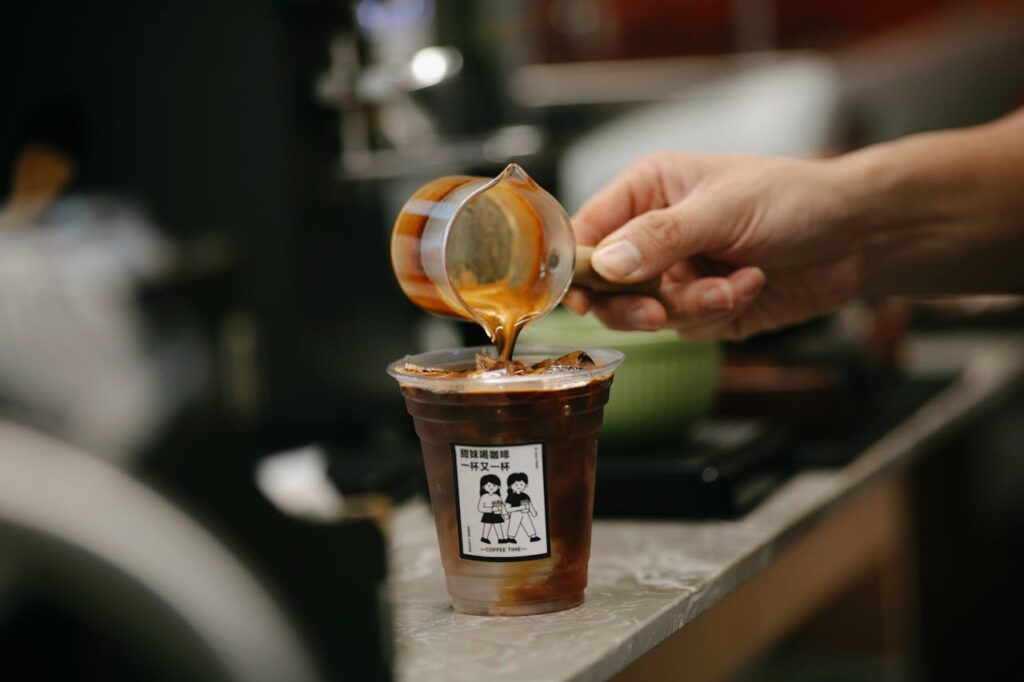
Many people count every drink as “hydration,” then wonder why their body still feels off. Coffee and tea can contribute fluids, but relying on caffeine all day may make you urinate more often, especially if you are sensitive to it. Alcohol is even trickier because it can increase fluid loss and leave you waking up with dry mouth, headache, and that heavy, thirsty feeling.
Sugary drinks can also make hydration feel messy. Soda, sweet tea, energy drinks, and large sweetened coffees may add fluid, but they can also come with caffeine, lots of sugar, and calories that do not support steady energy. Water is still the simplest choice for daily hydration, and replacing sugary drinks with water can reduce calorie intake. You do not have to quit your favorite drinks completely. You just need to stop letting them take over the space where plain water and nourishing meals should be.
You Are Sick, Even If It Seems Minor
A mild illness can drain you faster than you expect. Fever, diarrhea, vomiting, and poor appetite all make hydration harder. Mayo Clinic notes that sudden diarrhea can cause rapid water and electrolyte loss, and vomiting with diarrhea can further increase the loss. Fever can also worsen dehydration because the body loses more fluid as the temperature rises.
This is why “I drank water” may not be enough when your stomach is upset or your body is fighting an infection. You may need smaller, more frequent sips, oral rehydration solutions, broth, ice chips, or electrolyte support, depending on the situation. If you cannot keep fluids down, feel dizzy, have confusion, have very dark urine, or barely urinate, do not treat it like ordinary thirst. Those signs may indicate that your body needs medical help.
Your Medications May Be Pulling Fluid Out of You
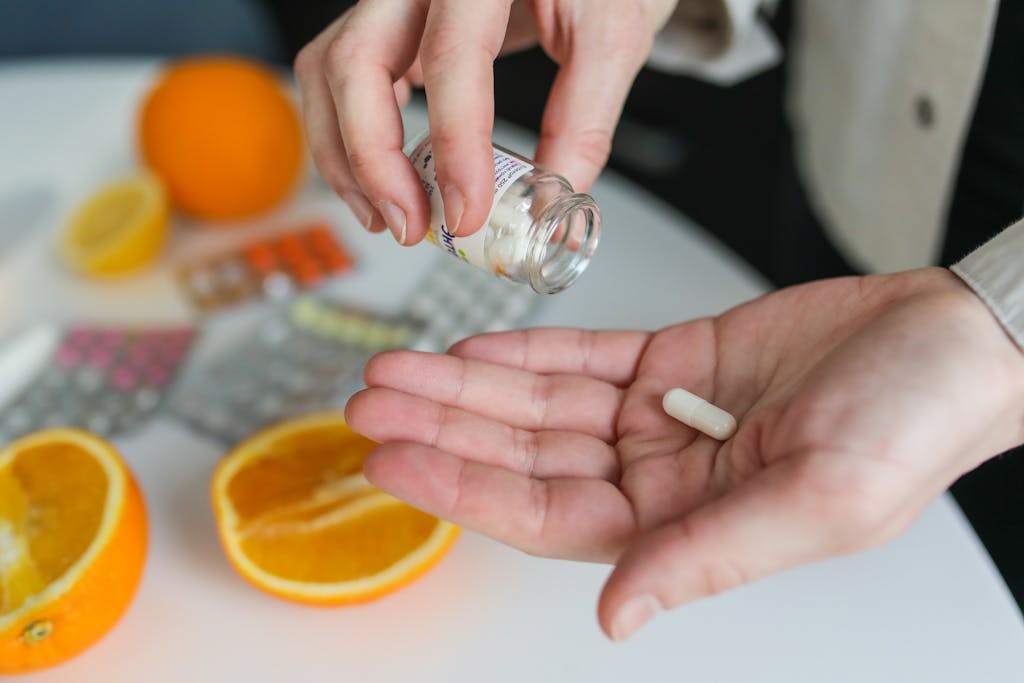
Sometimes the problem is not your water bottle. It is what your body is being asked to do by medication. Diuretics, often called water pills, help the kidneys remove extra salt and water through urine. They are commonly used for blood pressure and fluid-related conditions, but they can also increase the risk of dehydration if fluid intake and health status are not managed carefully.
Mayo Clinic also notes that certain medicines, including diuretics and some blood pressure medications, can lead to dehydration because they increase urination. This does not mean you should stop taking prescribed medicine. It means persistent thirst, dizziness, dry mouth, weakness, or frequent urination deserves a conversation with a healthcare professional. Your doctor may need to review your dose, timing, kidney function, blood pressure, or electrolyte levels.
Your Blood Sugar or Another Health Issue May Be Involved
If you constantly feel thirsty even after drinking water, especially if you are also urinating often, feeling unusually tired, losing weight unexpectedly, or dealing with blurry vision, your body may be signaling something deeper. Increased urination can occur with undiagnosed or uncontrolled diabetes, and that fluid loss can contribute to dehydration.
Other health issues can also affect thirst, urination, fluid balance, and electrolyte levels. Kidney problems, hormone issues, digestive conditions, and some infections can make hydration more complicated than “drink more water.” This is where paying attention matters. Occasional thirst after salty food or a sweaty day is normal. Constant thirst that interrupts sleep, frequent urination, or lack of improvement with steady hydration should be checked. Your body may be asking for more than another glass.
You Are Ignoring the Timing of Hydration
Hydration works better as a rhythm than a rescue mission. Many people go hours without drinking, then suddenly drink a lot once they feel awful. By that point, the body may already be dealing with headache, sluggishness, dry mouth, or darker urine. Mild to moderate dehydration can present as thirst, a dry or sticky mouth, reduced urination, darker yellow urine, headache, and muscle cramps.
The fix is boring but powerful. Drink earlier in the day, keep water nearby, sip before workouts, drink after bathroom trips, and pair fluids with meals. If plain water feels dull, add lemon, cucumber, berries, mint, or a splash of juice. You can also build hydration into food by eating oranges, watermelon, cucumbers, soups, smoothies, and leafy greens. Your body usually responds better to steady support than last-minute panic drinking.
Conclusion
Feeling dehydrated after drinking water does not mean water has failed you. It usually means something else is happening behind the scenes. You may be low on electrolytes, sweating more than you realize, drinking too much too quickly, eating very salty meals, recovering from illness, taking medications that increase urination, or dealing with a health issue that needs attention.
The best hydration plan is not dramatic. It is steady, balanced, and realistic. Drink water throughout the day, eat fluid-rich foods, replace minerals after heavy sweating or stomach illness, and pay attention to urine color, energy, dizziness, and thirst patterns. Most everyday dehydration responds to smarter habits, but persistent thirst deserves respect. Your body is not being difficult. It is giving you clues, and the sooner you listen, the better you will feel.