Aeroponic towers represent the cutting edge of modern gardening, combining innovative technology, sustainability, and efficiency for home growers who want to maximize space, minimize resource use, and achieve faster growth. With the growing trend of sustainable living, these vertical, soil-free garden systems have quickly gained popularity. This article delves into why aeroponic towers are the smartest choice for modern home gardening.
What is an Aeroponic Tower?

Aeroponics is a method of growing plants without soil, where roots are suspended in air and nourished by a fine mist of nutrients. Aeroponic towers take this concept to new heights, offering a vertical system that optimizes space while delivering nutrients directly to plant roots. The result? Faster growth, cleaner harvesting, and an eco-friendly solution for those looking to grow food in compact environments.
Aeroponic Towers vs. Traditional Growing Methods
One of the key benefits of aeroponic towers is that they bypass the need for soil, which often harbors pests, diseases, and weeds. In an aeroponic tower, plants receive hydration and nutrients through a precise misting system that coats their roots directly. This method uses significantly less water than traditional soil-based gardening, making it a highly sustainable option for water-conscious growers.
How Do Aeroponic Towers Work?

Aeroponic towers operate by suspending plant roots in the air while nutrient-rich mist is periodically sprayed over them. This system provides optimal oxygen exposure, accelerating growth. Unlike traditional hydroponic systems, which submerge roots in water or a nutrient solution, aeroponics delivers nutrients directly via mist, enabling faster, more efficient absorption.
The system is highly customizable, with mist cycles typically ranging from 5–10 seconds every few minutes, depending on the plant’s needs. This ensures that the plants are consistently nourished and receive enough oxygen to thrive.
Key Advantages of Aeroponic Towers

1. Faster Plant Growth
Aeroponic towers promote faster plant growth, up to 60% faster than traditional soil methods. With continuous exposure to oxygen and efficient nutrient absorption, plants can grow rapidly, making aeroponics a perfect solution for those looking to yield more in less time.
2. Water Efficiency
Water conservation is a significant concern in modern gardening. Aeroponic towers reduce water usage by up to 95% compared to soil-based gardening, and even outperform traditional hydroponic systems in water conservation. The closed-loop system recycles water and nutrients, ensuring minimal waste.
3. Cleaner Harvests
Because aeroponic systems don’t involve soil, there’s no risk of soil-borne diseases or pests. This results in cleaner plants that are easier to rinse and prepare for consumption. For those who prioritize food purity, aeroponics is an excellent choice.
4. Space Optimization
Aeroponic towers are vertically designed, allowing for maximum plant density in a small footprint. This makes them ideal for apartments, kitchens, or balconies where space is limited but the desire for fresh, homegrown produce is strong.
What Can You Grow in an Aeroponic Tower?
Aeroponic towers excel with shallow-rooted, fast-growing plants. Some of the most popular crops include:
- Leafy Greens: Lettuce, spinach, kale, arugula, bok choy
- Herbs: Basil, parsley, cilantro, mint
- Strawberries
- Compact Vegetables: Small peppers, cherry tomatoes, and small varieties of cucumbers
Aeroponic systems can also be adapted for more advanced growers who want to experiment with other plants, as long as they have shallow root systems. Deep-root crops, such as carrots or potatoes, are not suitable for aeroponics.
Key Difference Between Aeroponics and Hydroponics
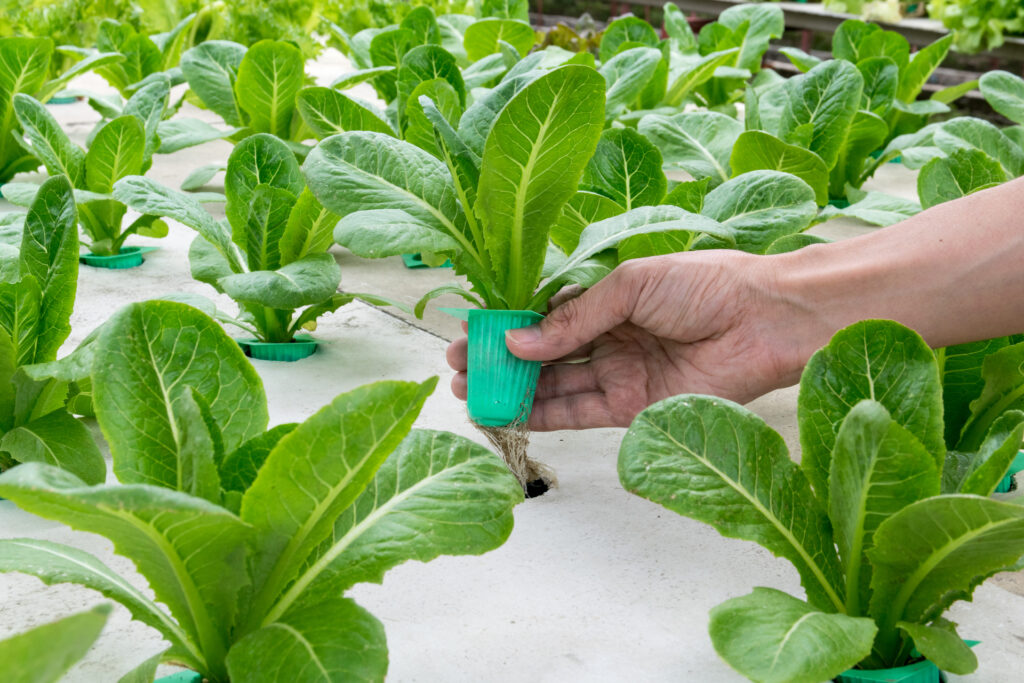
Aeroponics and hydroponics are both innovative, soil-free techniques for growing plants, but they differ significantly in how they deliver nutrients, manage water, and support plant growth.
In aeroponics, plants are suspended with their roots exposed to air, where a fine mist of nutrients is sprayed directly onto them. This high exposure to oxygen accelerates growth, making it up to 60% faster than traditional soil-based cultivation. Additionally, water usage is extremely low, and minimal waste is generated, making it an environmentally efficient option. However, the system requires moderate maintenance, particularly in cleaning the nozzles to prevent clogs.
On the other hand, hydroponics involves partially submerging plant roots in a nutrient-rich water solution, either through flooding or dripping. While the growth speed is also faster than soil, around 30-50% faster, it’s slightly slower than aeroponics. Water usage is still lower than traditional soil gardening but higher than in aeroponics. Hydroponic systems are generally easier for beginners and require less maintenance, making them a more accessible option for those new to soilless gardening.
Setting Up Your Aeroponic Tower
Setting up an aeroponic tower is easier than it sounds. Here’s a step-by-step guide to get you started:
1. Choose the Right Location
Select a spot that receives plenty of natural light or where you can install grow lights. The location should also have power access for the pump and misting system.
2. Assembly and Setup
Nutraponics’ aeroponic towers come with modular components that snap together easily. Once assembled, fill the reservoir with water and add the necessary hydroponic-grade nutrients.
3. Insert Plants
Place seedlings in net pots or rockwool cubes and slot them into the tower’s grow sites. Make sure they’re securely in place before activating the misting system.
4. Programming and Calibration
Set the misting cycles based on your plants’ needs, and program any optional LED lights to ensure they receive the proper light for photosynthesis.
5. Ongoing Maintenance
Monitor the system regularly to ensure the misting nozzles are working properly and the water level is adequate. Clean the nozzles every few cycles to prevent clogs, and flush the system every 3–4 weeks to maintain efficiency.
Aeroponic Towers for Sustainable Living
Aeroponic towers are not just a solution for faster plant growth—they’re also an environmentally friendly choice. By reducing water consumption, eliminating the need for pesticides, and offering a low-carbon footprint food production system, these towers are a perfect fit for anyone interested in sustainability.
Environmental Benefits:
- Water Conservation: Use less water than traditional soil gardening.
- No Pesticides: Grow food without harmful chemicals or pesticides.
- Low Carbon Footprint: By growing food at home, you reduce the need for transportation and packaging.
Aeroponic towers are the future of home gardening, offering faster growth, cleaner harvesting, and lower water use, all within a compact, sleek design. Whether you’re an advanced grower seeking efficiency or a beginner seeking an easy setup, aeroponic towers offer a versatile, sustainable solution for growing your own food at home.