Money often disappears not from big mistakes, but from small, lazy habits that feel harmless. Forgotten subscriptions, late fees, quick takeout, or ignored bills can quietly make life more expensive.
For adults juggling work, family, and rising bills, these tiny choices add up faster than expected. Most people do not notice the damage right away.
Balances drop slowly, debt grows quietly, and budgets feel tighter. Here are seven lazy money habits quietly making life more expensive.
Paying for Subscriptions You Forgot About

A streaming app may cost less than dinner, so it feels easy to ignore. But three, four, or five unused subscriptions can slowly eat into your monthly budget.
Many people keep paying because canceling feels annoying, or because they think they might use the service again someday. The fix is simple.
Check your bank statement once a month and cancel anything you no longer use. A forgotten $12 charge may look small, but money becomes powerful when it stops leaking.
Ordering Delivery Too Often
Food delivery can feel like a lifesaver after a long day. The trouble comes when it becomes the default plan rather than the backup plan. Delivery fees, service fees, tips, and higher menu prices can turn a simple meal into a budget problem.
The Bureau of Labor Statistics reported that average food-away-from-home spending reached $3,945 in 2024. That does not mean people should never eat out, but it does show how quickly eating out can become a major household cost.
Letting Late Fees Pile Up
Late fees are one of the most painful ways to waste money. You already owed the bill, and then the fee makes it worse. A late payment can also hurt your credit if it goes far enough.
Autopay can help, but only if there is enough money in the account. A better habit is setting phone reminders a few days before bills are due. Paying on time may not feel exciting, but it protects your money from avoidable damage.
Using Buy Now, Pay Later Without Tracking It
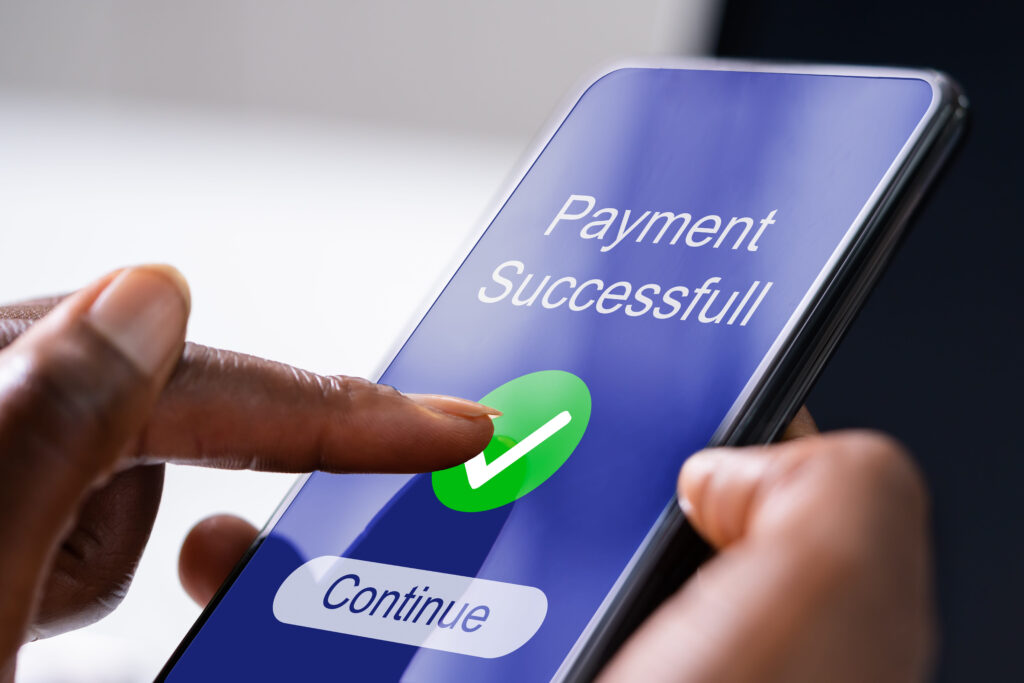
Buy now, pay later can make spending feel small. A $120 purchase becomes four payments of $30, and that sounds easier. The problem starts when several small payment plans stack up at the same time.
In 2025, Bankrate reported that about half of buy now, pay later users had experienced at least one issue, including overspending or missing a payment. That is the trap. The payment looks tiny until your future paycheck is already spoken for.
Shopping Without Checking What You Already Have
Many households waste money by buying what is already at home. Another bottle of cleaner. Another bag of rice. Another shirt that looks like one already in the closet. It happens because checking first takes time.
Before shopping, take two minutes to look in the pantry, fridge, bathroom cabinet, or closet. This one habit can stop duplicate buying. It also helps you use what you already paid for.
Keeping Money in the Wrong Place
Some people leave all their savings in a basic account that earns almost nothing. Others keep too much money in checking, where it is easy to spend. The money is there, but it is not working hard.
This does not mean taking big risks. It simply means being thoughtful. Emergency money should stay safe and easy to reach, but extra savings may do better in an account with stronger interest. Lazy banking can quietly cost you money every month.
Ignoring Small Price Increases

A few dollars more for groceries, insurance, phone plans, and internet may not seem serious at first. But small price increases can become the new normal if nobody checks them. Companies often count on people being too busy to notice.
Review your regular bills every few months. Compare plans, ask for discounts, and remove extras you do not need. You may not win every time, but ignoring price creep guarantees you keep paying more.
Key Takeaway
Lazy money habits do not usually destroy a budget overnight. They work slowly. They hide inside convenience, forgetfulness, and “I’ll deal with it later.”