Hydroponic gardening has rapidly grown in popularity, transforming how individuals grow food at home. Whether you’re an experienced gardener looking to try something new or a complete beginner, hydroponic gardening offers a range of benefits, including faster growth, higher yields, and year-round production.
This guide walks you through everything you need to know to start your hydroponic garden from scratch, so you can grow fresh produce without soil.
What is Hydroponic Gardening?
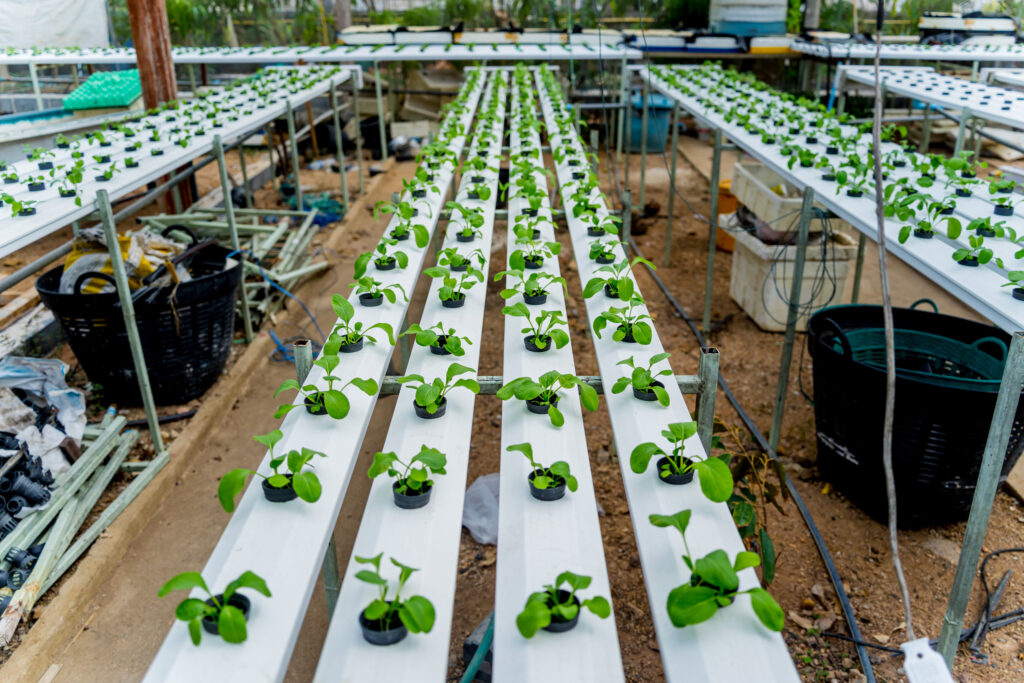
At its core, hydroponic gardening is a method of growing plants without soil, using water enriched with nutrients to nourish them. This technique allows for faster growth rates, more efficient use of resources, and fewer pest problems, making it a perfect solution for home gardeners with limited space or those looking to grow indoors. By directly providing plants with the nutrients they need, hydroponic systems eliminate the inefficiency of traditional soil-based methods, resulting in healthy, productive plants year-round.
The Science Behind Hydroponics
In traditional soil-based gardening, plants need to extend their roots into the soil to absorb water and nutrients. This takes time and energy. Hydroponic gardening eliminates this inefficiency by providing a direct, constant supply of water and nutrients to the roots, allowing plants to focus solely on growth. This approach leads to:
- Faster growth: Plants in hydroponic systems grow 25-50% faster than those in soil.
- Higher yields: The ability to control nutrient levels and growing conditions results in higher yields.
- Water conservation: Hydroponic systems use up to 90% less water compared to traditional gardening methods.
- No soil-borne diseases: Without soil, plants are not exposed to common pests or diseases.
- Better control: You have complete control over the environment, ensuring optimal growing conditions.
Key Benefits of Hydroponic Gardening

Hydroponics is not just a novel gardening trend; it offers several benefits that make it an attractive option for beginners:
- Faster growth: Plants grow more quickly in hydroponic systems because they have direct access to water and nutrients.
- Less mess: No soil means no dirt to deal with, making it a cleaner gardening method.
- Predictable outcomes: By controlling the environment, you can reduce variables and achieve consistent results.
- Year-round gardening: Hydroponic systems can be used indoors, enabling continuous growing year-round.
- Space efficiency: Hydroponic setups can be more space-efficient than traditional gardening, especially with vertical systems.
- Educational value: Hydroponic gardening allows you to learn about plant biology, water chemistry, and nutrient management in a hands-on way.
Understanding the Basics
Before setting up your hydroponic garden, it’s important to understand some basic concepts that will help you succeed:
Nutrients
Plants need three primary nutrients, nitrogen (N), phosphorus (P), and potassium (K), along with several secondary nutrients and micronutrients. These nutrients are dissolved in the water, and plants absorb them directly through their roots. Key nutrients include:
- Nitrogen (N): Promotes healthy leaf growth.
- Phosphorus (P): Supports root development and flower production.
- Potassium (K): Strengthens plant resistance to diseases and stress.
pH
pH levels in hydroponic solutions determine how effectively plants can absorb nutrients. Maintaining the right pH range is crucial for healthy plant growth:
- Ideal pH range: 5.5-6.5 for most plants.
- Too high or low: pH levels that are too high or too low can cause nutrient imbalances or damage plant roots.
Electrical Conductivity (EC)
EC measures the strength of the nutrient solution, reflecting the concentration of dissolved nutrients:
- Vegetative growth: 1.2-1.6 EC.
- Flowering and fruiting: 1.6-2.0 EC.
Monitoring and adjusting EC levels ensure your plants receive the correct amount of nutrients at every stage of growth.
Choosing the Right Hydroponic System for Beginners

There are several types of hydroponic systems, each with its unique advantages and requirements. Here’s a quick look at the most beginner-friendly options:
DWC is the most straightforward system for beginners. The plant roots are suspended in an oxygenated nutrient solution, with an air pump supplying a constant supply of oxygen. This system requires minimal components and is low-maintenance, making it ideal for beginners.
- Best for: Leafy greens, herbs, and smaller plants.
- Pros: Simple setup, fast growth, low maintenance.
Nutrient Film Technique (NFT)
In NFT, a thin film of nutrient solution flows over plant roots, ensuring constant access to water and nutrients. It’s a water-efficient system that’s also scalable for larger setups.
- Best for: Lettuce, herbs, strawberries, and vine crops.
- Pros: Water-efficient, easy to expand, professional-looking setup.
Ebb and Flow (Flood and Drain)
The ebb-and-flow system periodically floods the plant roots with nutrient solution, then drains it back to the reservoir. This cycle repeats several times a day, allowing for effective nutrient distribution.
- Best for: Larger plants, vegetables, and mixed gardens.
- Pros: Versatile, forgiving, works with various media types.
Drip Systems
Drip systems use individual drip lines to deliver nutrients directly to each plant. This method allows for precise control over how much nutrient solution each plant receives.
- Best for: Larger plants, such as tomatoes and peppers.
- Pros: Precise nutrient delivery, scalable, and reliable.
Essential Equipment for Hydroponic Success
To get started with hydroponic gardening, you’ll need the right tools and equipment. Here’s what you’ll need:
- Hydroponic system components: Reservoir, growing containers or channels, pumps, air pumps, and air stones.
- Measuring and testing tools: EC/TDS meter, pH meter, thermometer.
- Growing media: Rockwool cubes, hydroton, perlite, or coconut coir.
- Lighting: LED grow lights (full-spectrum) are recommended for their energy efficiency and longevity.
- Nutrients: Hydroponic-specific nutrient solutions (e.g., General Hydroponics Flora Series).
Best Plants for Hydroponic Gardening Beginners

As a beginner, it’s best to start with easy-to-grow plants. Here are some great options:
- Leafy greens: Lettuce (Butterhead, Romaine), arugula, spinach.
- Herbs: Basil, mint, parsley, cilantro.
- Quick-growing vegetables: Radishes, bok choy, kale.
These plants are hardy, grow quickly, and require minimal maintenance, making them perfect for beginners.
Step-by-Step Hydroponic Setup for Beginners
Setting up your first hydroponic garden can seem overwhelming, but with this simple process, you’ll be on your way to growing your own food in no time.
Preparation
- Assess your space: Measure the area where you’ll set up your garden. Ensure access to electricity and water, and plan for lighting and ventilation.
- Choose your system: Select a hydroponic system based on your space and budget.
- Order equipment: Ensure you have all necessary supplies, including the system, nutrients, and lights.
Assembly and Testing
- Assemble your system: Follow the instructions for setting up your hydroponic system.
- Test the system: Check the pumps, airflow, and lighting.
- Prepare the environment: Set the temperature, humidity, and light levels.
Planting and Initial Growth
- Start your seeds: Use rockwool cubes or other media.
- Maintain proper conditions: Ensure the right moisture, temperature, and lighting for optimal germination.
- Move seedlings to the system: Once sprouted, transfer your plants to the hydroponic system.
Growth and Maintenance
- Monitor plant health: Check for nutrient deficiencies and adjust pH and EC levels as necessary.
- Change nutrient solution: Refill and replace it regularly to ensure optimal growth.
- Maintain equipment: Regularly clean the system, check the pumps, and replace bulbs as needed.
Troubleshooting Common Hydroponic Problems
Even experienced gardeners face challenges. Here’s how to troubleshoot common issues:
- Yellowing leaves: Likely due to nitrogen deficiency or incorrect pH.
- Root rot: Caused by poor oxygenation or high water temperatures.
- Leggy plants: May be due to inadequate lighting.