Planting flowers and vegetables together in your garden can provide numerous benefits, from aesthetic appeal to improved plant health. One such combination that’s particularly rewarding is growing zinnias with tomatoes.
While both plants have similar growing conditions, their interactions can either enhance or hinder each other’s growth. In this guide, we’ll explore how to successfully pair zinnias with tomatoes and maximize the benefits of companion planting.
Why Zinnias and Tomatoes Make Great Companions
Complementary Growing Requirements
Zinnias and tomatoes share similar environmental needs, making them a natural pairing. Both plants thrive in full sun, requiring at least six hours of direct sunlight each day. Additionally, they both favor well-draining, moderately fertile soil. These shared growing conditions mean that when planted together, they are more likely to thrive than when planted with plants with different needs.
Tomatoes and zinnias also have compatible growth schedules: both are frost-sensitive and should be planted after the last frost. This allows them to grow alongside one another without competing for space or light during their critical establishment periods.
Enhancing Aesthetic Appeal
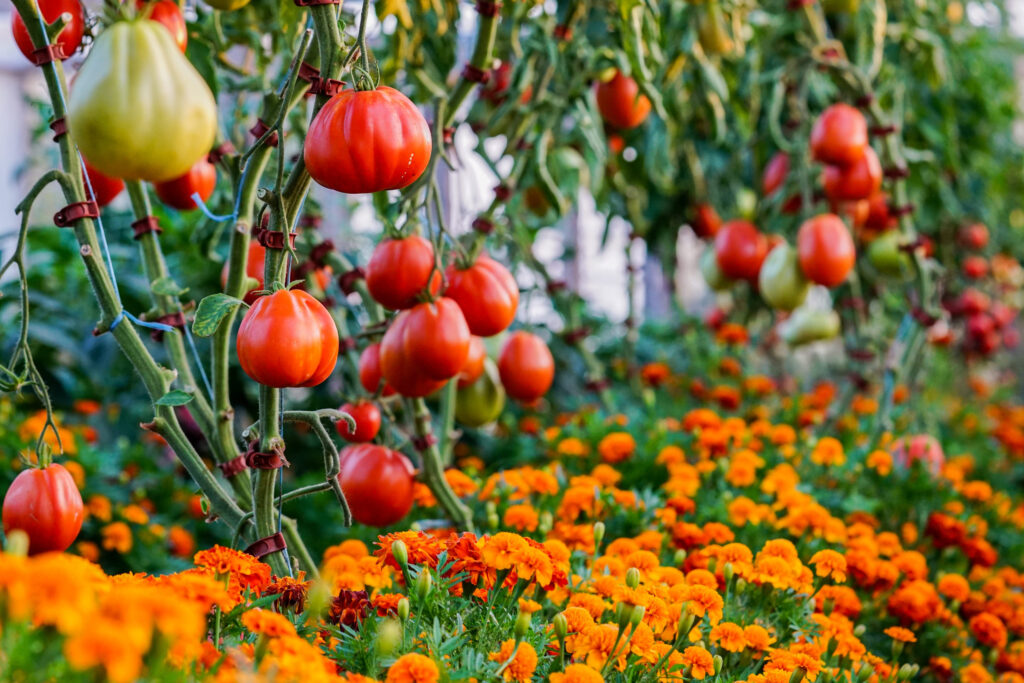
Zinnias are often chosen for their vibrant, colorful blooms, which can brighten up any garden. Their bright flowers contrast beautifully with the lush green foliage of tomato plants, creating a visually stunning garden space. The integration of zinnias adds a layer of interest to a vegetable garden, transforming it into a more inviting and dynamic environment.
Benefits of Growing Zinnias with Tomatoes

Attraction of Beneficial Insects
Zinnias are excellent at attracting beneficial insects that aid in pest control and pollination. Pollinators such as bees and butterflies are naturally drawn to zinnia flowers, which can help boost the pollination of nearby tomato plants. More importantly, zinnias attract predatory insects like ladybugs, parasitic wasps, and hoverflies, which help reduce populations of harmful pests like aphids, whiteflies, and spider mites.
By encouraging a diverse range of beneficial insects, zinnias create a more balanced ecosystem, helping your tomato plants remain healthy and productive. This symbiotic relationship can reduce the need for chemical pesticides, which can harm both the environment and beneficial insect populations.
Improved Soil Health
Zinnias are not only visually appealing but also beneficial to your soil’s overall health. These plants are known for their deep, fibrous root systems, which help aerate the soil and improve its structure. This allows for better water infiltration and root expansion for your tomatoes. In addition, zinnias can help prevent soil erosion, especially in areas with loose or sandy soil.
Continuous Blooming for Extended Garden Beauty
Zinnias are a cut-and-come-again flower, meaning that regular harvesting encourages more blooms throughout the growing season. This characteristic can add visual value to your garden by providing a continuous supply of colorful flowers for arrangements. Meanwhile, your tomatoes are growing and producing fruit, giving you the best of both worlds: beautiful flowers and a bountiful harvest.
Potential Problems to Consider When Growing Zinnias with Tomatoes
Overcrowding and Competition
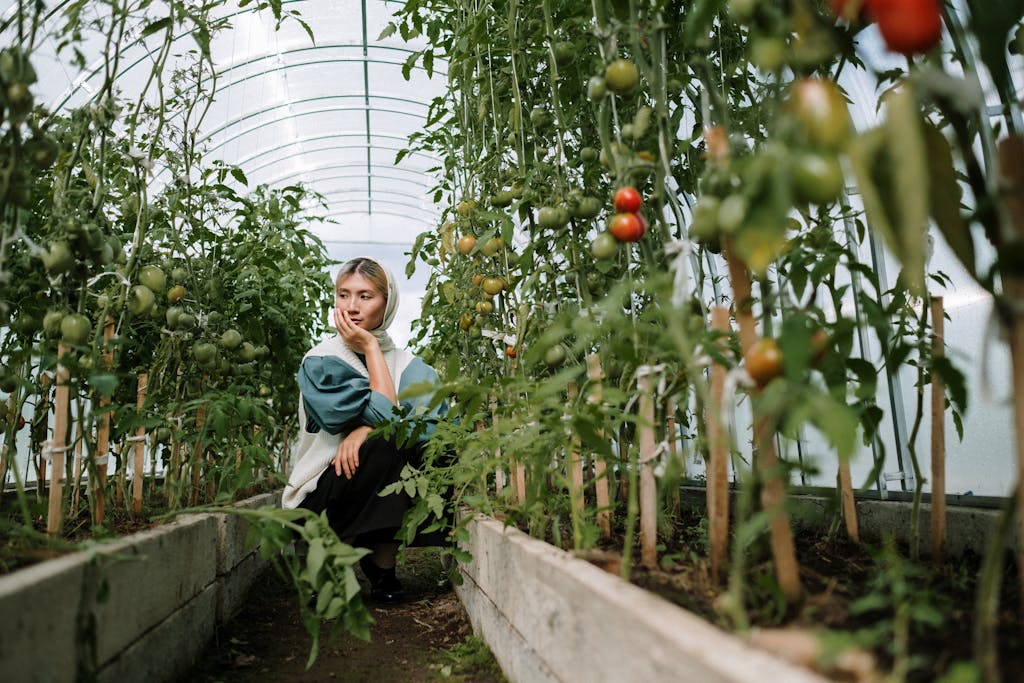
While zinnias and tomatoes share similar growing conditions, planting them too closely together can lead to competition for resources such as water, nutrients, and space. Zinnias, in particular, can have a bushy growth habit, which may shade tomato plants and reduce their access to sunlight. This is especially problematic when planting determinate tomato varieties, which are typically shorter and more compact.
To avoid overcrowding, ensure adequate spacing between plants. Ensure there is at least 18 inches between the root zones of zinnias and tomatoes to allow both plants to access nutrients and grow without interference. For container or raised bed gardens, careful spacing management is even more crucial.
Disease Risk from Shared Vulnerabilities
Both zinnias and tomatoes are susceptible to fungal diseases like powdery mildew and various leaf spots. Growing them together in humid or poorly ventilated conditions can encourage the spread of these diseases. To mitigate this risk, ensure proper air circulation around the plants and avoid overhead watering, which can keep the foliage damp and promote fungal growth.
How to Plant Zinnias with Tomatoes

Strategic Spacing for Success
When planting zinnias alongside tomatoes, the most important consideration is spacing. Zinnias should be planted around the perimeter of tomato beds rather than directly between the plants. This placement allows both species to thrive without competing for space or light. As a general rule, allow at least 18 inches between the root zones of each plant.
For shorter tomato varieties, such as determinate types, choose smaller zinnia varieties to avoid shading issues. Taller zinnia varieties, such as ‘Benary’s Giant,’ can be planted behind tomato rows, providing a stunning backdrop without impeding tomato growth.
Timing Matters
Start by establishing your tomato plants first. This gives them time to settle and grow strong roots before you introduce the zinnias. Zinnias can be added once your tomato plants are well-established, as they germinate and grow quickly, filling in the gaps as the season progresses.
Suggested Zinnia and Tomato Varieties
Zinnia Varieties
- Thumbelina: A compact zinnia variety that works well as a border planting. It produces small flowers in a variety of colors and remains manageable in size.
- Cut and Come Again: A reliable variety that offers continuous blooms in multiple colors. It works well for cut-flower gardens and as a backdrop for tomato plants.
- Benary’s Giant: Known for its large, vibrant flowers, this variety reaches up to 4 feet tall and is perfect for creating a striking backdrop behind taller tomato varieties.
Tomato Varieties
- Mountain Merit: A bush tomato variety that pairs well with smaller zinnias. This compact plant is ideal for container or raised bed gardens.
- Cherokee Carbon: An indeterminate variety that thrives when planted with taller zinnias. It produces large, flavorful fruits and complements the vibrant zinnia blooms.
- Chocolate Sprinkles: A cherry tomato variety that produces striped fruits throughout the growing season, adding a unique touch to your garden.
Growing zinnias and tomatoes together is a great way to enhance both the beauty and productivity of your garden. By following the tips for proper spacing, timing, and variety selection, you can create a vibrant, thriving garden that benefits from the symbiotic relationship between these two plants. With careful planning and attention, zinnias will not only add visual appeal but also enhance the overall health and productivity of your tomato plants.