Creating a tea garden sounds like a dream: a space brimming with vibrant, aromatic herbs, perfect for crafting fresh, homemade tea. However, without proper planning and understanding, this dream can easily turn into a garden full of overgrown plants, wilting herbs, and missed opportunities for relaxation. If you want your tea garden to thrive and truly serve as your serene retreat, here’s what to avoid.
Choosing the Wrong Spot
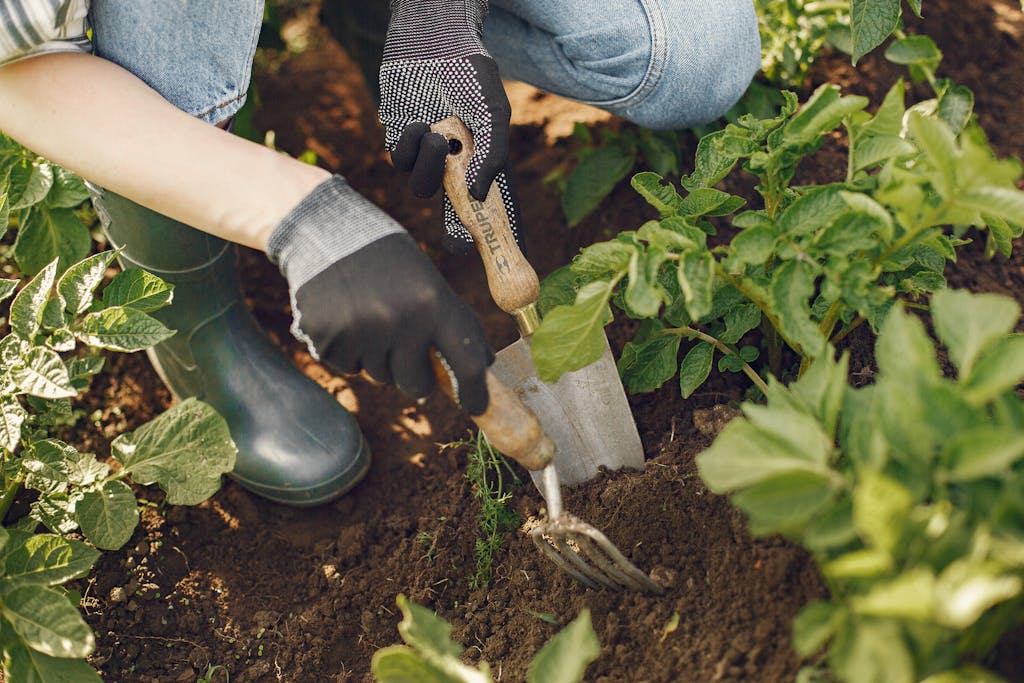
Choosing the wrong location for your tea garden is one of the biggest mistakes you can make. A tea garden needs plenty of sunlight for healthy growth. Without at least 6 hours of sunlight each day, your plants will struggle to thrive. Inadequate sunlight will result in weak, spindly plants that produce lackluster leaves for your tea. Plan to place your garden in a sunny spot, preferably with some afternoon shade for the hotter months. Be mindful of any shading from surrounding trees or buildings that might reduce sun exposure.
Forgetting to Create a Cozy Sitting Area
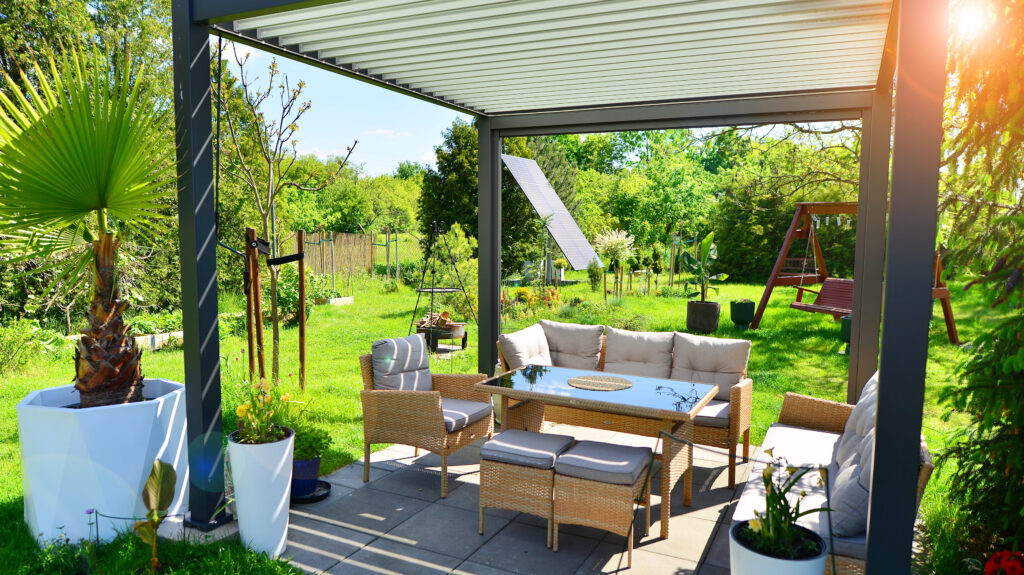
A tea garden is meant to be an oasis, not just a collection of plants. If you don’t have a comfortable seating area, you’ll miss out on the real joy that comes from sitting with a cup of tea surrounded by the beauty of your garden. You don’t need a full outdoor dining set; a simple bench or a few chairs with a small table will do wonders. Create a spot that invites you to relax, sip, and breathe in the calming atmosphere.
Ignoring Shade Needs for Comfort
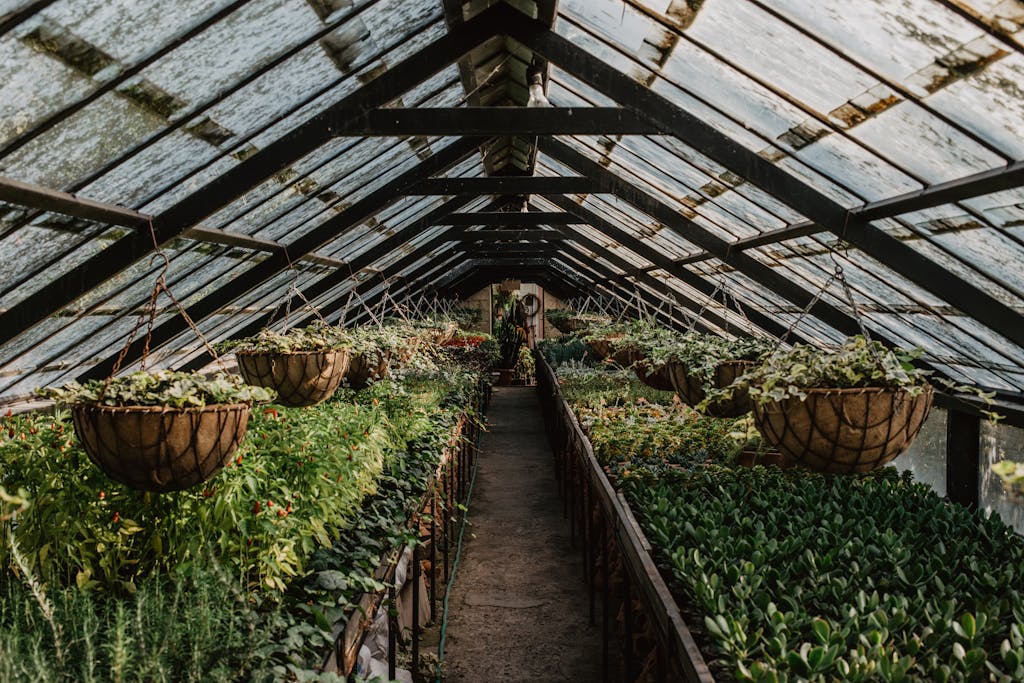
While sunlight is critical for tea plants, too much heat during summer can make your tea garden unbearable. A garden without shade can become harsh, especially in areas where temperatures soar. Consider adding shade elements like trellises, pergolas, or large umbrellas. A comfortable garden space should allow you to escape the sun while still offering the charm and beauty of an outdoor setting. A well-placed shade feature enhances the experience, making it perfect for sipping tea without sweating.
Skipping Decorative Relaxation Features
The ambiance of your garden plays a huge role in its charm. Decorative features like wind chimes, small sculptures, or a birdbath can bring a sense of tranquility and make your garden feel like a true sanctuary. Without these elements, your tea garden could feel plain and utilitarian. Small touches like a garden path, stone accents, or colorful flowers can enhance the sensory experience, making it even more inviting. Don’t underestimate the importance of visual appeal and atmosphere when designing your space.
Planting Without a Purpose
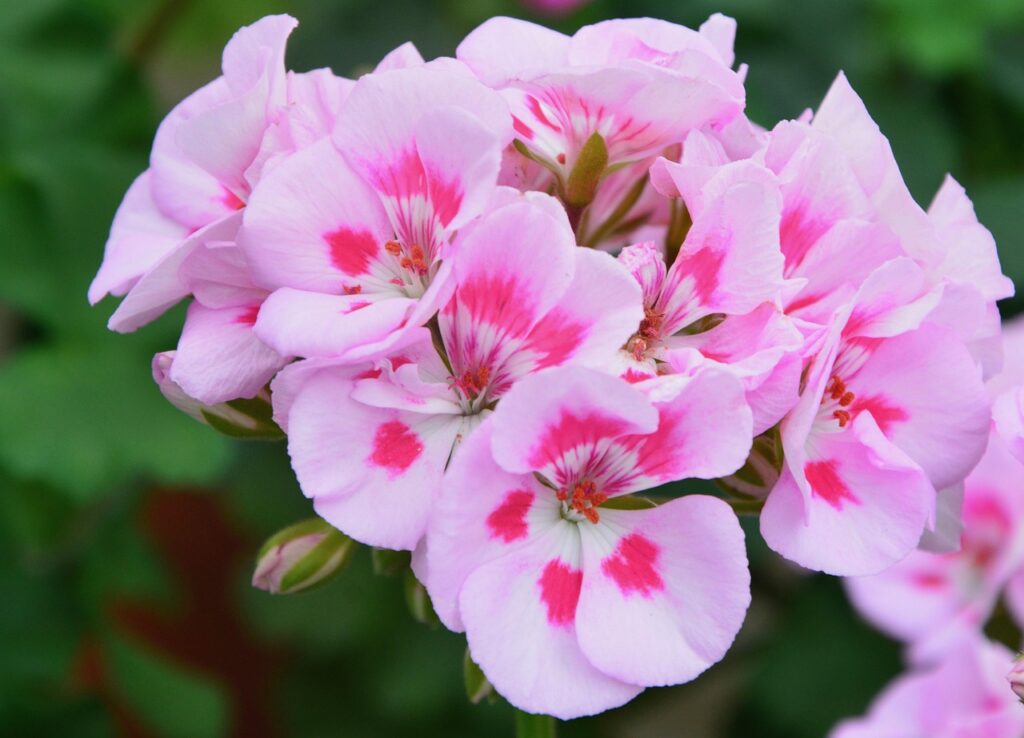
While it might be tempting to fill your garden with any herb that catches your eye, not all plants are suited for a tea garden. Plan your garden with purpose. Think about which herbs and flowers you enjoy drinking the most. Some popular tea herbs include mint, chamomile, lavender, lemon balm, and lemon verbena. Choosing plants that are both beautiful and useful will ensure you get the most out of your garden. If you’re planning on using the herbs for tea blends, make sure the plants you choose are not only compatible in the garden but also in your brew.
Letting Plants Take Over
Herbs like mint, oregano, and lemon balm can quickly become invasive. These plants can spread aggressively and dominate other plants, leading to a chaotic, unorganized garden. Containment is key. Use pots or garden barriers to keep these plants in check. You can also plant them in raised beds or use garden edging to prevent their roots from running wild. This way, you’ll have the benefits of these great herbs without the mess they can create.
Overlooking Water and Soil Requirements
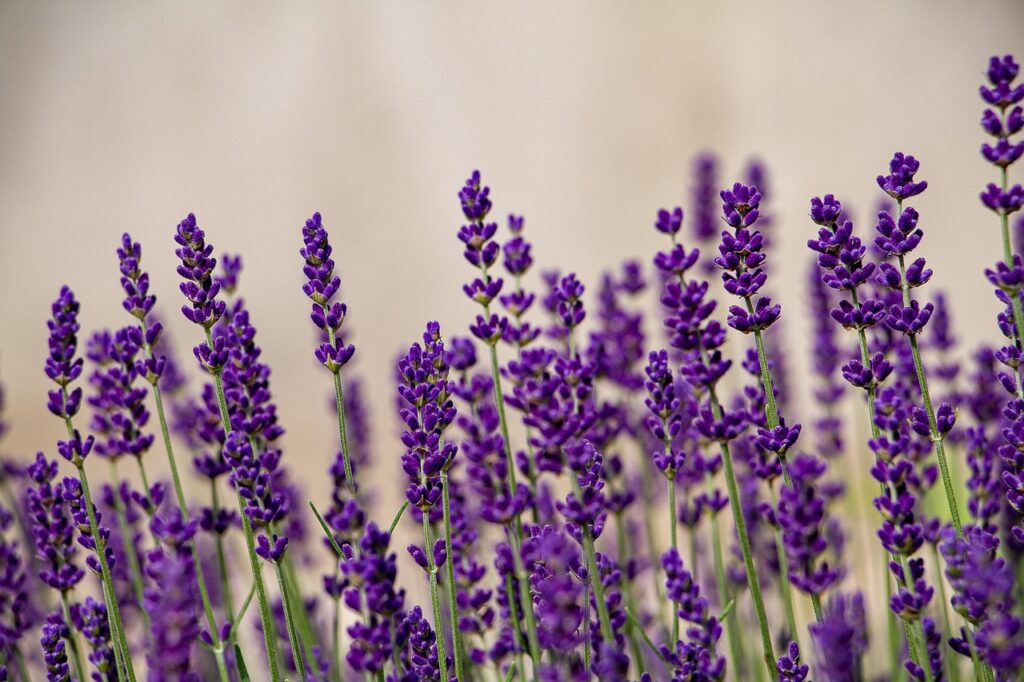
Tea herbs have specific water and soil requirements. For example, lavender prefers dry, well-draining soil, while mint loves moist, rich soil. Planting herbs with conflicting water needs will stress your plants, leading to poor growth and wasted effort. Understand the soil type in your area and amend it to suit your plants. If your soil is heavy or clayey, add organic matter to improve drainage. Water your garden consistently, but avoid overwatering, as some herbs are sensitive to excess moisture.
Forgetting to Harvest and Preserve
Growing a tea garden is only half the battle; harvesting and preserving your herbs is where the real satisfaction lies. Don’t wait too long to harvest, as leaves lose their flavor and potency over time. Many herbs, such as mint and chamomile, have a peak harvesting period during the growing season. Harvesting in the early morning, when the oils are most concentrated, will give you the best flavor. After picking, dry your herbs properly by hanging them upside down in a cool, dry space, or use a dehydrator. Store them in airtight jars for long-term use.
Mixing Plants With Conflicting Traits
When planning your tea garden, remember that different plants have different requirements. Group plants with similar needs together to reduce competition for resources such as water and nutrients. For instance, tea plants (Camellia sinensis) need acidic, well-drained soil, while mint prefers more alkaline conditions. Mixing incompatible plants will lead to poor growth and low yields. Create sections in your garden based on plant needs, and space them accordingly to prevent overcrowding.
Neglecting to Enjoy the Experience
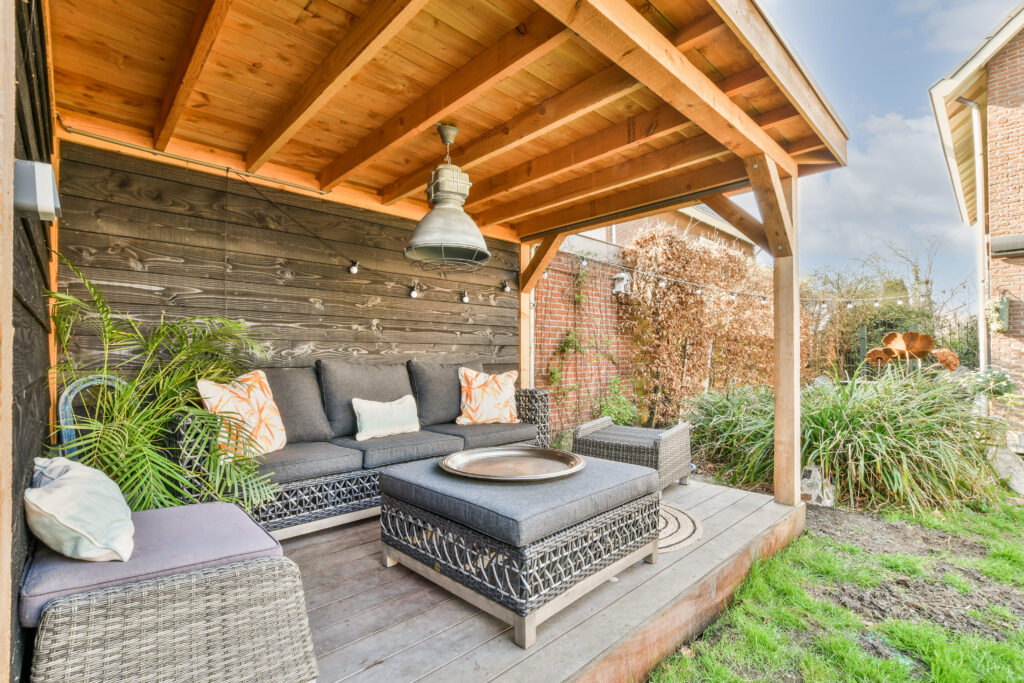
A tea garden is meant to be an experience, not just a task. If you focus too much on perfection and maintenance, you’ll miss out on the peace that comes from the process itself. The meditative act of tending your plants, watching them grow, and eventually brewing the herbs you’ve grown is deeply satisfying. Don’t forget to take a step back and enjoy the quiet moments in your garden. Your tea garden should not be a chore, but a place to find solace and inspiration.
Conclusion
Creating a tea garden that thrives requires more than just planting a few herbs. By planning carefully and avoiding these common mistakes, you can cultivate a space that’s both functional and beautiful. Whether you’re sipping fresh mint tea in the morning or enjoying a calming cup of chamomile before bed, your tea garden will become a cherished part of your home. By taking the time to understand your plants’ needs and adding relaxing touches to the space, you can create a garden that serves as a peaceful retreat year-round. So, take your time, plan your garden thoughtfully, and, most importantly, enjoy the process. Your perfect tea garden awaits.