Monarchs rely on specific plants for their survival, and by adding the right flowers and plants to your space, you can create a welcoming environment for these beautiful pollinators. Here are 10 essential plants to help attract monarch butterflies to your garden.
Salvia
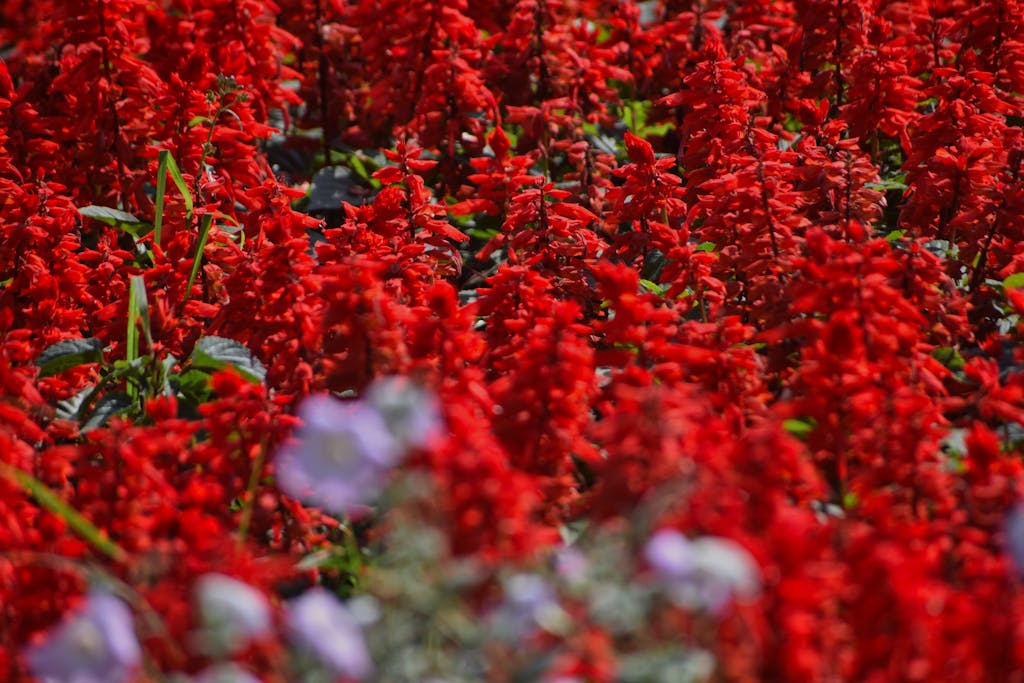
Salvias are an excellent nectar source for monarch butterflies. These hardy, drought-tolerant plants have tubular flowers that appeal to butterflies. Salvia varieties such as red, purple, and blue attract monarchs and other pollinators, making them a versatile and colorful choice for your butterfly garden.
Lantana
Lantana is a vibrant, nectar-rich shrub that attracts many pollinators, including monarch butterflies. Known for its bright, colorful blooms, lantana provides a consistent food source for adult butterflies, making it a great addition to any garden. The plant also has a long blooming season, providing nourishment from spring to fall.
Milkweed (Asclepias spp.)
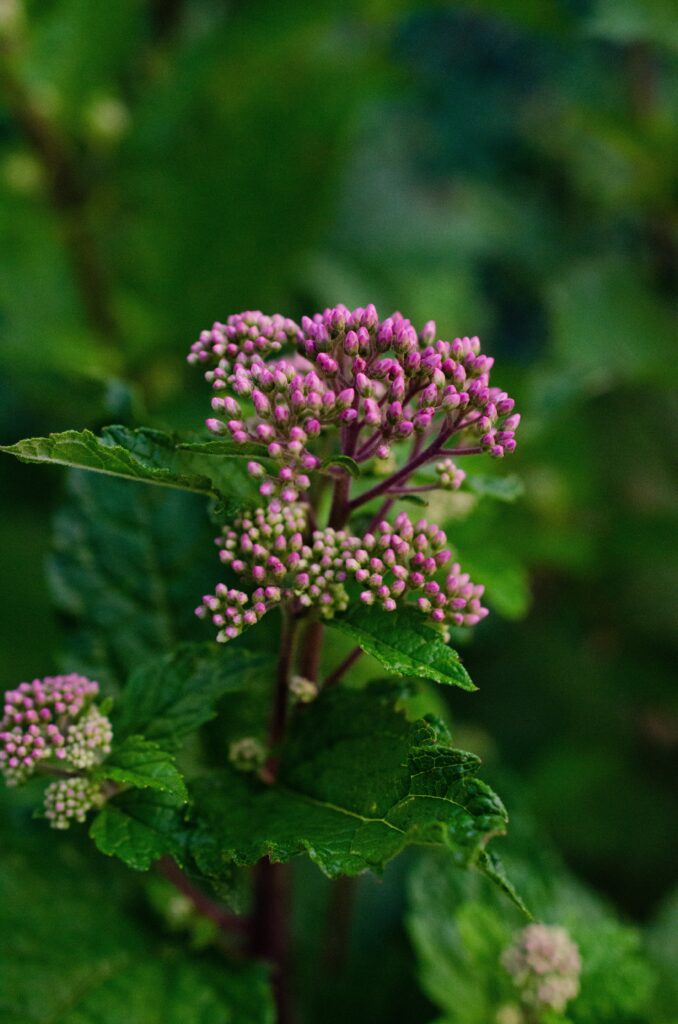
Milkweed is the essential plant for monarch butterflies. It’s the only plant on which monarch females lay their eggs, and the only food monarch caterpillars eat. Growing a variety of milkweed species, particularly native varieties, ensures that monarchs have the resources they need for both egg-laying and feeding. It’s a must-have for any monarch-friendly garden!
Asters
Asters are late-blooming flowers that provide essential nectar to monarch butterflies during their migratory phase in late summer and fall. Their striking purple, blue, or pink flowers are perfect for attracting monarchs and other late-season pollinators. Asters are a vital nectar source when other flowers are winding down for the season.
Monarda (Bee Balm)
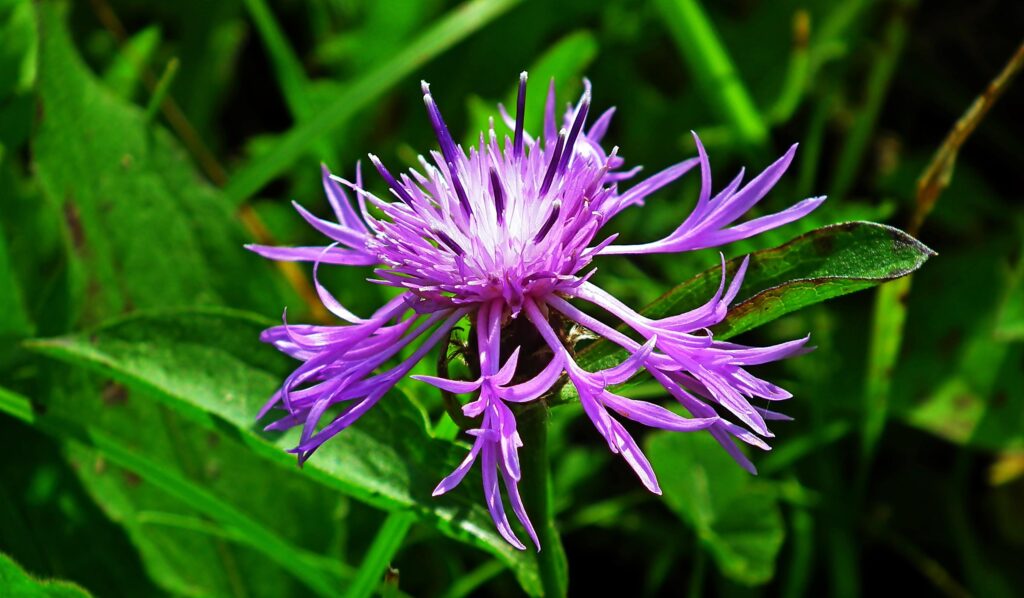
Monarda, also known as bee balm, has vibrant red, pink, or purple blooms that attract not only monarchs but also bees and hummingbirds. The plant produces nectar-filled flowers that butterflies feed on during the summer months. Planting monarda ensures that your garden stays buzzing with life all season long.
Phlox
Phlox is another great nectar-producing plant. Its bright, fragrant flowers attract monarch butterflies and other pollinators, such as bees. Phlox blooms in a variety of colors, including pink, red, and white, adding a burst of color to your garden while providing continuous nectar through the growing season.
Allium
Allium, also known as ornamental onion, is an excellent source of nectar for monarch butterflies. The plant produces globes of small, star-like flowers that butterflies adore. Alliums bloom in early summer, providing monarchs with nectar when few other plants are in bloom, making them a valuable addition to any butterfly garden.
Sunflowers
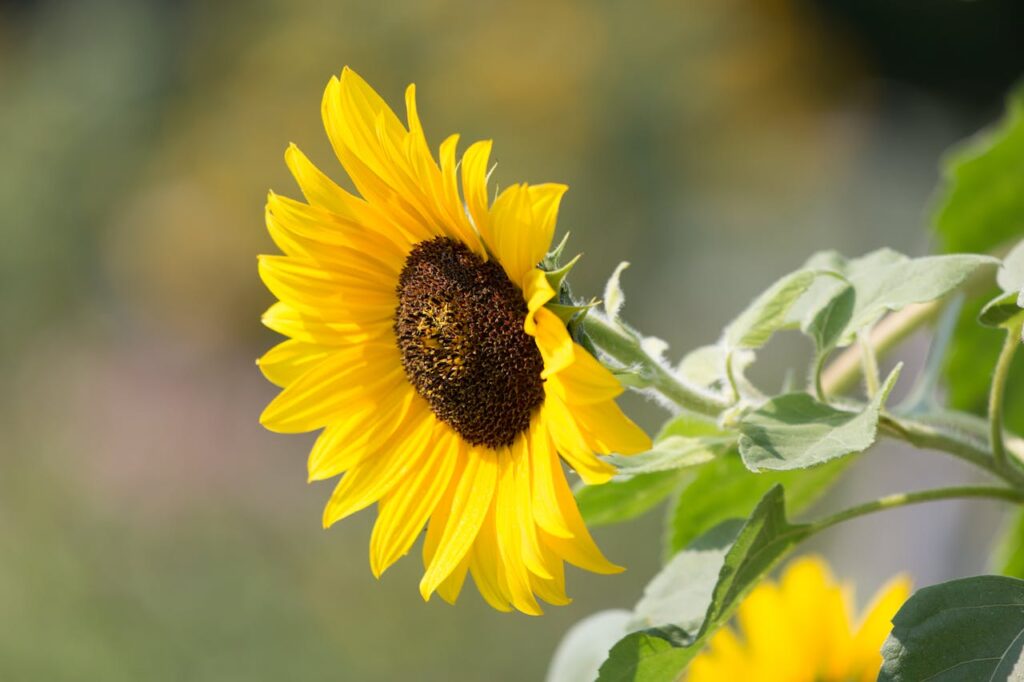
Sunflowers are not only visually stunning but also highly beneficial for monarch butterflies. Their large, nectar-rich flowers are perfect for attracting butterflies. As an added bonus, sunflowers can also provide seeds for birds. Choose varieties like mammoth sunflowers for larger blooms and greater appeal to pollinators.
Lavender
Lavender is well-known for its fragrant purple flowers and attracts a variety of pollinators, including monarch butterflies. Lavender’s drought tolerance makes it a low-maintenance option for your butterfly garden. Lavender’s long bloom time, combined with its appeal to monarchs, ensures that your garden will have a consistent source of nectar.
Coneflower (Echinacea)
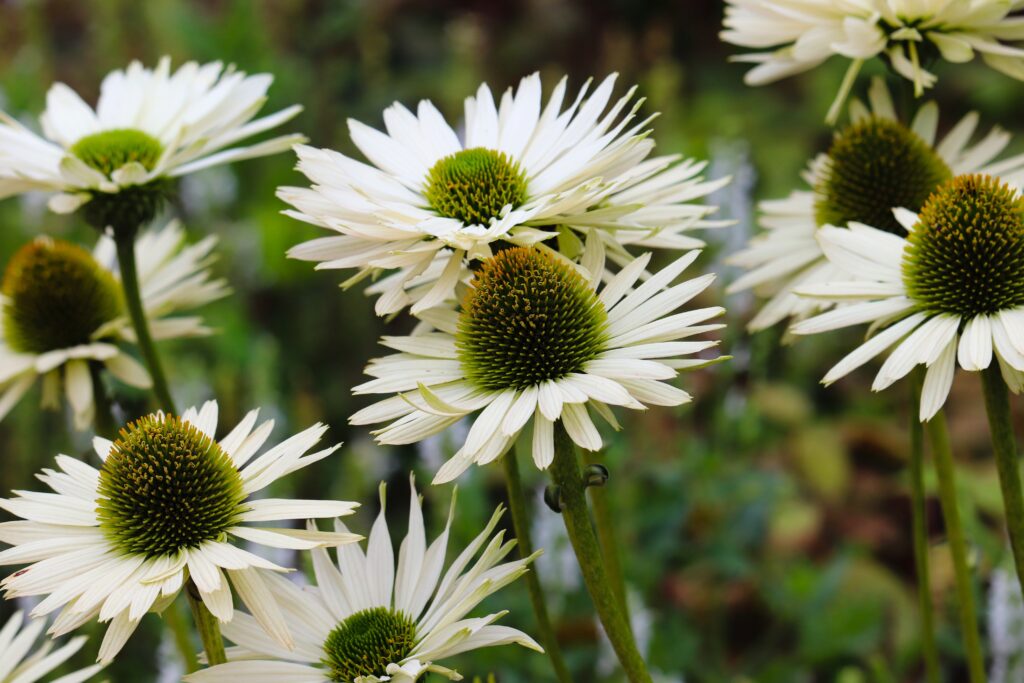
Coneflower, with its daisy-like flowers and vibrant purple petals, is an excellent addition to any monarch butterfly garden. Coneflowers attract monarchs and other pollinators with their rich nectar and are easy to grow in a variety of soil types. These perennial plants also provide season-long blooms, keeping your butterfly garden active throughout the growing season.
Conclusion
By incorporating these 10 plants into your garden, you can create a sanctuary for monarch butterflies and support their life cycle. Providing both nectar sources for adults and host plants for caterpillars, such as milkweed, ensures that your garden becomes an essential stop for these migratory butterflies. Whether you’re planting for beauty, ecology, or to support endangered species, these plants are a win for your garden and the monarchs!