Creating a wildlife-friendly garden doesn’t have to be a complex endeavor. With the right selection of plants, you can transform your backyard into a vibrant haven for animals.
Whether you’re hoping to attract birds, butterflies, or small mammals, the key is to incorporate plants that provide food, shelter, and even nesting opportunities. Let’s explore 10 plants that can help turn your garden into a lively ecosystem, drawing more wildlife right to your doorstep.
Bee Balm (Monarda didyma)

Bee balm, with its vibrant red, pink, or purple flowers, is a powerhouse for attracting pollinators, particularly bees, butterflies, and hummingbirds.
This perennial is not only visually stunning but also serves as a nectar-rich source for these essential creatures. Its fragrant blooms attract beneficial insects, and its dense foliage provides shelter for smaller critters. Bee balm thrives in sunny, moist locations and can be a beautiful addition to any garden bed.
Black-eyed Susan (Rudbeckia hirta)
Known for its cheerful yellow petals and dark centers, black-eyed Susan is a magnet for pollinators. Bees and butterflies love the nectar-rich flowers, making it an essential plant for any wildlife garden.
It’s also incredibly easy to grow, tolerating a wide range of soil types and light conditions. Beyond its attractiveness to insects, birds love the seeds in late summer and fall, offering a second wave of wildlife interaction.
Lavender (Lavandula angustifolia)
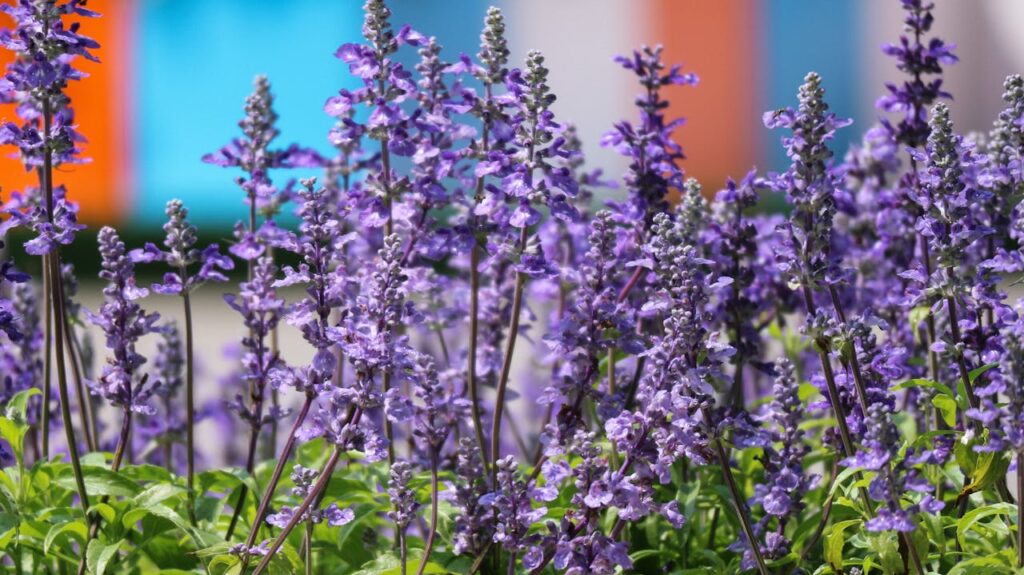
The calming scent of lavender is loved by humans, but it’s equally adored by bees and butterflies. This fragrant herb produces lovely purple flowers that not only provide a stunning visual element to your garden but also attract a variety of pollinators.
Lavender thrives in well-drained soil and full sun, making it a low-maintenance choice for gardeners who want to support wildlife without demanding too much attention.
Purple Coneflower (Echinacea purpurea)
Purple coneflower is a stunning perennial that not only looks beautiful in garden beds but also serves as a food source for many wildlife species. Its nectar is highly attractive to bees, butterflies, and other pollinators.
Once the flowers have faded, the seed heads become a favorite snack for birds like finches, who peck at them throughout the fall and winter months. This plant is a true workhorse in any wildlife-friendly garden.
Sunflower (Helianthus annuus)
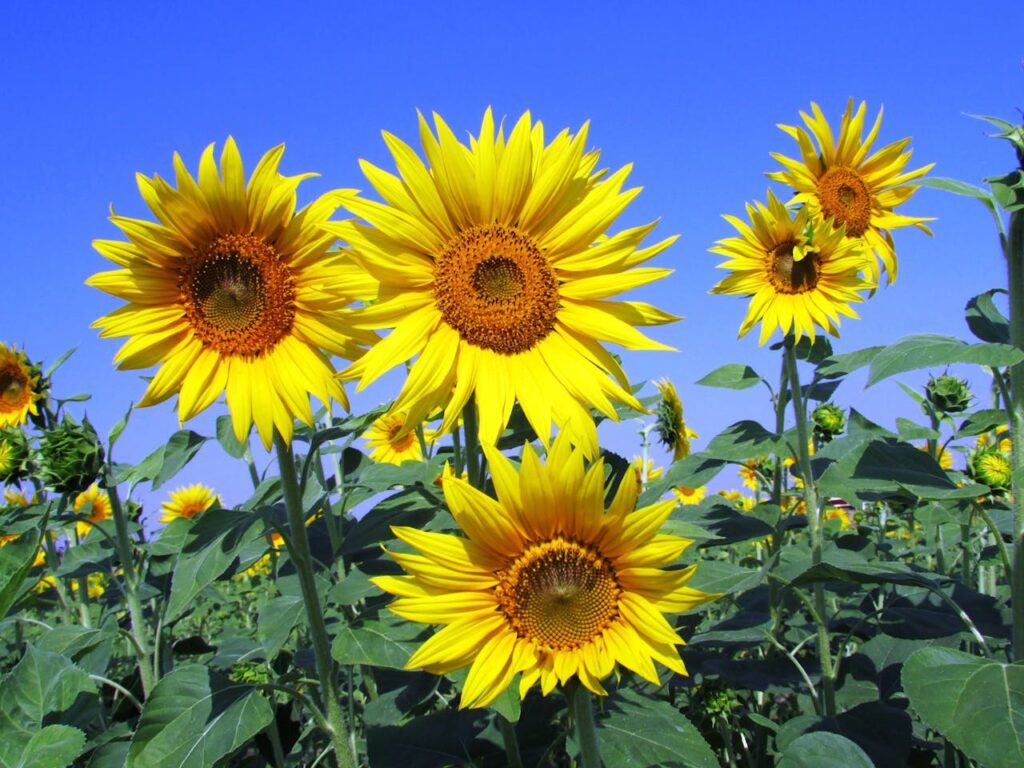
Sunflowers are a classic choice for attracting wildlife to your garden. Their large, vibrant yellow blooms draw in pollinators, especially bees.
However, their real magic happens after they’ve finished flowering. Birds, particularly finches, love the seeds, which provide them with a high-energy food source during colder months. Planting sunflowers not only offers beauty but also ensures a wildlife-friendly feast.
Creeping Thyme (Thymus serpyllum)
Creeping thyme is a low-growing, aromatic ground cover that is perfect for attracting pollinators like bees and butterflies.
The tiny purple flowers are rich in nectar, making it a favorite among small wildlife. Thyme also makes a great ground cover, filling in gaps in the garden while creating a soft carpet that many small creatures, like insects and even some small mammals, love to hide in.
Goldenrod (Solidago spp.)
Goldenrod is often seen as a late-summer wonder, with its bright yellow flowers providing a final feast for pollinators before the cold sets in. Butterflies, bees, and other insects flock to the nectar-rich blooms, ensuring that your garden remains alive with activity well into the fall.
Goldenrod is an excellent plant for adding both color and ecological value, as it attracts beneficial insects like ladybugs.
Holly (Ilex aquifolium)
Holly is not only iconic for its winter berries but also a great plant for attracting birds, especially during the colder months when food can be scarce.
The bright red berries are a delicious treat for species like robins, cedar waxwings, and other small birds. The dense foliage provides excellent shelter and nesting opportunities for birds and small mammals, making holly an ideal choice for a wildlife-friendly garden that thrives year-round.
Milkweed (Asclepias spp.)
Milkweed is a must-have for butterfly lovers. This plant is the preferred food source for monarch caterpillars, which rely on it for both food and shelter as they grow. The nectar-rich flowers attract bees, butterflies, and hummingbirds, turning your garden into a haven for pollinators.
Milkweed is a hardy plant, often found in wildflower meadows, and is particularly beneficial in supporting endangered species like the monarch butterfly.
Rosemary (Rosmarinus officinalis)

Rosemary is not only a fragrant herb that adds flavor to your dishes but also a fantastic plant for attracting bees and butterflies.
The small, pale blue flowers are a magnet for pollinators, providing them with much-needed nectar. Rosemary thrives in sunny areas with well-drained soil, and its dense evergreen structure provides shelter for a variety of smaller wildlife. As an added bonus, it’s a great plant for culinary use too.