Fast food and snacks are a staple of daily life for many. Whether grabbing a quick bite or savoring a favorite treat, these foods shape modern eating habits.
Despite their convenience and appeal, there are lesser-known aspects of snacks and fast food that could prompt a second thought.
From potential health risks to interesting industry details, here are 17 surprising facts that may change the way you view snacks and fast food.
Popcorn Lung

We all love the buttery taste of microwave popcorn, but did you know it has been linked to a condition called “popcorn lung”? This rare disease, also known as bronchiolitis obliterans, causes scarring in the lungs and leads to difficulty breathing.
The culprit? Diacetyl, the chemical used to flavor microwave popcorn, is also found in other products like wine and candy. Repeated exposure to diacetyl can result in permanent lung damage, making you think twice before reaching for that bag of popcorn.
The Surprising Origin of Little Caesars Pizza
In 1959, Mike Ilitch and his wife, Marian, opened a small pizza shop called Little Caesars Pizza Treat in Garden City, MI. What began as a humble business has now grown into the third-largest pizza chain in the U.S. as of 2021.
Ilitch didn’t just revolutionize fast food—he also made a lasting impact on Detroit’s sports culture by purchasing the Detroit Red Wings and Tigers.
His commitment to his community extended beyond business, as he quietly paid Rosa Parks’ rent in her later years, demonstrating a blend of philanthropy and entrepreneurship.
KFC’s International Translation Mishaps
Known globally for its “finger-lickin’ good” chicken, KFC has made waves not just for its food, but for the way its slogan translates across cultures. In China, for example, the phrase “finger-lickin’ good” became a rather bizarre translation: “eat your fingers off.”
Despite its global presence in over 150 countries, KFC has faced serious missteps in its international expansion, including in its advertising and menu offerings.
The brand’s rebranding to KFC (from Kentucky Fried Chicken) was also spurred by legal challenges involving the use of “Kentucky,” but not because of the food’s content, as many had speculated.
Titanium Dioxide in Fast Food
Switching gears back to food additives, safety concerns arise over what’s added to processed treats. Titanium dioxide is commonly used in food products to make them appear brighter and whiter. This food additive, a white powder, is found in products such as ranch dressing, donuts, and even candy.
While it has been considered safe by U.S. authorities, titanium dioxide has raised red flags in the European Union, which has moved to ban its use in foods. It’s found in snacks like Hostess Donettes and Tastykake mini donuts, though Dunkin’ has already phased it out of its donuts.
The growing concern over its potential health risks, such as DNA damage, has led many to question what goes into their favorite snacks.
Skittles and the Risk of Consuming Titanium Dioxide

Building on concerns around food additives, popular candies are also under scrutiny. Skittles, a beloved candy, contain titanium dioxide—a food additive used to enhance color and brightness—linked to DNA damage and potential cancer risk.
Research is ongoing, but countries like Norway and Sweden have already banned the importation of Skittles due to the health risks associated with this chemical.
While the U.S. still allows the use of titanium dioxide, the debate over its safety continues to raise concerns for consumers who enjoy the vibrant colors and fruity flavors of this iconic candy.
Mountain Dew’s Distinctive Color and Its Health Concerns
Other snacks and drinks present their own surprising risks. Mountain Dew is recognized for its energy and bold image, but its story extends beyond caffeine content.
The drink’s bright yellow-green color comes from tartrazine (Yellow 5), which has been linked to hyperactivity and headaches, especially in children.
This additive has sparked enough concern to prompt bans in Norway and Austria, fueling debates about the safety of artificial coloring.
Hidden Dangers in Fast Food
Fast food may be convenient, but it’s also loaded with sodium, which is linked to high blood pressure, heart disease, and stroke. The average fast-food meal can contain more than the recommended daily intake of sodium, which many consumers may not notice.
The high sodium levels in fast food, particularly in items like burgers, fries, and processed chicken, contribute significantly to rising health concerns related to diet and lifestyle.
For individuals concerned about their health, it’s crucial to be aware of these hidden dangers.
Fast Food Sourcing
The beef industry is one of the most resource-intensive sectors in agriculture, contributing significantly to deforestation and greenhouse gas emissions.
Many fast food chains source their beef from large-scale producers that have been criticized for their environmental impact.
While some chains have begun adopting more sustainable practices, such as sourcing beef from farms that meet higher environmental standards, the overall sustainability of fast-food beef production remains a pressing issue for both consumers and environmentalists.
McDonald’s and Its Iconic Golden Arches
McDonald’s Golden Arches are recognized worldwide, symbolizing not just the fast-food industry but American culture itself.
The company’s global expansion and market dominance began with its franchise model, which enabled McDonald’s to become the world’s largest fast-food chain.
Today, McDonald’s serves millions of customers daily, offering a wide range of menu options that cater to different tastes and dietary preferences. Its menu innovations, such as the McFlurry and the McVeggie burger, reflect the brand’s ability to adapt to changing consumer demands.
Taco Bell’s Unlikely Ingredient
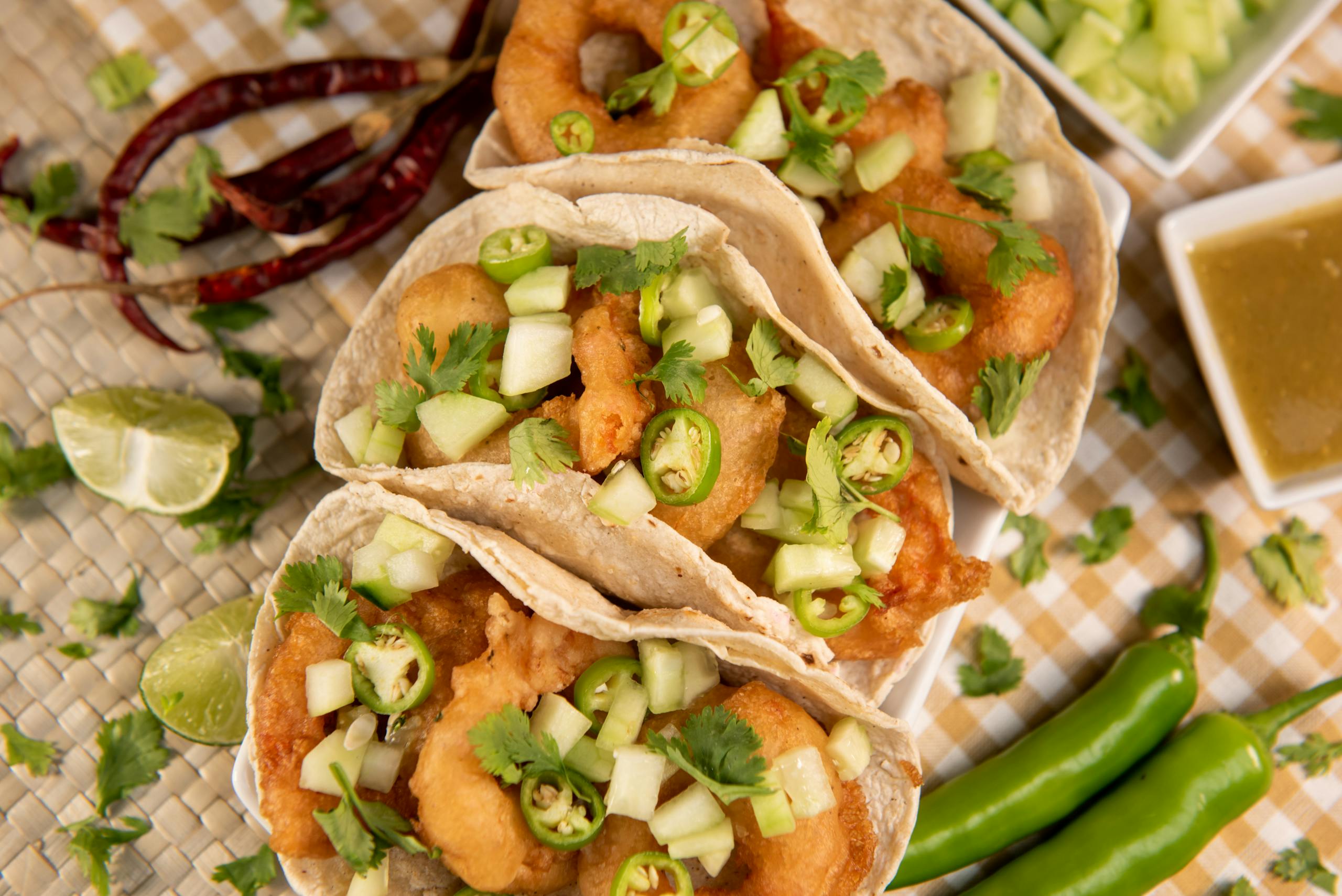
Taco Bell, famous for its tacos and burritos, faced a significant backlash over the quality of its beef. In 2011, a lawsuit claimed that the chain’s beef filling contained less than 36% meat, with much of it made up of fillers like soy and oats.
While Taco Bell responded by defending its recipe, the response sparked widespread debate about the quality and authenticity of fast-food ingredients.
This controversy led to greater transparency in fast-food ingredient listings and increased consumer awareness of what’s actually in their food.
The Hidden Ingredients in Fast Food Sauces
When you drizzle a sauce over your fast food meal, you might not realize just how many chemicals and preservatives are packed into that tiny packet.
From high-fructose corn syrup to artificial colorings, fast-food sauces are often laden with ingredients designed to enhance flavor and shelf life.
While they make food more appealing, these additives come with their own health concerns, particularly for those who consume them regularly. Awareness of these hidden ingredients can help consumers make more informed choices about fast food.
Healthier Fast Food Alternatives: A Growing Trend
As demand for healthier options continues to rise, many fast-food chains are introducing new, nutritious menu items. From salads and fruit bowls to grilled chicken and plant-based burgers, there are now plenty of options for those who want to enjoy fast food without compromising their health.
However, it’s important to note that not all “healthy” fast-food choices are as nutritious as they seem. Many of these options still contain high levels of sodium, sugar, and unhealthy fats, making it essential to read nutrition labels and be mindful of portion sizes.
The Global Impact of Fast Food
Fast food’s rise shapes global diets, economies, and the environment. Chains’ expansion spreads unhealthy eating, especially in developing countries.
The industry’s environmental footprint—from packaging waste to resource-heavy food production—raises ongoing sustainability concerns.
Fast Food’s Role in Modern Society
Fast food’s convenience also makes it a social fixture. From lunch breaks to family dinners, these restaurants are gathering places.
Accessibility and affordability make fast food attractive for busy people and families seeking quick meals.
The Fast Food Industry’s Marketing Power
The marketing tactics used by fast food chains are as powerful as the food itself. Through catchy slogans, colorful advertisements, and celebrity endorsements, fast food companies have mastered the art of persuasion.
Their marketing strategies target specific demographics, particularly children and young adults, encouraging them to make fast food a regular part of their lives.
The effectiveness of these marketing campaigns has contributed to the industry’s massive global reach and its ability to shape consumer behavior.
Fast Food and the Rise of Delivery Services
Delivery services have boosted fast food’s popularity. With a few taps, meals arrive in minutes—a trend accelerated by the COVID-19 pandemic.
While convenient, increased packaging waste and delivery emissions create environmental concerns.
The Evolution of Snack Food Flavors
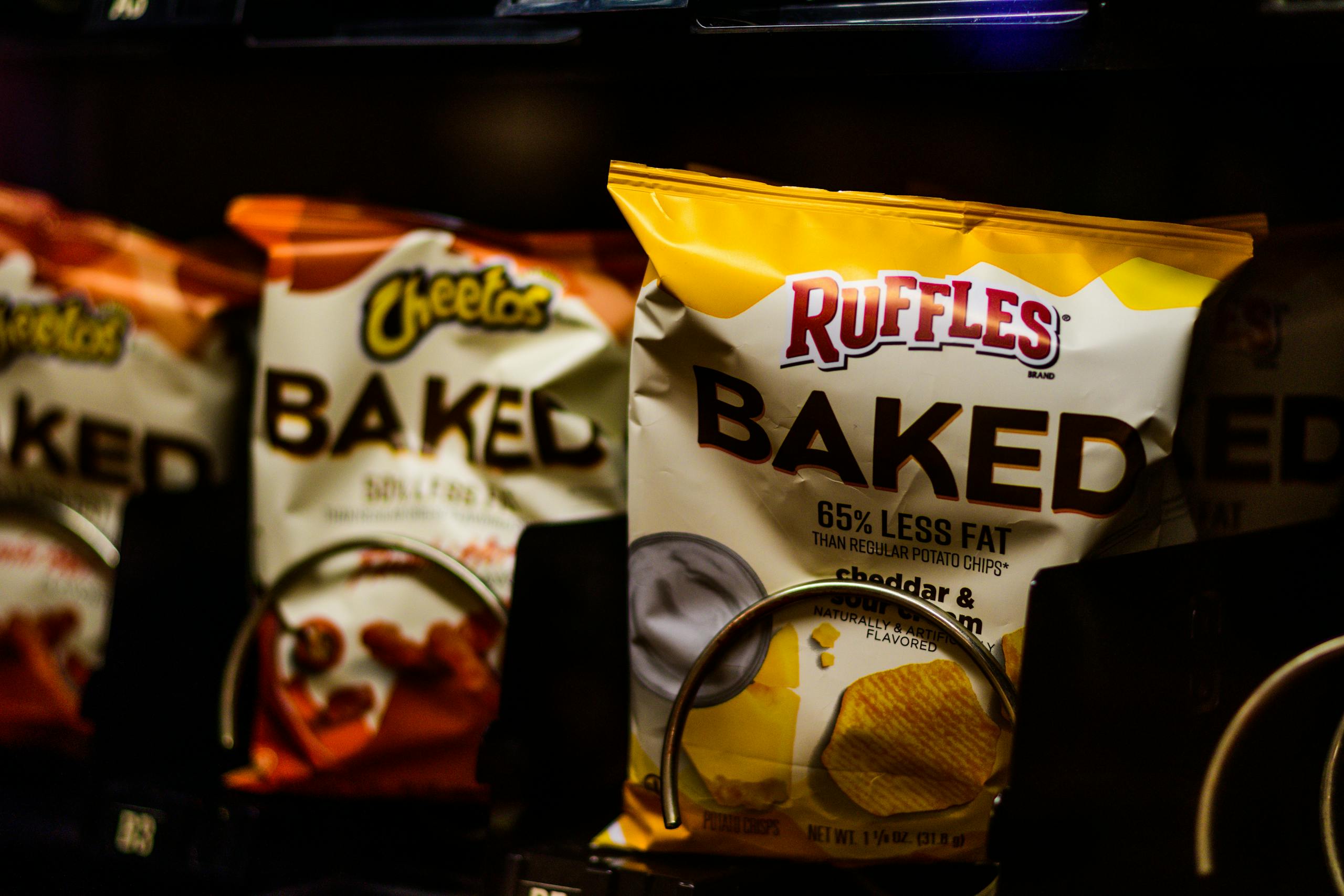
Snack food manufacturers have embraced flavor innovation, experimenting with bold and exotic combinations that push the boundaries of traditional tastes.
From spicy sriracha chips to tangy vinegar popcorn, the snack aisle has become a playground for new and exciting flavors.
This trend has not only changed the way people snack but has also created a more diverse global market for snack foods, with flavors from different cultures finding their way into mainstream products.
Conclusion
By exploring the behind-the-scenes facts about snacks and fast food, we’ve uncovered surprising truths that not only affect our health but also impact the environment and society.
Next time you grab a quick bite, consider the hidden details that make your favorite snack or fast food choice more than just a simple indulgence.
The food industry’s evolution continues to challenge both our taste buds and our understanding of what we’re really consuming.