Google is asking for California and Florida, but the plan is not as creepy as it sounds at first. The company’s Debug program aims to use sterile male mosquitoes to reduce disease-spreading mosquito populations without relying solely on chemical spraying.
The request has drawn attention because the number is huge. Up to 32 million mosquitoes could be released across the two states if the Environmental Protection Agency approves the experimental permit. For many people, the idea of releasing more mosquitoes sounds like the opposite of pest control, but this project works by turning male mosquitoes into a biological dead end.
The mosquitoes are meant to fight other mosquitoes.
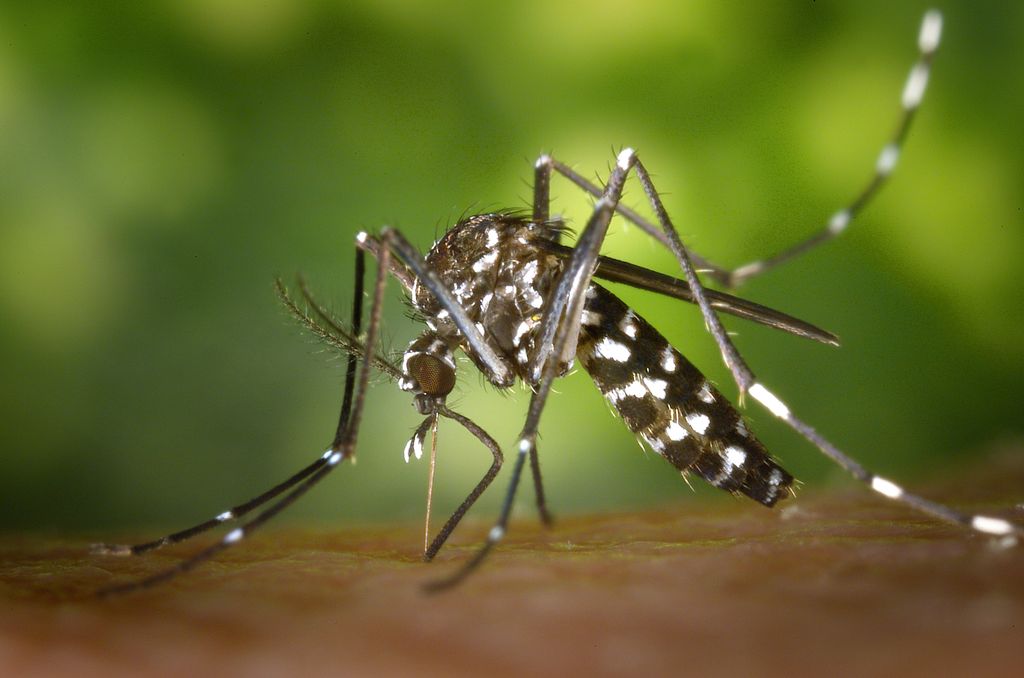
The plan focuses on male mosquitoes, which do not bite people. Female mosquitoes are the ones that bite because they need blood to develop eggs. That difference matters because Google’s approach depends on releasing males that can mate with wild females without producing surviving offspring.
These males are treated with Wolbachia, a naturally occurring bacterium that can stop eggs from hatching when the treated males mate with certain wild females. Over time, the goal is simple. Fewer eggs hatch, fewer mosquitoes survive, and the local population drops with each generation.
This is not a normal Big Tech side project.
At first glance, mosquito control may seem far outside Google’s usual world of search, ads, phones, maps, cloud tools, and artificial intelligence. Yet the Debug program grew out of Alphabet’s life science work, where engineers and health researchers have been exploring how technology can solve public health problems.
The project uses the kind of tools people expect from a tech company. Sensors, automation, data analytics, robotics, and AI-powered computer vision help sort mosquitoes, raise them at scale, and separate males from females. That last part is critical because any release program must avoid sending out biting females by mistake.
The EPA has not approved the release yet.

The most important point is that Google has requested permission, not received it. The EPA is reviewing the application through an Experimental Use Permit process. That means the plan still depends on federal review, public comments, and any conditions regulators decide to impose.
EPA has also pushed back against online claims suggesting mosquito releases are already authorized in the United States. The agency said no current U.S. releases are authorized under the expired permit. So for now, this remains a proposed test, not an active release campaign.
The public health goal is serious.
Mosquitoes are more than a backyard nuisance. They spread diseases such as dengue, Zika, chikungunya, yellow fever, and West Nile virus, depending on the mosquito species and region. In warmer climates, local health officials often struggle to control populations, especially when standing water, heat, and urban density create ideal breeding conditions.
Traditional mosquito control still matters, but it has limits. Pesticides can lose power over time as mosquitoes develop resistance. Clearing every possible breeding site is also difficult because mosquitoes can reproduce in surprisingly small pools of water, from buckets and plant saucers to clogged gutters and discarded containers.
The idea has already been tested elsewhere.
Google’s Debug program points to results from Singapore as one reason for confidence. There, Wolbachia-based mosquito control has been used to suppress Aedes aegypti populations, a major mosquito species linked to dengue transmission. Debug says Singapore trials have shown major reductions in mosquito populations and dengue incidents after repeated releases.
That does not automatically guarantee the same results in California or Florida. Local mosquito species, climate, geography, population density, and public cooperation can all affect outcomes. Still, the Singapore experience provides the project with a real-world example rather than leaving it in the realm of lab theory.
Why California and Florida matter

California and Florida are not random choices. Both states have warm regions where mosquito control is a recurring public health concern. Florida’s climate creates long mosquito seasons, and parts of California have also seen growing concern about invasive mosquito species and mosquito-borne disease risks.
A successful test could give local mosquito control agencies another tool. The goal is not to replace every existing method overnight. It is to test whether a targeted biological approach can reduce mosquito numbers in places where chemical spraying and public education campaigns are not enough on their own.
The plan will still raise public concerns.
Even when the science is explained, many residents may still feel uneasy about a technology company releasing millions of insects into their communities. Some may worry about ecological effects, accidental releases of females, corporate involvement in public health, or the long-term consequences of changes in local insect populations.
Those concerns are not automatically irrational. Public trust matters in any environmental health project. Regulators will need clear data, transparent monitoring, and local communication before communities feel comfortable with a project that sounds shocking in a headline.
The bigger story is about the future of pest control.
Google’s request shows how pest control is moving into a new era. Instead of relying only on sprays, traps, and cleanup campaigns, scientists are increasingly testing biological and data-driven strategies. The goal is precision, not blanket treatment.
That shift could become more important as mosquito-borne diseases spread into new areas due to travel, urban growth, and changing weather patterns. If this approach works safely and consistently, it could help cities reduce disease risk without flooding neighborhoods with chemicals.
What happens next
The EPA will decide whether to approve or deny Google’s request after reviewing the application, public comments, and available safety data. If the permit is approved, the releases would likely happen under strict rules, with monitoring requirements and limits on where and how the mosquitoes can be released.
For now, the story is not that Google is filling California and Florida with mosquitoes. The real story is that one of the world’s biggest tech companies wants permission to test whether millions of carefully selected male mosquitoes can help reduce the dangerous ones. It sounds strange, but in the fight against mosquito-borne disease, strange ideas may be exactly where the next breakthrough begins.