Exercising with poor form or ignoring fundamental fitness principles can do far more harm than good. Even the most motivated individuals risk injuries, reduced performance, and slow results if they repeat common mistakes. To maximize the benefits of every session, we’ve identified 20 critical exercise errors, paired with precise guidance for correcting them, ensuring your workouts are effective, safe, and efficient.
Ignoring Proper Treadmill Form
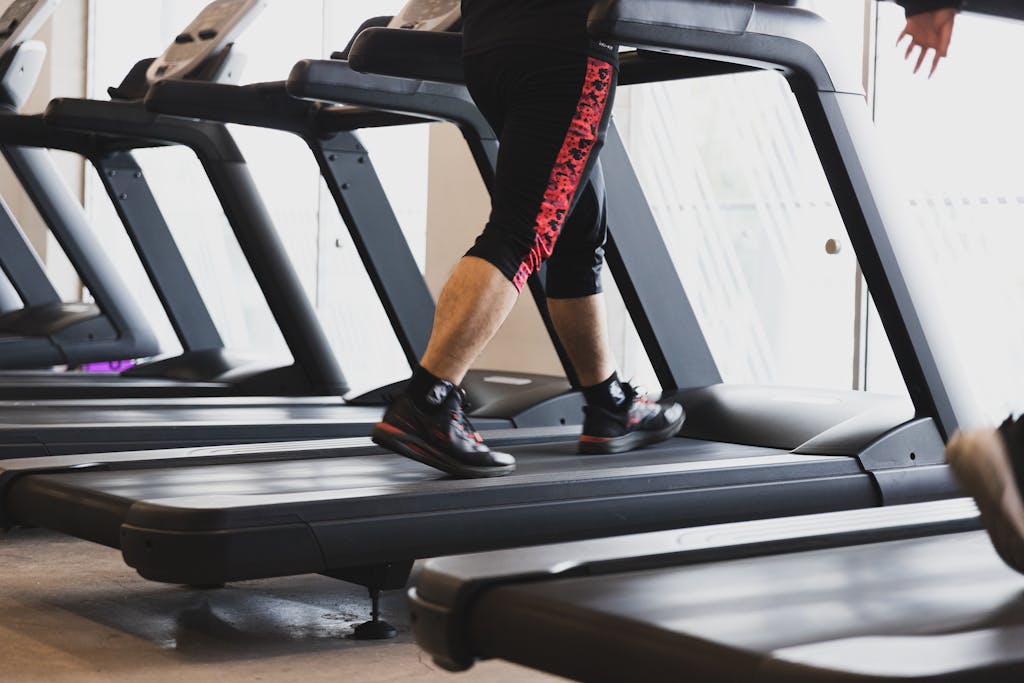
Rushing your pace or cranking up the incline while gripping the treadmill handrails can strain your back, reduce core engagement, and compromise cardiovascular efficiency. Proper treadmill technique involves maintaining an upright posture, lightly swinging your arms, and letting your legs do the work without holding on for support.
Always begin with a warm-up at a moderate pace, gradually increasing the incline or speed to build endurance and strength safely.
Squats Done Wrong
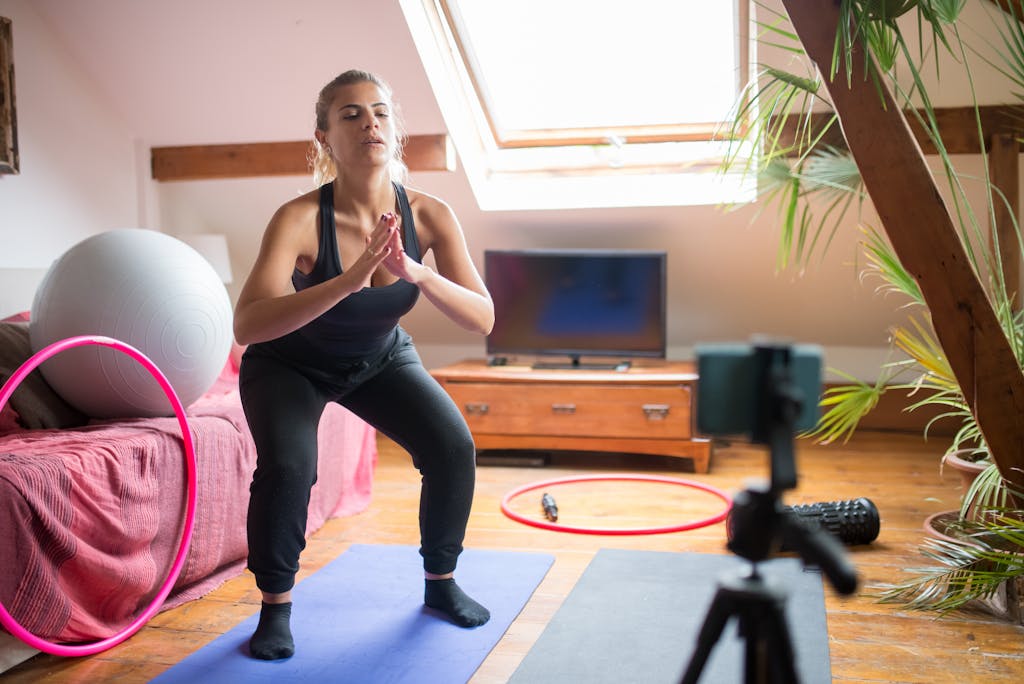
Squats are deceptively complex. Arching the lower back, leaning too far forward, or letting knees track past toes significantly raises the risk of knee and spine injuries. Maintaining a neutral spine, pushing your hips back, and keeping your chest lifted ensures maximal engagement of glutes, hamstrings, and quadriceps while protecting joints. Beginners benefit from mirror feedback or a professional trainer to master alignment.
Lunges Without Control
Incorrect lunge technique, such as allowing the front knee to collapse inward or extend beyond your toes, can cause knee pain and instability.
Proper form requires both knees at approximately 90-degree angles, a tight core, and a straight back. Step deliberately, engage glutes, and keep the torso upright for a balanced, effective lower-body workout.
Deadlifts That Compromise Your Spine
Leaning forward or rounding the back during deadlifts is a prime cause of lower-back injuries. Position feet firmly, pull shoulders back, and maintain a straight spine.
Driving heels into the floor and using a controlled lift ensures proper activation of hamstrings, glutes, and erector spinae while reducing injury risk.
Pushups With Poor Alignment

Sagging hips, flared elbows, or hands placed too wide can compromise shoulder integrity and core engagement. Align the hands under the shoulders, tighten the core, keep the feet together, and lower the body in a controlled manner.
Proper pushup form engages the chest, shoulders, triceps, and core simultaneously for a full-body effect.
Crunches & Situps That Hurt Your Neck
Tucking your chin or pulling on your head during crunches and situps can strain the neck and spine. Instead, maintain a neutral neck, engage your core, and lift your shoulders minimally off the ground.
Focused, controlled movements with consistent tempo optimize abdominal engagement while protecting sensitive structures.
Incorrect Dips
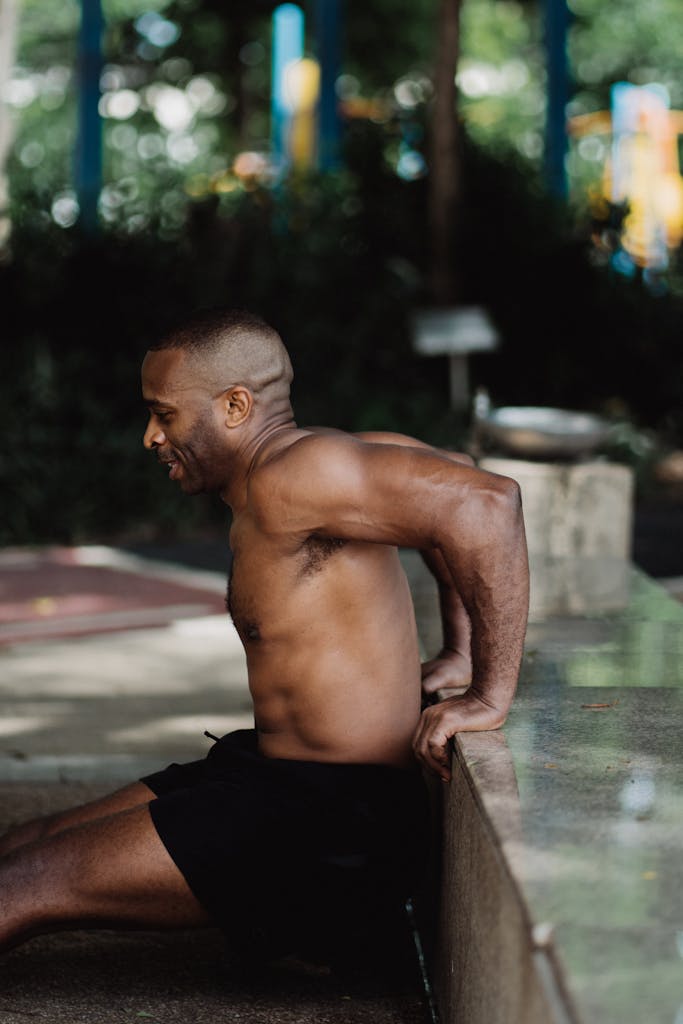
Leaning too far forward, shrugging the shoulders, or flaring the elbows can compromise the shoulder joints during dips. Keep elbows tucked, torso upright, and shoulders down. Controlled movement ensures triceps, chest, and anterior deltoids are safely strengthened.
Bicep Curls Without Stability
Swinging the body, flaring elbows, or lifting beyond shoulder height decreases bicep activation and risks tendon strain.
Keep elbows glued to your torso, hips stationary, and lift with deliberate control to fully isolate the biceps. Slow, consistent reps outperform uncontrolled, fast movements every time.
Overhead Presses With Arching
Arching your back or pushing your head forward strains the spine and shoulders. Stand tall, press directly upward from ear level, keep core engaged, and avoid compensatory movements. Maintaining correct posture maximizes deltoid activation and minimizes risk.
Lat Pulldown Behind Neck
Pulling the bar behind your head tucks your head forward and stresses the neck and shoulder joints. Instead, pull the bar in front, slightly towards your chest, and maintain a slight lean at the hips.
This preserves range of motion and protects cervical and shoulder alignment.
Rowing Machine With Rounded Back
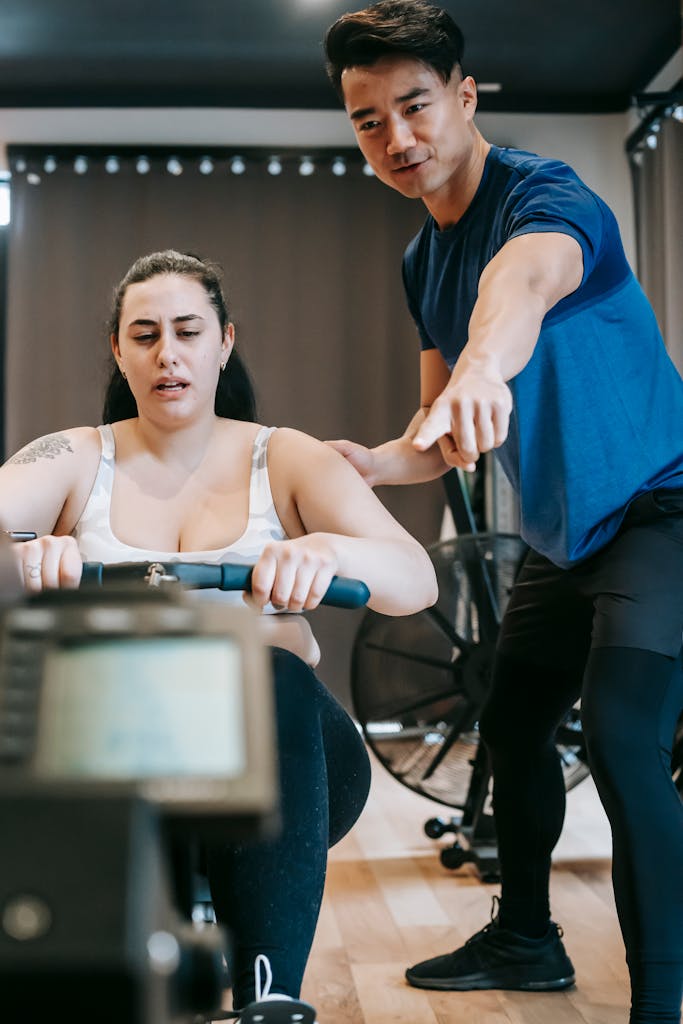
Relying solely on arms during rowing leaves the back vulnerable. Engage the legs, maintain an upright posture, and synchronize the leg push with the core and arm pull.
This full-body coordination ensures safe and effective cardiovascular and strength benefits.
Conclusion
By correcting these 11 pervasive exercise errors, you protect your body from injury, improve muscle activation, and maximize workout efficiency. Proper form, balanced programming, and mindful recovery are the keys to long-term fitness success and sustained results.