Competitive eating has grown from small local fairs to events with large crowds, television coverage, and serious prize money. The first recorded pie‑eating contest was held in January 1878 in Toronto, Canada, where the winner received a bound book as a prize.
At first, this contest was meant to show off stamina and appetite. During the early years, clubs and bars hosted these events, with male participants competing to see how many pies they could finish within a set time.
By the 1940s, eating contests had become community gatherings organized by groups such as the Boy Scouts, college fraternities, and branches of the United States military. Today, competitive eating includes both amateurs and professionals and is often seen as a sport, with serious athletes who train for months. Despite this popularity and enthusiasm, there have been tragic outcomes.
Certain contestants have died either during the contests or shortly afterward due to choking, aspiration, seizures, or other complications tied to eating large amounts quickly. The ten people described below illustrate how dangerous these events can be when care and preparation are lacking.
Madelyn “Madie” Lee Nicpon
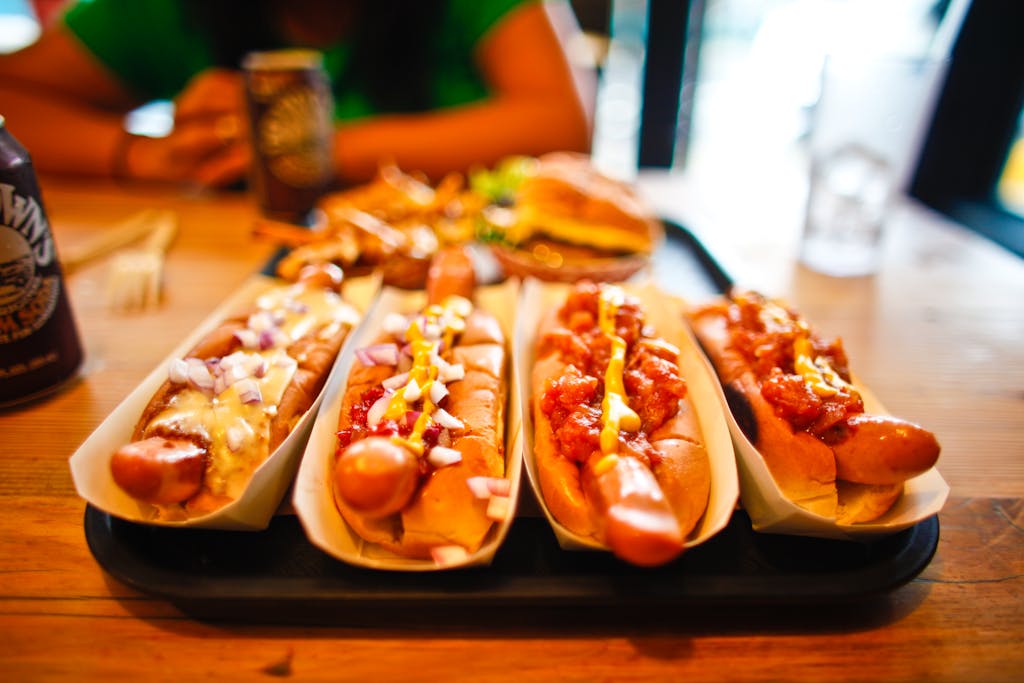
Madelyn Nicpon was a 20‑year‑old student athlete at Tufts University who took part in a charity hot dog-eating contest in Somerville, New York. At this event, she began to choke.
First responders at the contest attempted life‑saving measures on site and then rushed her to Massachusetts General Hospital. Despite their efforts, she lost her life the following afternoon.
Nicpon was a junior majoring in biopsychology and aspiring to a career in medicine. Her teammates and friends remembered her as a bright and outgoing person who was generous with her time and spirit. Her death shocked her community and served as a sobering reminder of how quickly a fun competition can turn tragic.
Dana Hutchins
Dana Hutchins, a 41‑year‑old father, died after choking while competing in a taco-eating competition at a minor league baseball game in Fresno, California. The event took place at the Fresno Grizzlies’ home stadium. Witnesses reported that Hutchins collapsed face-first and fell to the ground during the contest.
An autopsy determined that he died from choking. Hutchins’ family later filed a lawsuit against the event organizers, Fresno Sports and Events, alleging that he was not informed of the risks associated with eating contests and was not properly prepared or trained for the challenge. This case highlighted concerns about safety and supervision at amateur eating competitions.
Fredy Jayadi
Fredy Jayadi, a 45‑year‑old man from Indonesia, was competing in a chicken-eating contest at a KFC event called “Eat or Treat” in West Jakarta. His goal was to eat as many wings as possible, but the third wing he swallowed became stuck in his throat. Jayadi collapsed at the contest and was taken to a local hospital, where he later died.
In response to the incident, event organizers canceled the contest and issued a statement expressing support for Jayadi’s family and cooperation with authorities. Police investigations suggested that no medical personnel were present at the contest, a factor critics said could have made a difference. Had Jayadi won, he would have received a substantial cash prize.
Subhash Ladov

Subhash Ladov took part in an eating competition in India that involved swallowing hard‑boiled eggs. His challenge was to eat fifty eggs, and he had made it to forty‑one when he popped the forty‑second egg into his mouth. Witnesses said he fell unconscious almost immediately.
Ladov was taken first to a local clinic and then to a larger hospital for treatment. He never regained consciousness and died hours later.
According to commentators, consuming fifty eggs represents a volume of food far beyond what an average stomach can safely accommodate. This tragic death shows the danger of attempting extreme feats of eating on a dare or bet without understanding the physical limits of the body.
Caitlin Nelson
Caitlin Nelson was a 20‑year‑old student at Sacred Heart University when she participated in a pancake-eating contest. The event was described as a fun gathering until she began choking. Police and bystanders, including nursing students at the contest, attempted to help her while paramedics were on the scene.
Nelson was taken to a hospital in Connecticut and later transferred to another medical center in New York. Unfortunately, she died three days after the event due to complications related to choking. After her death, her family pursued legal action against the university, resulting in a settlement. Her involvement in the contest underscores how even seemingly harmless food challenges can have fatal outcomes when choking hazards are involved.
Travis Malouff
Travis Malouff, age 42, took part in an eating challenge at Voodoo Doughnuts in Denver, Colorado. The event’s rules required participants to eat a very large glazed doughnut within a set time frame. Paramedics were called after reports that he was choking. Malouff was pronounced dead at the scene.
Local outlets quoted an eyewitness who said he was taking part in a known eating challenge at the doughnut shop when he began to choke. Medical examiners confirmed the cause of death was choking. This incident sparked public debate about the safety of such food challenges and whether businesses that host them should provide clearer warnings or oversight.
Unidentified 60‑Year‑Old Woman

A sixty‑year‑old woman in Australia died after choking and suffering a seizure during a lamington‑eating contest at the Beach House Hotel in Hervey Bay, Queensland. The event was part of an Australia Day tradition that attracted a large crowd.
Lamingtons are sponge cakes coated with chocolate and coconut. After the woman began to choke, she was taken to a local hospital, where she later died. Local authorities stated that the death was not suspicious and expressed condolences to the family. This death highlighted how eating contests at cultural events can pose risks, especially when participants of varying ages are involved.
Adam Deely
Adam Deely was a young graphic design student who worked nights at a nightclub in Swansea, United Kingdom. After an evening event, he and his friends held an unofficial eating contest over fairy cakes. The aim was to see who could fit the most cakes into their mouths and swallow them.
Deely managed to cram several cakes into his mouth before choking. He collapsed and began convulsing before he could be helped. Attempts to resuscitate him were unsuccessful, and he was pronounced dead at the local hospital in the early hours of the morning. An inquest described the accident as tragic and a result of careless behavior during what began as a joke.
Mario Oscar Melo
Former professional boxer Mario Oscar Melo, age 65, suffered a fatal accident while participating in a croissant‑eating contest in Argentina. Spectators reported that he was on his third croissant when he began to choke.
Bystanders attempted abdominal thrusts to dislodge the pastry but were unable to save him. He was taken to Pinamar Hospital, where he was pronounced dead. Relatives initially thought he was joking when the choking began. There is some uncertainty over whether health factors such as diabetes may have contributed to his death, but choking was identified as the primary cause.
Edward Archbold

Edward Archbold, age 32, participated in an unusual eating contest at a reptile shop in Florida, where contestants consumed insects, including mealworms and cockroaches. After winning the competition, Archbold began to retch and collapsed.
Medical examiners determined that he died from asphyxia caused by choking and aspiration of stomach contents after arthropod body parts blocked his airway. Tests ruled out poisoning or other causes. Archbold’s death is perhaps the most dramatic example of how high‑risk food challenges can be even more dangerous than they appear due to choking hazards and unexpected physical reactions to certain foods.
Conclusion
These ten stories show that even though competitive eating can be entertaining or rewarding, it carries real hazards.
Anyone considering participating in an eating contest should be aware that a lack of preparation, inadequate supervision, and the physical limits of the human body can combine to tragic effect. Safety precautions and professional guidance are essential, but even they cannot eliminate all risks.