Coconut has built a glowing reputation in kitchens, bathrooms, smoothies, and wellness routines. One minute it is in your curry, the next it is in your hair mask, your coffee, your body lotion, and your “healthy” dessert. That tropical image makes it feel clean, natural, and almost impossible to overdo.
The problem is that coconut is still a powerful ingredient, not a magic shield. Coconut oil, coconut milk, coconut water, shredded coconut, and coconut-based snacks all affect the body in different ways. Used wisely, coconut can be useful. Used carelessly, it can quietly turn a healthy habit into something your body did not exactly ask for.
Treating Coconut Oil Like a Free Pass
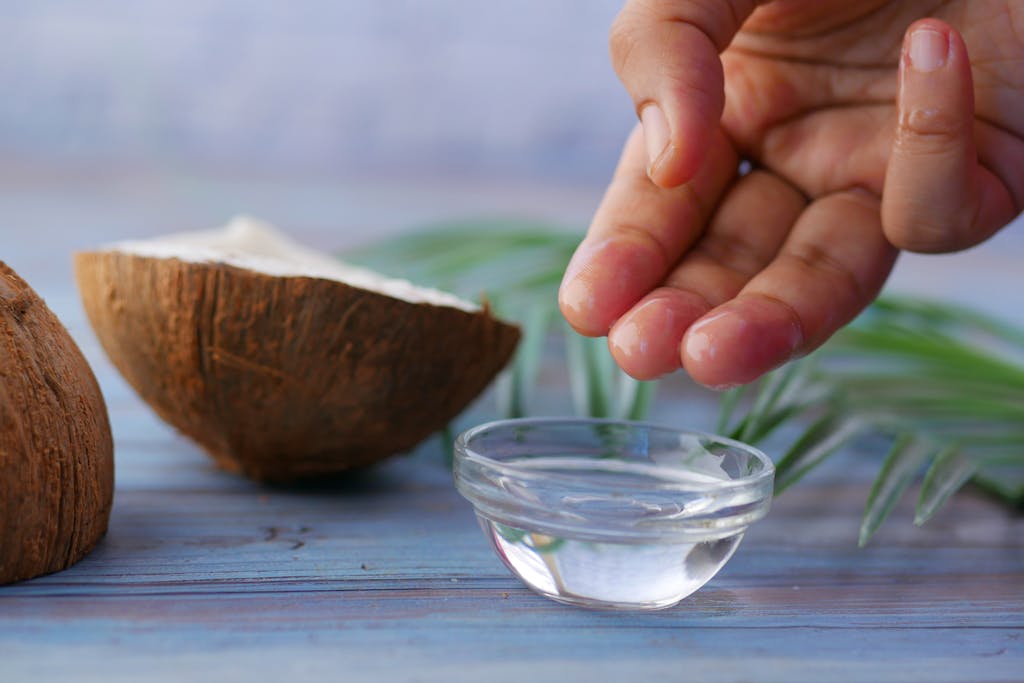
Coconut oil is praised for containing medium-chain fatty acid, which the body handles differently from some longer-chain fatty acid. That sounds impressive, and it can make people pour it into coffee, fry everything in it, and use it as their only cooking oil. The issue is that coconut oil is still rich in saturated fat, so “natural” does not automatically mean “eat as much as you want.”
The smarter move is to treat coconut oil as a flavor tool, not a lifestyle identity. A spoonful can add richness to stir-fries, roasted vegetables, baked goods, or curries. Trouble starts when it replaces every other fat in the kitchen. Olive oil, avocado oil, nuts, seeds, and fatty fish provide different nutrients. Coconut oil can sit in that lineup, but it should not take over the whole plate.
Believing Coconut Water Fixes Everything

Coconut water feels like the wellness world’s favorite shortcut. It looks refreshing, tastes light, and gets marketed as the clean answer to hydration, workouts, hangovers, and hot weather. It contains electrolytes, especially potassium, which can be useful after sweating or after spending time in the heat. Still, that does not mean every bottle deserves a halo.
Some coconut water brands add sugar or flavoring, which can turn a simple drink into a sneaky calorie boost. Even plain coconut water can be unnecessary if you are just sitting at a desk or doing a short walk around the block. For most daily hydration needs, regular water still does the job beautifully. Coconut water makes more sense after heavy sweating, long outdoor activity, or a workout that actually leaves you drained.
Using Coconut Oil on Every Skin Type
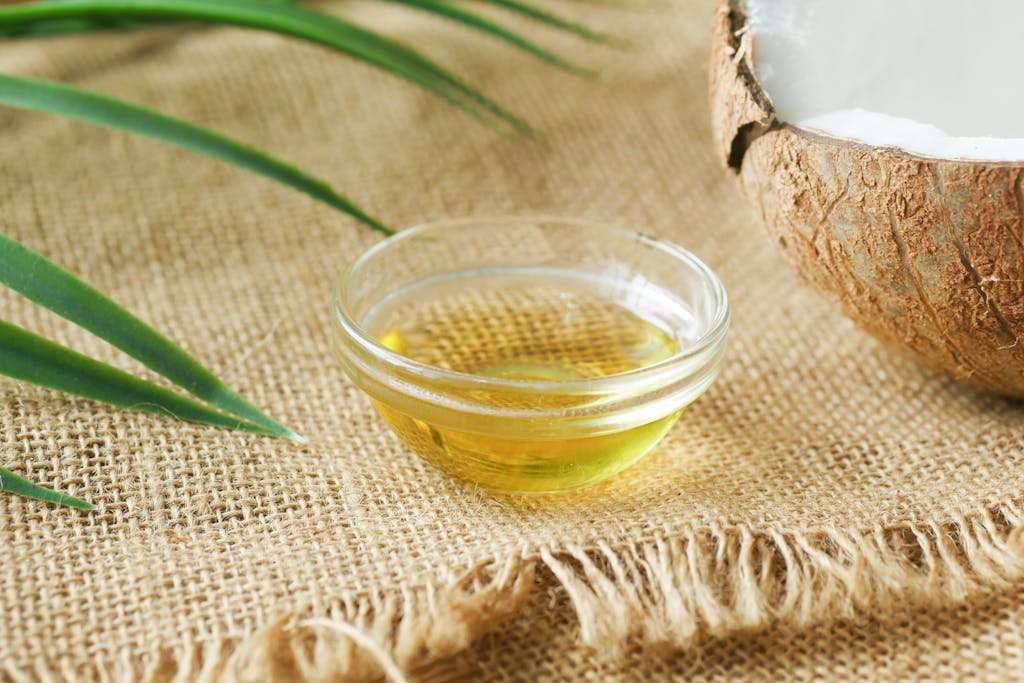
Coconut oil has a cozy, silky feel, which makes it tempting to use as a body moisturizer, makeup remover, cuticle softener, or dry-skin rescue. For some people, it works well on rough elbows, dry legs, or cracked heels. It can help seal in moisture, especially when applied after a shower. That is why so many people swear by it.
The problem shows up when coconut oil meets acne-prone or easily clogged skin. It can feel nourishing at first, then leave some people with bumps, breakouts, or greasy buildup. The face is especially risky because it is more sensitive than the body. If someone wants to use coconut oil on skin, a small patch test is the safest first step. Coconut oil may be a great body product for one person and a pore-clogging nightmare for another.
Ignoring the Calories in Coconut Milk and Cream
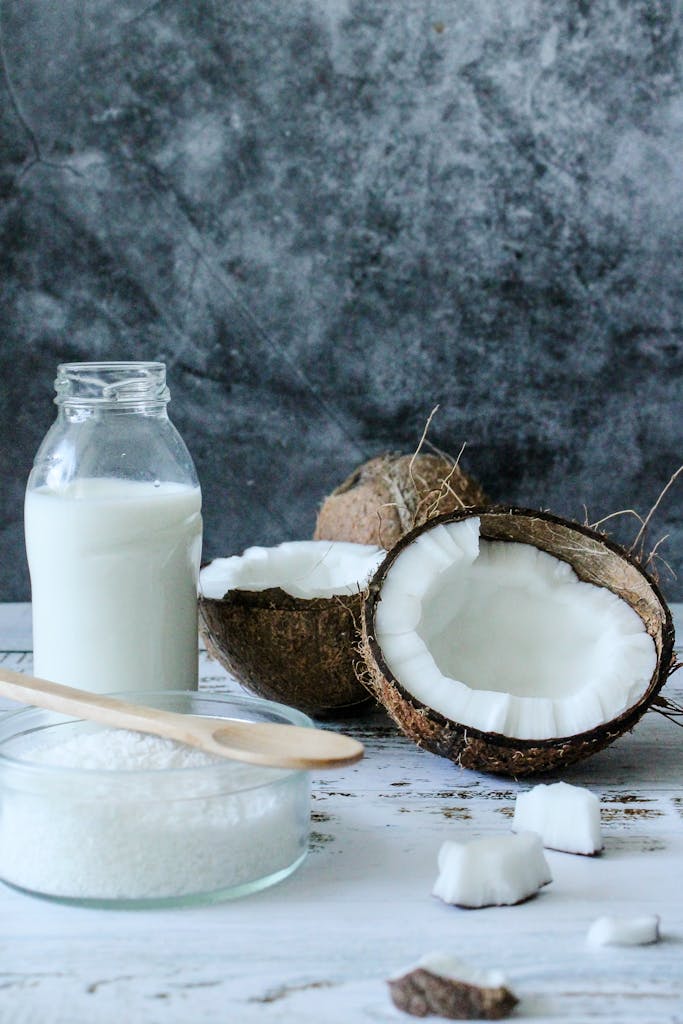
Coconut milk can make soups, curries, sauces, oats, smoothies, and desserts taste luxurious. It brings a creamy texture without dairy, which is why it is loved by vegans, lactose-sensitive eaters, and anyone who enjoys a rich tropical flavor. The problem is that canned coconut milk and coconut cream can be calorie-dense very quickly. A small splash feels harmless, but recipes often use much more than people realize.
This does not mean coconut milk is bad. It means portion size matters. Light coconut milk, smaller amounts of full-fat coconut milk, or mixing it with broth can keep the flavor without turning every meal into a heavy one. Coconut cream is best treated like a rich ingredient, not a casual add-on. It belongs in the same mental category as heavy cream: delicious, useful, and easy to overuse.
Assuming Coconut Snacks Are Automatically Healthy
Coconut chips, coconut cookies, coconut clusters, coconut yogurts, coconut granola, and coconut ice cream can look healthier than ordinary snacks. The packaging often leans into words like plant-based, tropical, gluten-free, organic, or dairy-free. Those words may be true, but they do not always mean the snack is light, balanced, or low in sugar. A coconut cookie is still a cookie, even if it sounds like it came from a beach retreat.
The label tells the real story. Many coconut-based snacks combine coconut with sugar, syrups, chocolate, refined flour, or extra oils. That can make them satisfying, but it also means they should be treated like treats. Plain shredded coconut, unsweetened coconut flakes, or a small amount of coconut in oatmeal can be a better everyday choice. Coconut can add flavor and texture, but it should not become a disguise for dessert.
Conclusion
Coconut is not the villain, but the hype can make people use it carelessly. Coconut oil, coconut water, coconut milk, and coconut snacks all have a place, but each one comes with a catch. The healthiest approach is simple: enjoy coconut for flavor, texture, and variety, but stop treating it like a cure-all.
Used in moderation, coconut can make food richer, drinks more refreshing, and body care feel more luxurious. Used without limits, it can add extra saturated fat, sugar, calories, or skin problems before you notice the pattern. The best coconut habit is the one that still leaves room for balance.