Sleep does not usually fall apart in one dramatic moment. It often gets stolen in small pieces: one late coffee, one extra scroll, one heavy snack, one stressful message, one bright screen glowing inches from your face. By the time you finally lie down, your body may be in bed, but your brain is still standing under fluorescent lights, wide awake and annoyed.
That is why bedtime routines matter more than many people want to admit. A bad night is not always random. Sometimes, it is the result of choices made in the final hours before sleep, when the body is trying to slow down, but the mind keeps receiving signals to stay alert.
The cruel part is that many of these habits feel harmless. They feel relaxed. They feel normal. Yet night after night, they can train the body to fight sleep rather than welcome it. Here are eight bedtime habits that quietly ruin your sleep before you even close your eyes.
Drinking Caffeine Too Late Can Keep Your Brain on High Alert

That afternoon coffee may feel like survival, especially after a long workday, but caffeine does not disappear just because the cup is empty. It can stay active in the body for hours, keeping the nervous system more alert than it should be at night. Coffee, tea, energy drinks, cola, chocolate, and some pain relievers can all contain caffeine, which means the problem is not always obvious.
The mistake many people make is thinking caffeine only matters right before bed. In reality, a late afternoon or evening dose can still disturb sleep later. You may eventually fall asleep, but the sleep can feel lighter, shorter, or more restless. If nights feel broken and mornings feel heavy, caffeine timing should be one of the first habits to check.
Eating Heavy Meals Too Close to Bed Can Turn Digestion into a Night Shift

A big meal at night can feel comforting, but the body may not see it that way. When you lie down soon after eating, digestion becomes harder, especially if the meal is greasy, spicy, rich, or oversized. The stomach is still working, the body is still processing food, and discomfort can creep in just when sleep should begin.
Late heavy meals can also trigger heartburn, bloating, nausea, and that unpleasant full feeling that makes turning over in bed feel like a chore. This does not mean you should go to bed starving. It means dinner should give the body enough time to settle before sleep. A light snack may help some people, but a full meal right before bed often makes the night feel heavier than it needs to be.
Using Your Phone in Bed Can Trick Your Mind into Staying Awake
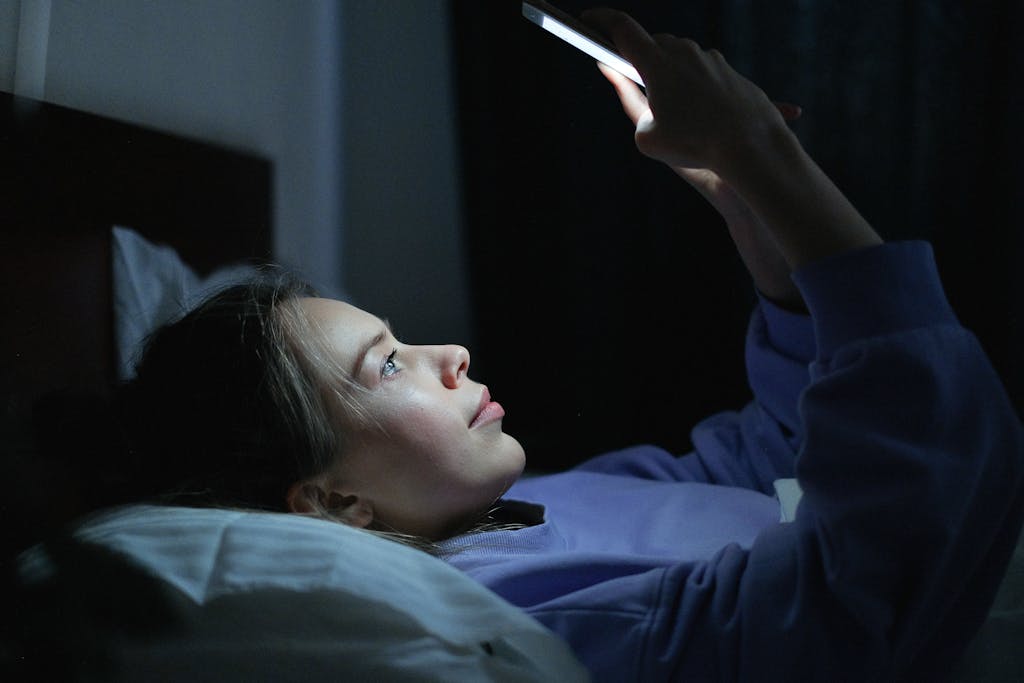
The phone is one of the most dangerous sleep thieves because it does not look dangerous. It sits quietly in your hand, offering videos, messages, news, games, gossip, and one more thing to check. The problem is that screens can keep the brain alert when it should be winding down. Bright light, fast content, emotional posts, and endless scrolling all tell the mind that the day is still open for business.
The bed should be a place where the body learns to relax. When it becomes a scrolling station, the brain starts associating the bed with stimulation rather than sleep. One short check can turn into forty minutes without warning. By then, the eyes are tired, the brain is wired, and sleep has moved further away.
Drinking Alcohol at Night Can Betray You After Midnight

Alcohol can make people feel sleepy at first, which is why many adults mistake it for a sleep aid. The problem often appears later in the night. As the body processes alcohol, sleep can become lighter and more disturbed. People may wake up more often, sweat more, snore more, feel dehydrated, or rise in the morning feeling dull instead of restored.
This is one of the most frustrating bedtime traps because alcohol may seem to work at the beginning. It can help the body drift off, then quietly damage the quality of the sleep that follows. The result is a night that looks long on the clock but feels poor in the body. If sleep feels shallow or broken after evening drinks, alcohol may be the hidden reason.
Exercising Too Hard Too Late Can Leave the Body Too Fired Up

Exercise is one of the best habits for better health and better sleep, but timing matters. A gentle walk, stretching, or calm yoga may help the body relax. A hard workout close to bedtime can have the opposite effect. Intense movement can raise heart rate, body temperature, adrenaline, and mental alertness, making it harder to calm down when the lights go off.
The body needs time to move from action mode into rest mode. When a person finishes a demanding workout and jumps straight into bed, sleep may feel strangely out of reach. This does not mean evening exercise is always bad. It means high-intensity training should not be treated like a lullaby. The harder the workout, the more space the body may need before sleep.
Working, Arguing, or Reading Stressful Messages Can Poison the Mood of the Night
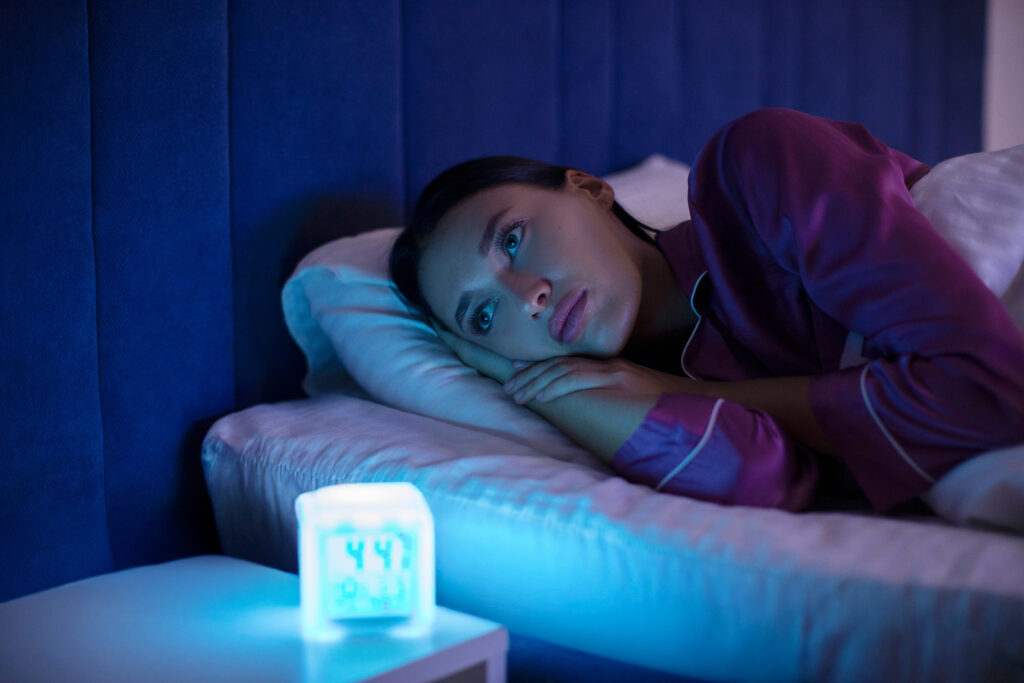
Some people ruin sleep before bed without touching coffee, food, or alcohol. They do it with stress. They open work emails, check bills, replay family drama, argue over text, read upsetting news, or start a difficult conversation when their minds are already tired. The body may be physically still, but emotionally it is pacing the room.
Stress before bed can make the brain rehearse problems rather than let them go. One message can turn into a mental courtroom where every sentence gets replayed, defended, and rewritten. This is why a peaceful wind-down matters. Not every problem deserves the final hour of your day. Some conversations belong in daylight, when the mind is clearer, and the body is not begging for rest.
Taking a Hot Shower Too Close to Bed Can Leave You Overheated
A warm shower can be relaxing, but timing matters. Sleep works best when the body begins to cool down. If a shower or bath is too hot and too close to bedtime, it can leave the body feeling overheated, sweaty, or uncomfortable. Instead of easing into sleep, you may end up tossing around trying to cool off.
This does not mean warm showers are bad for sleep. For many people, they can be helpful when done early enough. The problem is jumping from hot water straight into bed before the body has had time to settle. A better routine creates a cooling window, keeps the room comfortable, and prevents the bed from becoming a warm trap.
Letting Pets Take Over the Bed Can Break Your Sleep Without You Noticing
Pets can bring comfort, warmth, and a sense of safety. They can also steal sleep in tiny ways. A dog shifting position, a cat walking across the bed, scratching, licking, snoring, jumping down, jumping back up, or taking over the best sleeping spot can interrupt rest even when you do not fully wake up. The body may register those small disruptions all night.
This is a personal choice, and many people love sleeping near their pets. The issue begins when affection starts costing real rest. If you wake up tired, cramped, or irritated, the pet arrangement may need a reset. A nearby pet bed can provide comfort without turning your mattress into a nightly obstacle course.
Conclusion
Good sleep is not just about what happens after your eyes close. It starts in the hours before bed, when your body decides whether the night feels safe, calm, cool, dark, and predictable. Every evening habit sends a signal. Caffeine says, ” Wake up. Screens say pay attention. Alcohol says relax now, but pay later. Stress says stay ready. Heavy food says keep working.
The better path is not complicated. Keep the final hour lighter, quieter, and less stimulating. Move hard workouts earlier. Eat dinner with enough time to digest. Put the phone away before it hijacks the night. Give stressful conversations a boundary. Keep the bedroom cool, dark, and calm.
Sleep is not laziness. It is a repair. It is memory, mood, patience, immunity, focus, and emotional balance. When bedtime becomes a dumping ground for the day’s worst habits, the body pays for it in the morning. But when the night is protected, sleep stops feeling like a fight and starts feeling like a return.
Most bad nights do not begin at midnight. They begin earlier, when small choices quietly push the body away from rest. A late drink, a glowing phone, a heavy meal, a heated argument, or a hard workout may seem harmless in the moment, but the body keeps the receipt.
The goal is not to create a perfect bedtime routine that feels impossible to maintain. The goal is to remove the biggest sleep thieves one by one. Protect the last hour of the day, and the night becomes easier to trust. A better morning often starts with what you stop doing before bed.
For medical accuracy, the article follows CDC sleep hygiene guidance on avoiding late caffeine, alcohol, large meals, and screens before bed, plus Mayo Clinic guidance on caffeine, nicotine, alcohol, heavy meals, and exercise timing.