Food preservation is not just a matter of survival; it’s a reflection of a community’s resilience, ecological wisdom, and innovative spirit. Long before modern technologies like refrigeration and chemical preservatives, African communities crafted a wide array of preservation techniques to extend the shelf life of their food. These methods were not only practical but were intimately tied to culture, tradition, and local knowledge, influencing everything from daily meals to seasonal food security. This article delves into the time-honored food preservation methods used across African communities, emphasizing their scientific underpinnings and relevance in today’s food science landscape.
Sun Drying
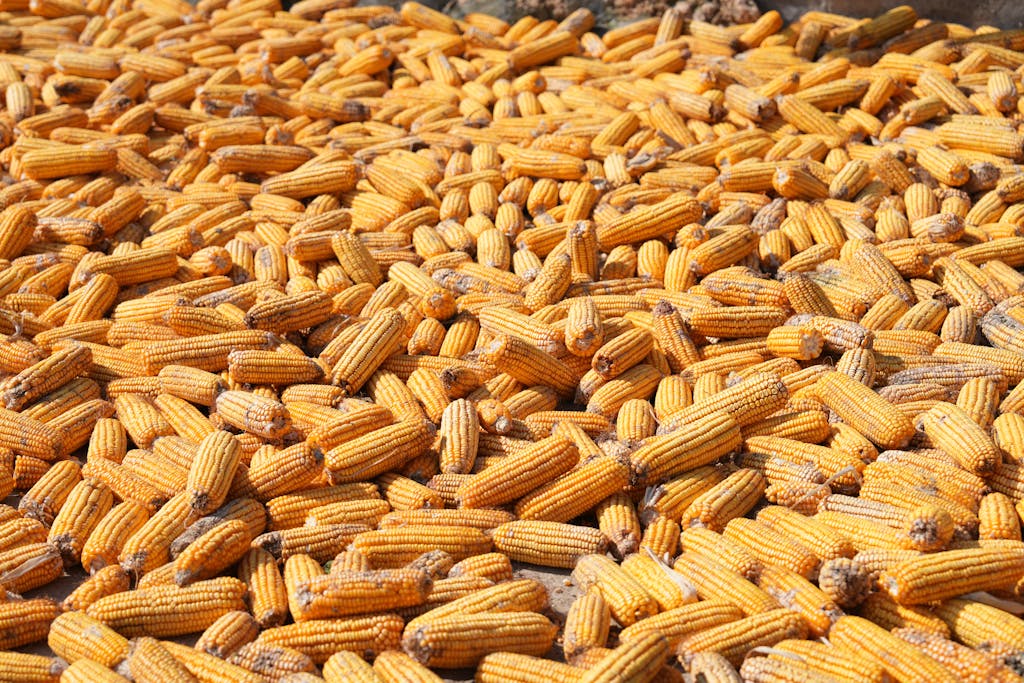
Sun drying is perhaps one of the oldest food preservation methods known to humankind. In Africa, this technique has been used to preserve fruits, vegetables, meats, and fish. By drying food under the intense heat of the African sun, communities reduce the moisture content of food, making it inhospitable for the growth of spoilage microorganisms. This simple yet effective technique extends the shelf life of food for months, if not longer. Today, modern food science still relies on dehydration as a standard preservation method, proving that ancient practices had practical merit.
Fermentation
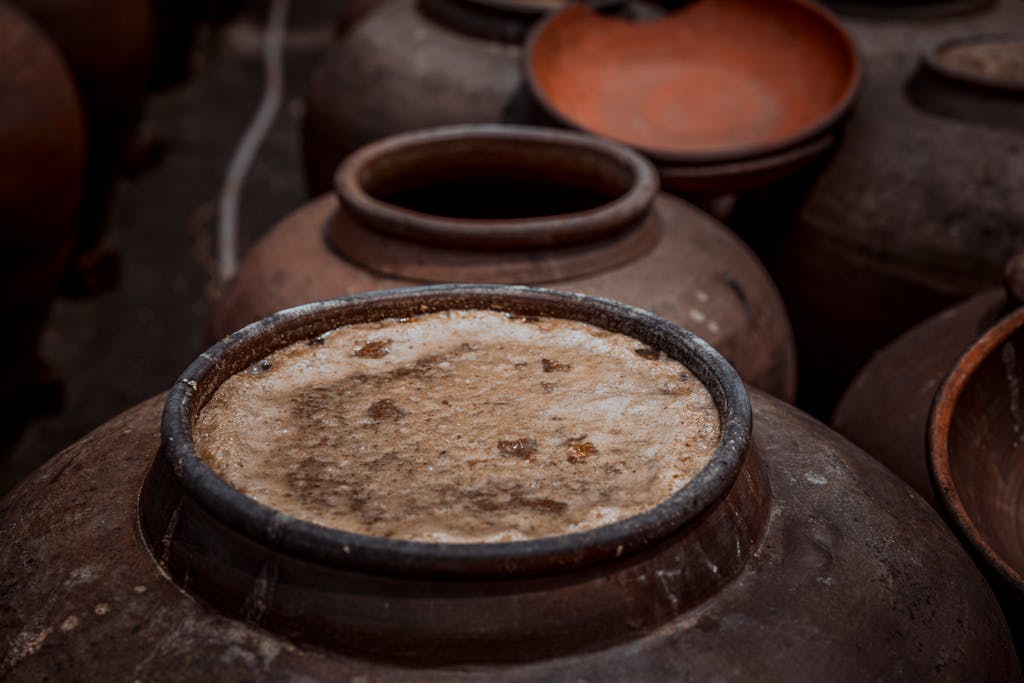
Fermentation, a method widely used in African culinary traditions, is both a preservation technique and a way to enhance food’s nutritional value. Foods such as millet, sorghum, and maize undergo fermentation, enriching them with probiotics that promote gut health. In addition to inhibiting microbial growth, fermentation can increase the bioavailability of certain nutrients, making them more accessible to the body. African communities used fermentation not just to preserve food but also to make it more nutritious and digestible, laying the groundwork for what is now recognized as a critical food processing technique.
Smoking

Smoking is another ancient method of food preservation that continues to be widely practiced in Africa. Smoking meats and fish is done by exposing them to smoke from burning wood or herbs, which imparts a distinctive flavor while also preserving the food. The smoking process reduces the moisture content of the food and introduces chemicals that slow down microbial growth, increasing the food’s shelf life. This method is not only practical but deeply embedded in African cultural practices, where different types of wood or herbs are chosen to impart unique flavors.
Salting
Salting is one of the most ancient and globally practiced methods of food preservation, and it holds a significant place in African food preservation practices. Salt draws moisture out of food, creating an environment that inhibits the growth of bacteria, fungi, and other spoilage organisms. In many African communities, salt is used to preserve fish, meat, and even certain vegetables. This method not only preserves the food but also enhances its flavor, allowing communities to store food for long periods, especially in the absence of refrigeration.
Use of Clay Pots
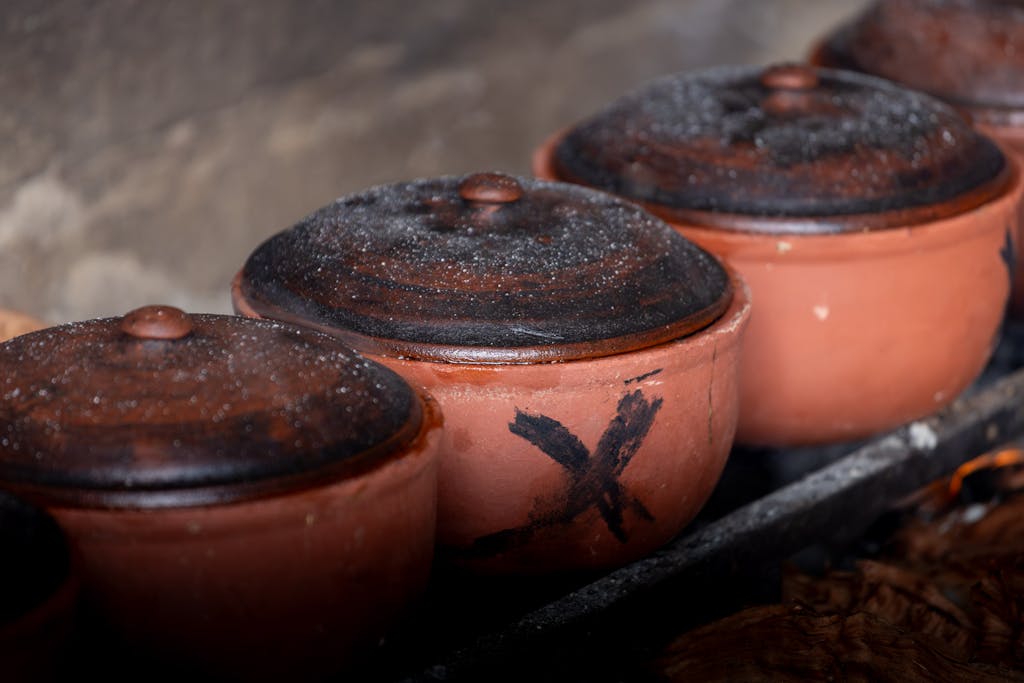
Clay pots are an iconic tool in African food preservation. These porous containers allow air circulation while maintaining an optimal temperature and humidity level inside, which helps to prolong the shelf life of food. They are especially useful for storing grains, fruits, and vegetables. Clay pots help in maintaining the food’s flavor and texture, while also preventing the entry of contaminants. This age-old method offers benefits that modern airtight containers may lack, demonstrating the advanced ecological knowledge that African communities have long employed in food preservation.
Aromatic Herbs and Spices
In many African communities, herbs and spices are not only used for flavoring food but also for preservation. Ingredients like thyme, rosemary, and garlic have natural antimicrobial properties that help in preserving meats, fish, and vegetables. These aromatic plants were often used as part of the preparation process to ensure that food stayed fresh for longer periods. In addition to their preservative function, these herbs and spices also contribute to the cultural identity and flavor profiles of African cuisines.
Ashes
The use of ashes for food preservation might seem unconventional, but it is a method that has been used by many African communities for centuries. Ashes are used to cover food items, particularly tubers like yams and cassava, to protect them from pests and spoilage. The alkaline nature of ash also helps to reduce microbial growth, preserving the integrity of the food for extended periods. This technique not only preserves food but also ensures that it remains safe to consume, preventing it from being ruined by bacteria or other harmful microorganisms.
Plant Leaves
Plant leaves have long been used across Africa to wrap and preserve food, especially in rural areas where modern preservatives may be scarce. Leaves such as those from banana or maize plants offer a natural, biodegradable wrapping that protects food from contaminants and spoilage. This practice is sustainable, ecologically friendly, and a testament to the ingenuity of African communities in utilizing local resources to preserve their food. These methods are still used today and are a direct link to the sustainable agricultural practices that African societies have historically embraced.
The Science Behind African Food Preservation Techniques
The traditional food preservation methods used by African communities are not only practical but also scientifically sound. These techniques work by altering the physical, chemical, and biological properties of food, extending shelf life, and inhibiting microbial growth. By controlling water activity, reducing moisture content, and introducing antimicrobial agents, these methods mirror the scientific principles behind modern food preservation technologies like dehydration, fermentation, and chemical preservatives.
Many of these methods are still relevant today, contributing to food and nutrition security across Africa. As the world faces challenges such as climate change, food scarcity, and the need for sustainable food systems, these time-honored preservation techniques offer valuable insights for modern food science and technology.
Conclusion
In an age where modern technologies dominate food preservation, it is essential to recognize and value the traditional methods developed by African communities. These practices not only provide insight into the cultural and ecological knowledge of the past but also offer practical solutions for today’s global food security challenges. By combining the wisdom of traditional techniques with modern science, we can develop more sustainable, efficient, and culturally sensitive food preservation methods that will benefit communities worldwide.