Consider the environmental cost of the food you consume every day. From your morning coffee to the chocolate bar you enjoy as a snack, the crops behind these items can have a significant impact on the environment. Issues such as deforestation, water depletion, and climate change are connected to the crops that drive global agriculture.
This article explores 10 major crops affecting the planet, highlights their environmental costs, and discusses ways to adapt farming and consumption habits to help protect Earth’s ecosystems.
Rice
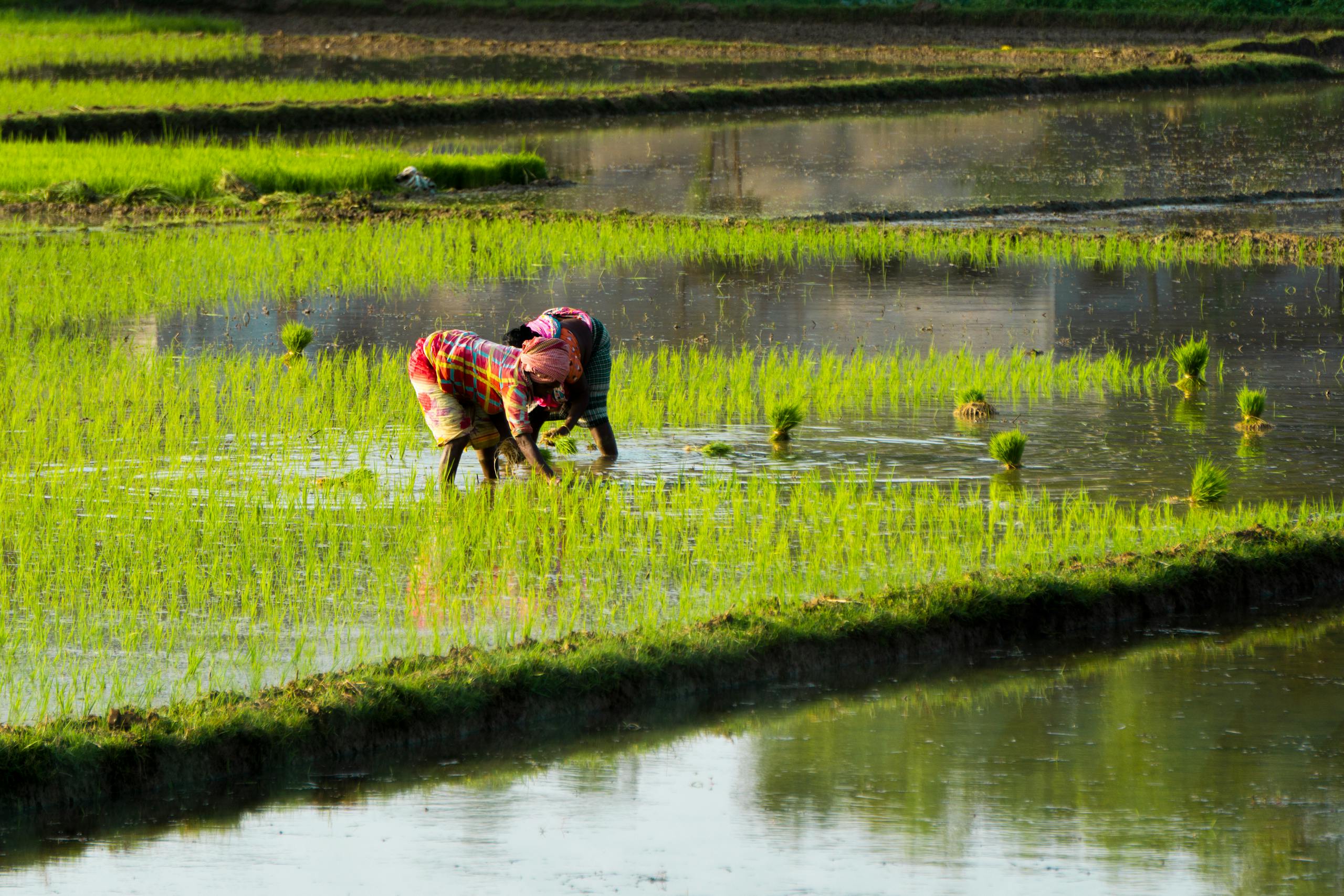
Rice feeds billions but emits significant methane. Flooded fields foster methane-producing bacteria, making rice cultivation a major source of greenhouse gases. Methane traps heat far more than carbon dioxide, accelerating global warming.
Support sustainable rice farming by choosing products labeled as using water-saving, methane-reducing methods, such as aerobic rice farming, and advocate for these practices in your community.
Corn
Corn yields are high, but so are its environmental costs. Heavy irrigation and fertilizers cause water loss, particularly in drought areas. Nitrogen runoff from corn pollutes waterways and causes ocean dead zones.
Corn’s influence extends beyond farms; corn-based ingredients in processed foods amplify its ecosystem effects.
Cotton
Cotton is a staple fabric, but it is extremely water-intensive. Making one t-shirt requires about 2,700 liters of water. Cotton farms often use large amounts of pesticides and fertilizers, degrading soil and contaminating water. Cotton’s environmental footprint is considerable.
Choose products made from certified organic cotton or marked as sustainably farmed. Ask retailers and brands to prioritize environmentally friendly cotton sourcing.
Avocados
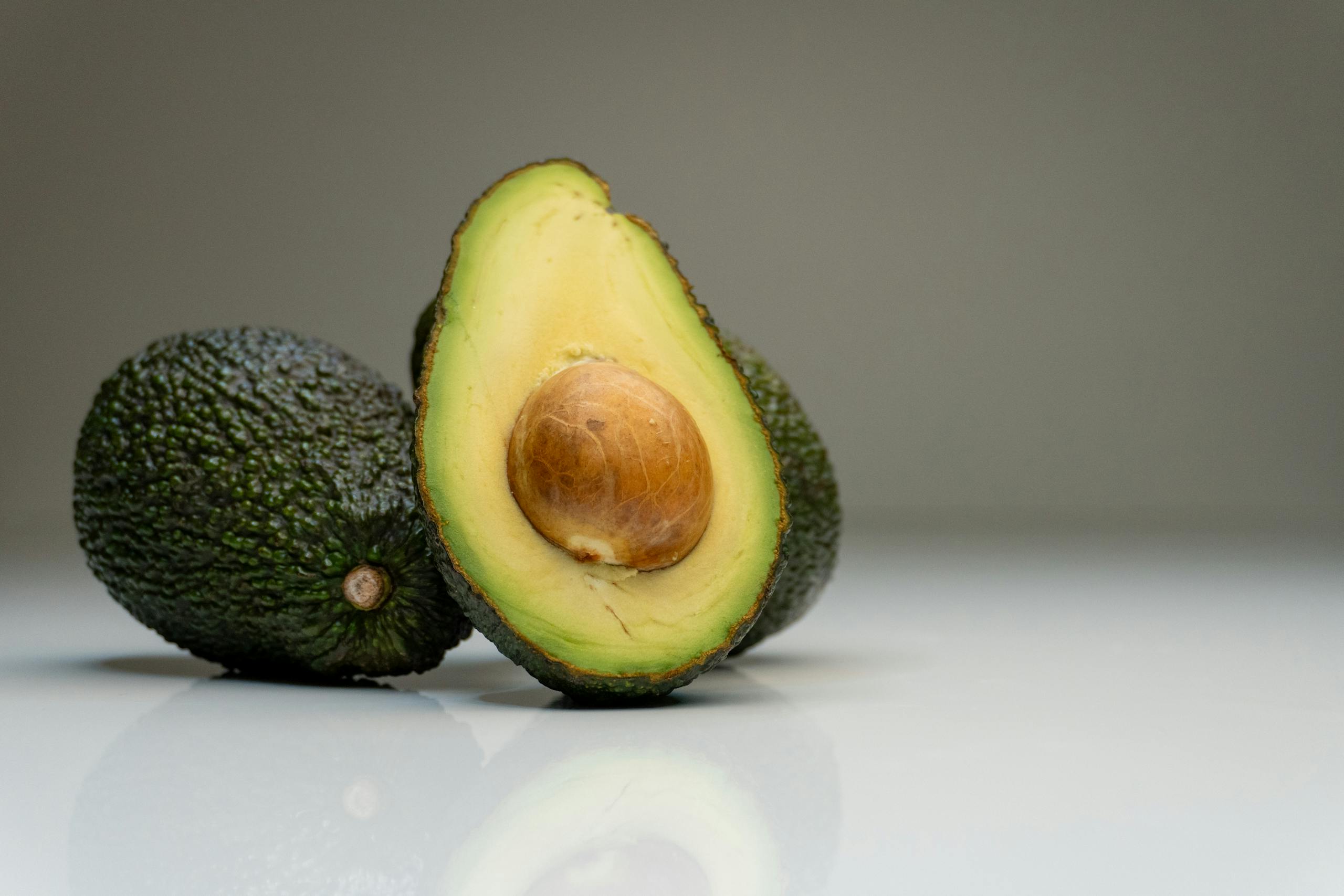
Avocados are popular but environmentally costly. In major growers like Mexico, large-scale avocado farming strains water resources and drives deforestation. Producing one avocado can use up to 320 liters of water, raising concerns about water scarcity.
Buy avocados labeled as sustainably produced and limit consumption when possible. Encourage stores and restaurants to stock sustainably farmed avocados.
Palm Oil
Palm oil is found in processed foods, cosmetics, cleaning products, and biofuels. Its demand causes rainforest destruction, especially in Southeast Asia, by replacing diverse ecosystems with monocultures. This reduces biodiversity and releases carbon, thereby increasing greenhouse gas levels.
Purchase products only if they feature sustainable palm oil certifications, such as RSPO, and ask companies to commit to using certified palm oil in their goods.
Sugarcane
Sugarcane produces sugar and biofuel, but greatly harms the environment. Large-scale farming causes deforestation in the tropics. Sugarcane also consumes large amounts of water and chemicals, polluting soil and water.
Buy sugar and biofuel labeled as sustainably farmed or certified as responsibly grown. Urge brands to adopt environmentally responsible sugarcane practices.
Bananas

Bananas are popular but have environmental costs. Monoculture farming makes bananas vulnerable to pests, increasing pesticide use. Soil depletion and high water consumption from banana farming hurt ecosystems.
Support Fair Trade and certified sustainable banana brands. Ask grocers to carry bananas from suppliers who use eco-friendly farming methods.
Cocoa
Cocoa is the key ingredient in chocolate, but its cultivation has serious environmental implications. Large cocoa plantations have contributed to deforestation in tropical regions, particularly in West Africa. In addition to habitat loss, cocoa farming also leads to soil degradation and water pollution, harming local communities and ecosystems.
Buy chocolate only if labeled as sustainable or shade-grown cocoa. Encourage retailers to offer chocolate sourced from responsible growers.
Coffee
Many rely on coffee, but it has a significant environmental impact. Coffee farming often leads to deforestation and the use of chemicals that degrade soil and water. Coffee is sensitive to rising temperatures, which worsens climate change. Sun-grown coffee increases water loss and biodiversity decline.
Buy only shade-grown or certified organic coffee. Request that local cafes offer eco-friendly coffee, supporting farmers who use sustainable methods.
Soybeans

Soybeans, used in products like tofu, can harm the environment. Soy farming, especially for animal feed, drives Amazon deforestation, reducing biodiversity and increasing greenhouse emissions.
Select foods made with certified sustainable soy and press companies you buy from to source from sustainable soy farmers.
Conclusion
These 10 crops illustrate how agriculture can harm the planet. Activities like deforestation, water depletion, and greenhouse gas emissions affect Earth’s ecosystems. Solutions are possible.
Practice sustainable purchasing by choosing certified, eco-friendly products and favoring brands with environmental commitments.
Regularly ask your favorite brands to explain their sustainability practices, and encourage friends and community members to make informed choices. Every action helps build a more sustainable future for agriculture.