Pete Duel was the kind of actor who could light up a room or a television screen with a single glance. To fans of Alias Smith and Jones, he was Hannibal Heyes, the clever, quick-witted outlaw whose charm made the series a hit in the early 1970s. Behind that charm, however, was a man struggling with pressures few could see, a rising star quietly weighed down by ambition, expectation, and personal demons.
Born in Rochester, New York, to Dr. Ellsworth S. Deuel and Lillian Ellstrom, Deuel grew up in comfort and privilege. But when he entered the world of acting, he attempted to hide his wealthy upbringing, altering his speech, dress, and demeanor to fit a more “everyman” image. The effort was short-lived, and when it became apparent, Duel chose to live authentically, yet the tension between who he was and the persona he presented lingered throughout his career.
Fame Came Fast but Felt Restrictive
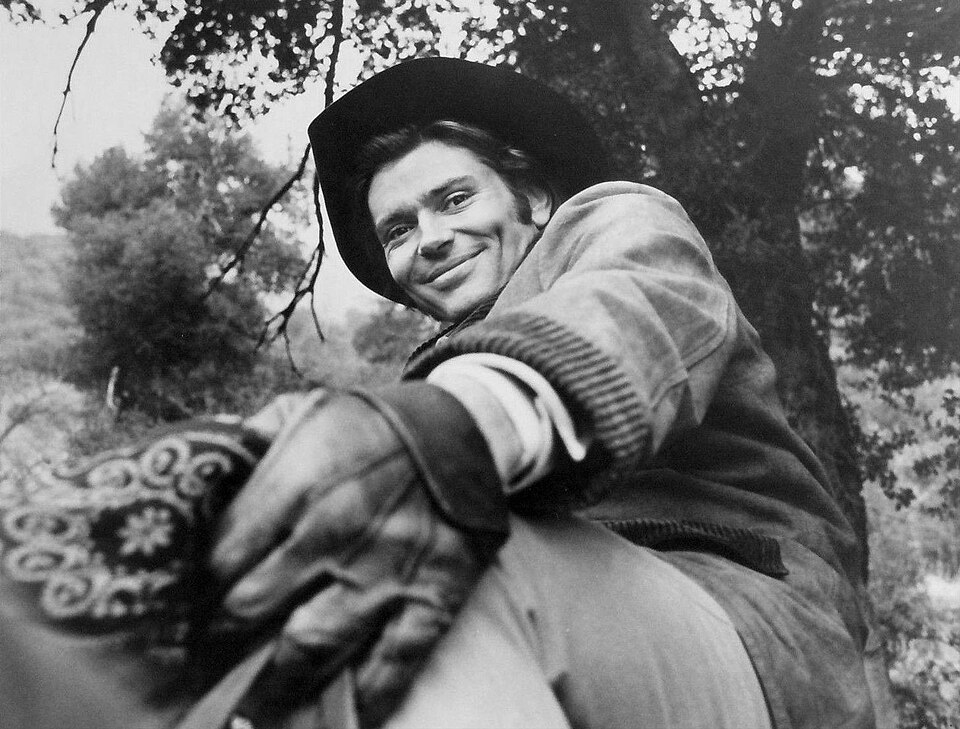
Alias Smith & Jones brought Duel national fame, but the very role that made him famous also became a source of frustration. He feared being typecast as Hannibal Heyes and longed for more challenging film roles that would let him explore the depth of his talent. The show’s success provided recognition, yet the repetitive nature of television and the slow decline in writing quality left him feeling creatively trapped. What appeared to audiences as a career high was, in many ways, a cage for Duel himself.
Private Struggles Behind the Spotlight
Duel’s personal life was equally turbulent. His relationship with Dianne Ray offered moments of stability, but balancing career demands with intimacy proved difficult. Following a breakup, he relapsed into alcohol abuse, which escalated to a drunk driving arrest and probation. Even after the couple reconciled, the combination of career disappointment and personal vulnerability left them in a fragile mental state, revealing how external success often masks internal struggle.
Mental Health in Hollywood of the 1970s
The pressures Duel faced were compounded by the era. The Hollywood of the early 1970s offered little in the way of mental health support. Depression, anxiety, and career burnout were stigmatized or ignored, leaving actors to cope privately, often with destructive habits. Duel’s experience illustrates the cruel reality that fame does not insulate one from emotional pain and that in some cases, it amplifies it.
The Final Night
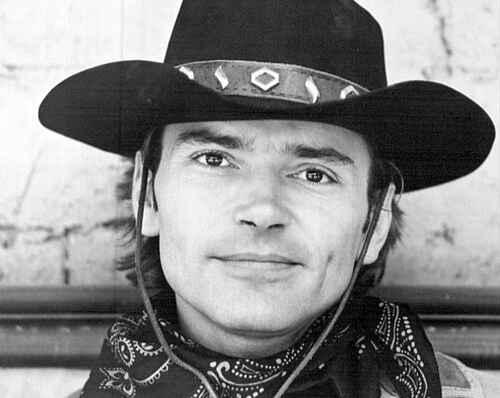
In the early hours of December 31, 1971, Duel’s life ended tragically. He had spent part of the evening with Dianne Ray, watching television, including an episode of Alias Smith and Jones. When Ray left the room briefly, she reportedly heard a gunshot. By the time she returned, Duel was lifeless near the Christmas tree. He was just 31 years old. The news shocked fans, colleagues, and friends who could not reconcile the image of a rising star with the reality of his despair.
A Legacy of Talent and Vulnerability
Colleagues like Ben Murphy and friends recalled Duel as tender-hearted, passionate, and fiercely human. His sister Pamela described him as “reckless yet compassionate, volatile but vulnerable,” and argued that his sensitive nature, combined with the pressures of Hollywood, contributed to his untimely death. Duel’s story underscores the complexity of fame: it offers visibility and admiration but does not guarantee safety, happiness, or fulfillment.
Pete Duel’s life and death remain a cautionary tale about ambition, mental health, and the human cost of early fame. His talent endures on screen, but his story reminds us that behind the charm, the applause, and the recognition, there can be invisible battles that are just as real and sometimes tragically final.