Abraham Lincoln is remembered as the president who held a fractured nation together, issued the Emancipation Proclamation, and became a towering symbol of freedom. Schools, monuments, and movies have immortalized him as the moral compass of a divided America.
But history is never that tidy. Lincoln was a complex man, shaped by his time, his politics, and the violent realities of the Civil War. He carried moral courage, yet he also wrestled with beliefs that feel uncomfortable today. Understanding the full Lincoln means confronting contradictions, compromises, and the racial prejudices he sometimes internalized.
Here are five ugly truths about Lincoln, revealing a man whose greatness was real but complicated.
Lincoln Prioritized Preserving the Union Over Immediate Freedom
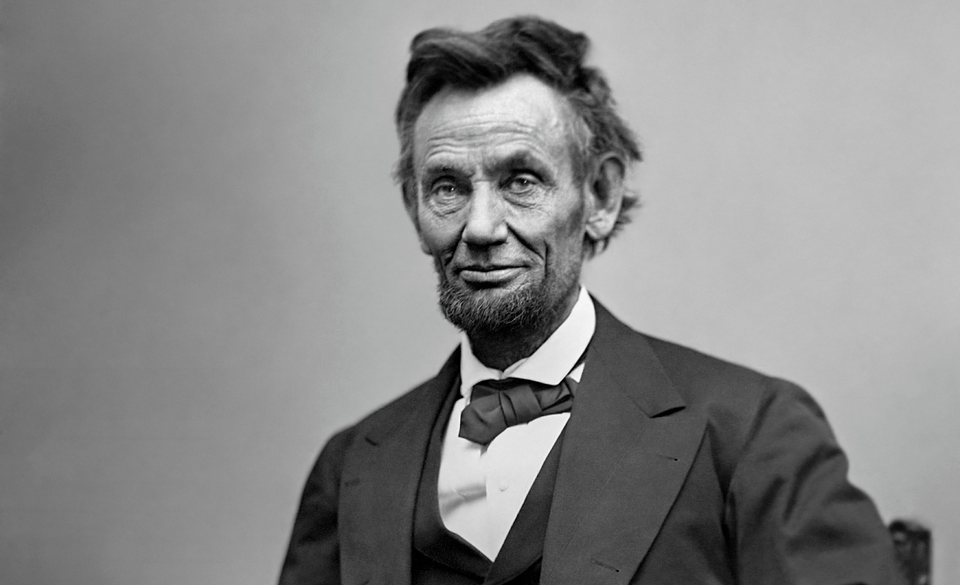
Most Americans celebrate Lincoln as the Great Emancipator, but the truth is that saving the Union came first. His early letters make this clear: if he could preserve the United States without freeing a single enslaved person, he would have done so. If freeing some or all of the slaves helped secure the Union, he would act.
This pragmatic approach reflects the brutal calculations of wartime leadership. Slavery was immoral, but Lincoln’s initial focus was political survival and national cohesion, not immediate justice for Black Americans. Freedom became a tool in a larger strategy, rather than the sole goal—a reality that forces us to separate moral heroism from political necessity.
He Blamed Black Americans for Civil Tensions at Times
In conversations about colonization, Lincoln suggested that Black Americans’ presence in the United States contributed to the outbreak of the Civil War. By framing enslaved and recently freed people as part of the problem, he placed an unfair burden on those who had endured generations of oppression.
This perspective reflects how even a forward-thinking leader could absorb the racist logic of his era. It also highlights why Lincoln’s later acknowledgment of Black Americans as critical to the Union war effort represented a significant, if belated, moral shift.
He Did Not Initially See Black Americans as Full Equals

Lincoln opposed slavery, yet he did not immediately envision Black Americans as socially or politically equal. Early in his presidency, he spoke of their suffering but implied they were “far removed” from white Americans in status and rights. He hesitated to support voting or civil participation for Black citizens, revealing a racial hierarchy even within his anti-slavery framework.
This mattered profoundly. Black leaders like Frederick Douglass had to actively challenge Lincoln, arguing that Black men could fight for the Union, claim citizenship, and demand legal equality. The story of emancipation is inseparable from Black Americans’ push to shape their own liberation. Lincoln’s evolution was real, but it was forced by courage outside of his own conscience.
He Supported Colonization Instead of Equality
Lincoln once proposed relocating freed Black Americans to colonies in Central America or Africa. He worried that white Americans would resist a truly integrated society and believed separation might ease racial tensions.
The idea was deeply insulting to Black Americans, who had already built lives, communities, and culture within the United States. It also underscores that Lincoln’s vision of freedom was bounded: he was not yet prepared to imagine a multiracial democracy where Black citizens could live as equals. Abolition, in this sense, was often framed as a problem to be managed rather than a moral imperative to be fulfilled.
The Emancipation Proclamation Was as Much a War Strategy as a Moral Decree

The Emancipation Proclamation remains one of Lincoln’s most celebrated acts, but it was also a calculated military order. Its timing and scope targeted Confederate-held territories and enabled Black men to enlist in the Union Army, turning freedom into a strategic asset.
This does not diminish its historic importance. It reshaped the war, empowered Black soldiers, and transformed slavery into a central national issue. But the reality that Lincoln’s decision was influenced by politics, public opinion, and military needs complicates the heroic narrative. His moral clarity emerged alongside, and sometimes because of, practical necessity.
Lincoln’s Legacy Is Complicated but Real
The honest Lincoln is harder to tell than the statue or the myth, but he is far more instructive. He was a leader, a politician, and a man wrestling with the racial attitudes of his time. He evolved because of war, activism, and the courage of Black Americans who refused to wait for salvation.
Lincoln’s greatness lies in his ability to change, but it also rests on the efforts of those he initially underestimated. Slavery ended, the Union survived, and a path toward equality opened, but it was paved by complexity, contradiction, and struggle. Recognizing Lincoln’s flaws makes his achievements more human, more tangible, and, in a sense, more extraordinary.