We trust food names. They tell us what we’re ordering, where it comes from, and sometimes what to expect until they don’t. Some dishes carry place names so convincingly that you assume they were invented there, only to discover the real story is far stranger (and far more interesting).
From Italian‑sounding pasta dishes that never saw a trattoria in Rome to “Texas” meals born in New Jersey, culinary history is full of surprises. These ten foods may sound rooted in geography, but their stories prove that names can be clever branding, accidental misattribution, or just creative marketing, not actual origin points.
Philly Cheesesteak Not from All of Philadelphia
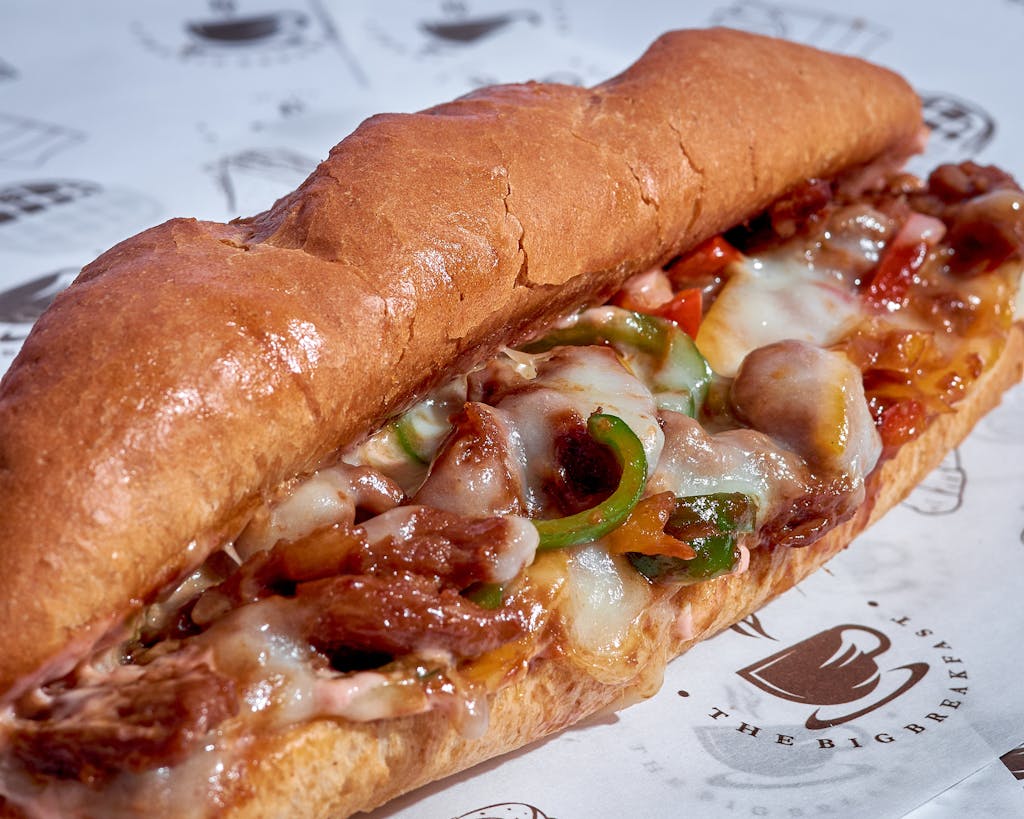
A Philly cheesesteak is from Philadelphia, but the cheese commonly served with it isn’t. The iconic pairing with Cheez Whiz actually came decades after the sandwich’s creation, and not from any classic cheesemonger tradition in the city. Today’s cheesesteaks often mix provolone and Cheez Whiz, but the cheese choice owes more to convenience and experimentation than local heritage.
French Fries Not Actually French
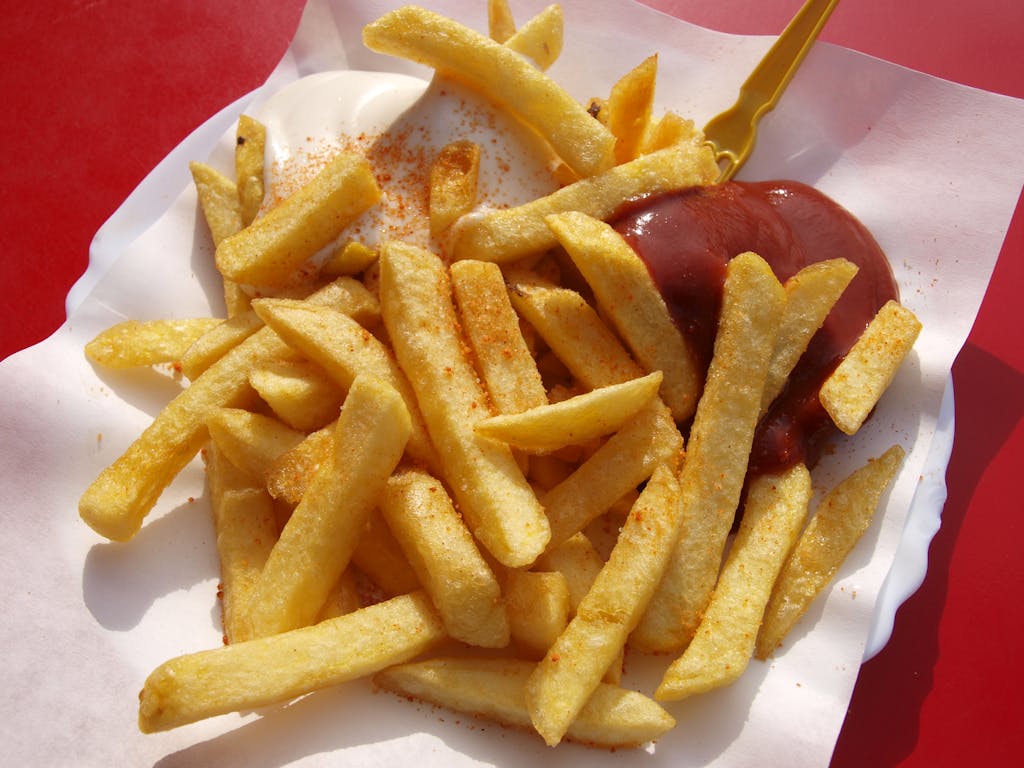
You call them “French fries,” but the French weren’t the first to fry potatoes into strip form. Belgium claims the invention, with locals asserting that villagers began frying sliced potatoes in the late 17th century as a substitute for fish during cold seasons. The name “French” likely stuck because American soldiers stationed in French‑speaking Belgium encountered the dish there during World War I and brought it back home with the misnomer intact.
Swedish Meatballs: A Swedish Snack Revised by IKEA
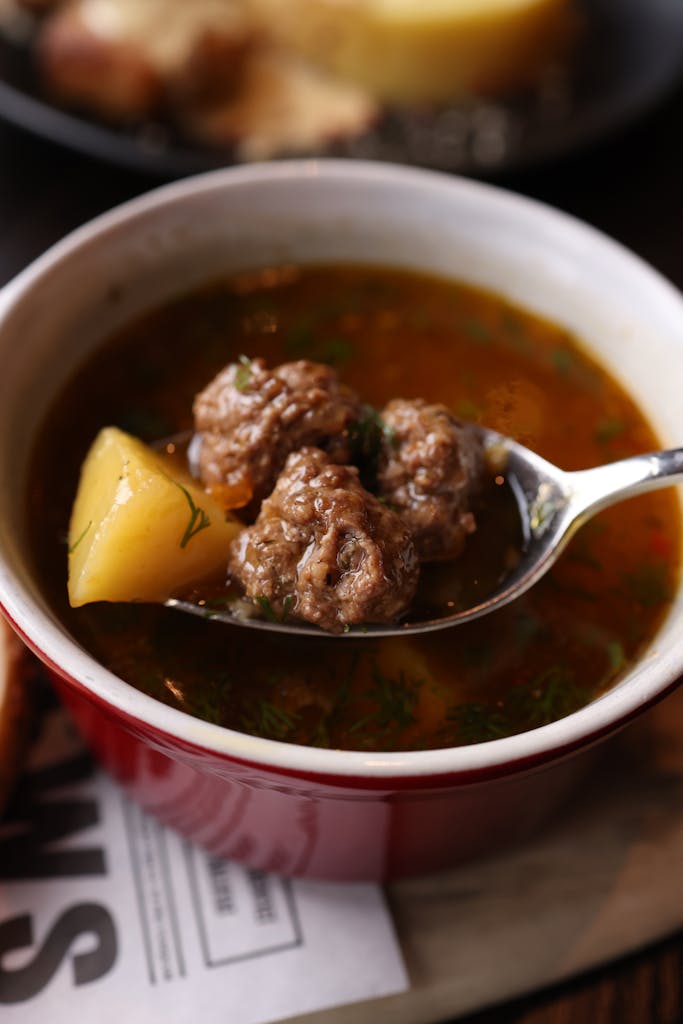
Meatballs are a staple in many cultures, but the version most people associate with Sweden looks a lot like the recipe popularized by IKEA, the Swedish furniture giant. IKEA’s recipe is softer, creamier, and closely tied to the restaurant culture that emerged around its stores, a modern invention rather than a centuries‑old Swedish tradition. Genuine Swedish meatballs (köttbullar) often vary by region, and the IKEA style is more globalized than truly traditional.
Chicken Tikka Masala: Britain’s Curry Claim
Often touted as a quintessential Indian dish, chicken tikka masala was likely invented in Britain by South Asian cooks adapting to British tastes. Thick, creamy sauce and tender chunks of chicken fit local preferences more than regional spice blends. Some culinary historians even point to Glasgow as an early birthplace for the popular version. It’s delicious, it’s beloved, and it’s not a traditional dish from any single region of India.
Boston Cream Pie: Technically a Cake
Despite the name, Boston cream “pie” is actually a cake with layers of sponge filled with custard and topped with chocolate glaze. The misnomer dates back to a time when cake and pie pans were used interchangeably, and the terminology wasn’t standardized. Whatever you call it, this dessert is a staple of Massachusetts dessert culture, but it’s not a pie in the technical sense.
Hamburgers Not Actually from Hamburg Alone
It’s easy to assume hamburgers came from Hamburg, Germany, but the food we call a “hamburger” was developed in the United States. The name likely comes from “Hamburg steak,” a type of minced beef dish popular among German immigrants. American cooks turned it into a sandwich between two pieces of bread, and the rest is culinary history. Hamburgers are quintessentially American, not a direct import from any German city.
London Broil More Method Than Origin
“London broil” suggests British origins, but it’s really a North American cooking term, a preparation style more than a dish tied to any London neighborhood. Historically, it referred to broiling marinated beef and serving it thin‑sliced, and American home cooks and diners widely adopted the name in the 20th century. No London restaurant is known to have invented this technique as a signature dish.
Buffalo Wings Born in Buffalo, But Not in a Kitchen
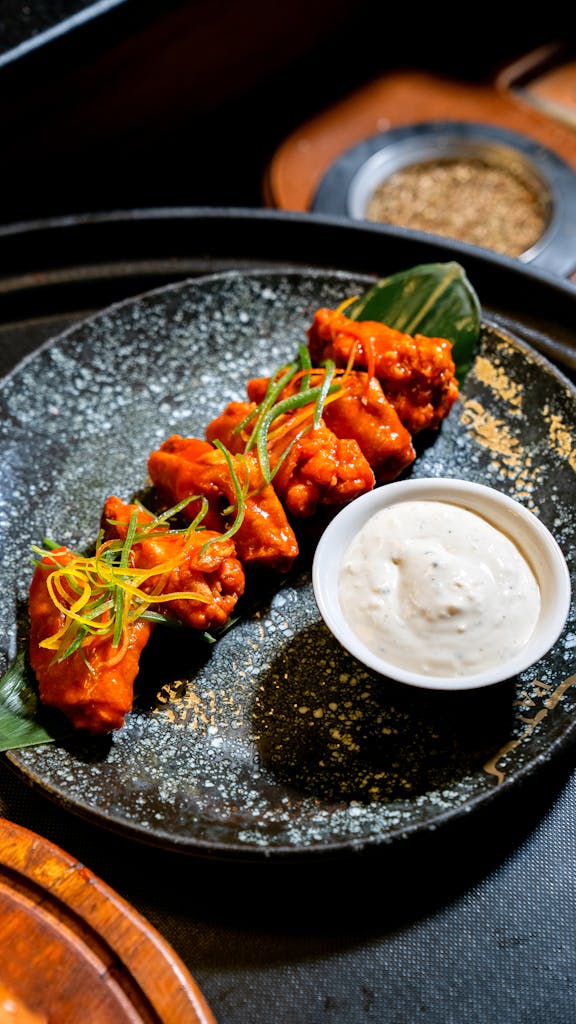
Buffalo wings are from Buffalo, New York, in spirit but not from any conventional restaurant kitchen. They were famously invented at the Anchor Bar in 1964 when the owner’s son asked for a late‑night snack. The creation was spontaneous, not part of any longstanding Buffalo tradition, and spread because of experimentation rather than heritage. It’s tasty history, but it’s not ancient folklore.
Spanish Rice Not Truly Spanish
What many people call “Spanish rice” in American Tex‑Mex cuisine has little to do with authentic Spanish rice dishes from Spain, which typically involve different ingredients and techniques. The American version, cooked with tomato sauce and often served with beans and grilled meats, evolved in Mexico and the American Southwest, where Spanish colonial influence mixed with local traditions. The name stuck through cultural exchange, not culinary origin.
French Toast More Ancient Than France

French toast feels elegant on a brunch menu, but its roots stretch back centuries across Europe and the Middle East, long before anyone called the region “France.” Ancient Roman recipes describe soaking bread in milk and egg, then frying it, a recipe that predates the dish’s French association by centuries. The name may reflect linguistic historical ties, but the technique isn’t uniquely French at all.
Final Thoughts
Food names carry cultural assumptions, and those assumptions can be wildly misleading. Some dishes carry place names because of clever marketing, linguistic happenstance, or the influence of immigrant communities adapting to new tastes. Others stuck simply because the name sounded good on a menu or a signboard.
This list is a reminder that food history is rarely tidy. A name can feel like geography until you learn the real story, and suddenly every bite tastes richer for it.