Nobody fails a reading test and then confidently signs a loan agreement they do not understand. But that is exactly what happens every single day, all over the world, to people with perfectly good eyes and fully functioning brains.
The truth nobody tells you is that traditional literacy, the kind your primary school teacher praised you for, is just one layer of a very deep cake. And most of us are walking around missing about nine other layers, wondering why life keeps feeling harder than it should.
Here are 10 types of illiteracy quietly making a mess of adult life, including possibly yours.
Financial Illiteracy

This is the one that hits hardest and earliest. You get your first real paycheck, and your brain immediately starts planning a shopping trip instead of calculating rent, electricity, and the debt you have been ignoring since January.
Studies consistently show that nearly half of adults cannot correctly answer basic questions about interest rates or savings. Half. These are not trick questions. This is “if you borrow money, you pay back more than you borrowed” territory.
The scary part is not the spending. It is the confidence. Financially illiterate people rarely know they are financially illiterate. They just wonder why they are always broke by the 20th of the month.
Critical Illiteracy
This one is sneakier. You can be a voracious reader, someone who devours three articles before breakfast, and still be critically illiterate if you cannot separate a fact from someone’s very passionate opinion.
Critical illiteracy occurs when a person reads a headline, skips the article, and immediately forwards it to the family group chat as breaking news. It is the inability to ask, “wait, who is saying this and why?” It thrives on urgency and outrage, two things the internet has in unlimited supply.
Emotional Illiteracy
You know that person who responds to “I am going through something difficult” with “at least you have your health”? That is emotional illiteracy in action, and it is far more common than anyone wants to admit.
Emotional literacy is the ability to name, understand, and respond to feelings, both your own and other people’s. Without it, relationships become minefields. Work becomes unnecessarily dramatic. And you become the person everyone finds exhausting to talk to, without ever knowing why.
The good news is this one is genuinely teachable. The bad news is that most people never try because they do not know they need to.
Technological Illiteracy
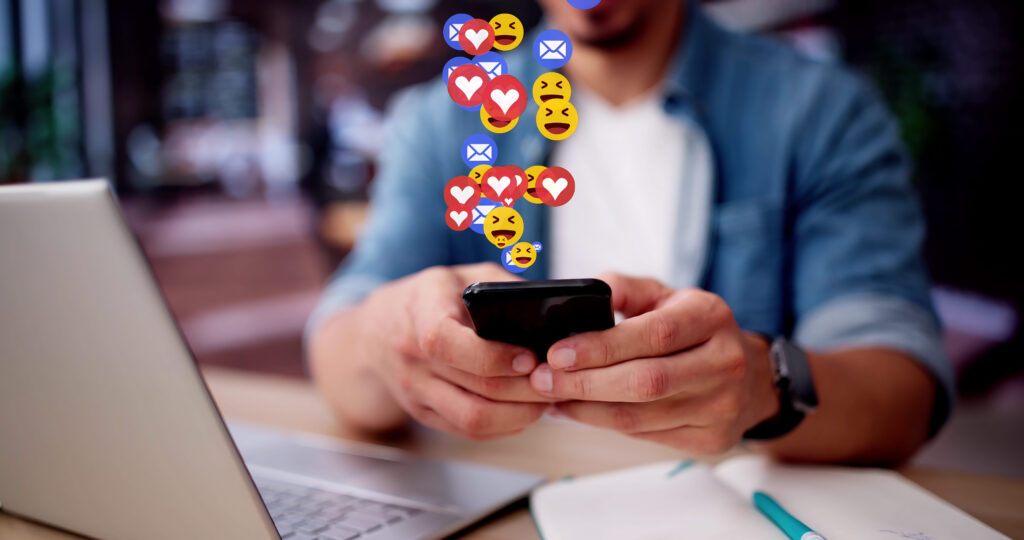
Before you laugh at your uncle who calls every computer problem “a virus,” consider this: technological illiteracy is not just about older generations anymore.
Younger people who grew up on smartphones are often fluent in Instagram but completely lost when it comes to understanding data privacy, digital security, or basic software troubleshooting. Knowing how to post a reel does not mean you understand how the internet actually works or who is collecting your information while you scroll.
In 2026, technology is not optional. Struggling to navigate it is not quirky. It is a genuine barrier to employment, communication, and safety.
Scientific Illiteracy
The majority of American adults show measurable gaps in basic scientific understanding. That is a staggering number when you consider that scientific decisions now affect everything from public health to climate policy to what you eat for breakfast.
Scientific illiteracy is not just “I skipped biology class.” It is not understanding the difference between correlation and causation. It is thought that, because something happened after something else, the latter must have caused the former.
It is also what makes miracle cures go viral and what keeps dangerous health trends alive well past their expiration date.
Health and Mental Health Illiteracy
Speaking of which, health illiteracy is its own special category of chaos. It is the person who Googles symptoms and concludes they have a rare tropical disease. It is also, more seriously, the person who dismisses depression as laziness or avoids therapy because “people in my family just push through.”
Mental health illiteracy is particularly damaging because the stigma it creates does not just affect the illiterate person. It creates entire environments, families, workplaces, and communities, where asking for help feels impossible.
About 10% of adults globally lack basic health literacy, but the mental health gap is almost certainly wider because the information is newer and the stigma is older.
Media Illiteracy
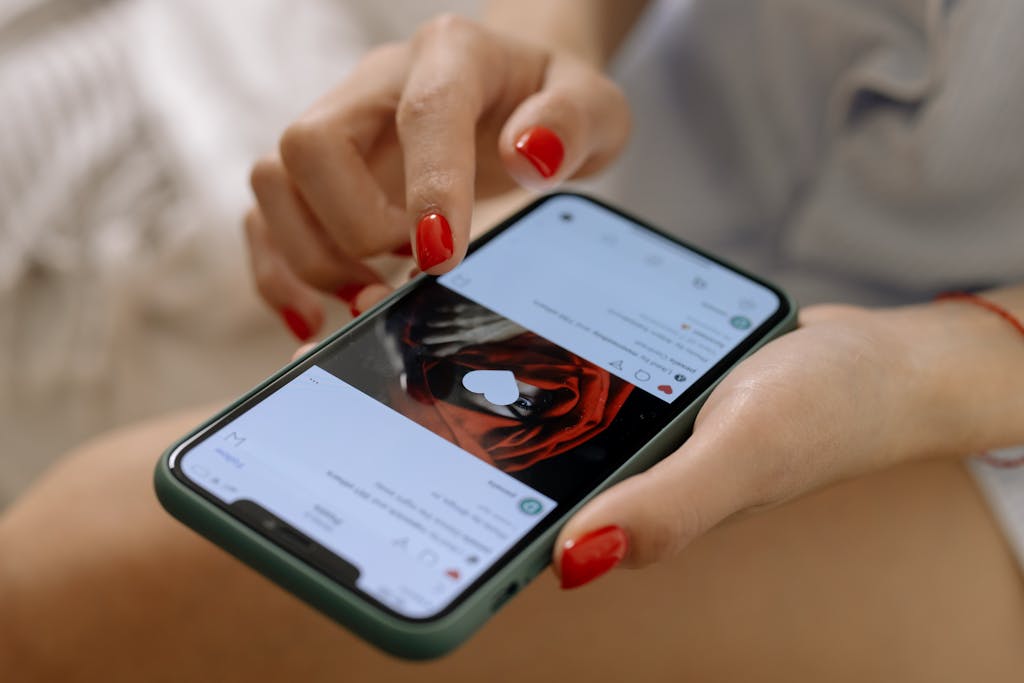
Every single day, people share news stories without reading them, believe documentaries without questioning them, and absorb advertising without recognizing it as advertising. That is media illiteracy, and it is having a field day right now.
The inability to critically assess what the media is doing, who funds it, what perspective it centers, and what it deliberately leaves out is one of the most urgent literacy gaps of this generation.
It is also one of the most exploited. If you cannot tell the difference between journalism and propaganda, someone else will gladly tell you what to think.
Numerical and Statistical Illiteracy
Numbers feel objective. That is exactly why they are so dangerous in the wrong hands. “Nine out of ten dentists recommend” sounds convincing until you ask how many dentists were surveyed, who paid for the study, and what exactly they were recommending.
Statistical illiteracy is why people make terrible financial bets, misread medical risks, and get fooled by percentage-based marketing tricks every single day.
A discount is not always a deal. A statistic is not always proof. And a graph can be technically accurate while being deeply misleading, depending entirely on how it is drawn.
Cultural Illiteracy
Cultural literacy is understanding the shared references, norms, and histories that give communication its texture. Without it, you miss the subtext in conversations, misread rooms, and occasionally say something wildly offensive without knowing why everyone went quiet.
This is not about memorizing trivia. It is about understanding that every community, country, and context comes with unspoken rules, and that not knowing those rules does not make you neutral. It just leaves you confused, and sometimes makes you accidentally rude.
Functional Illiteracy

This is the one that rarely gets discussed because it is the most hidden. Functional illiteracy describes people who can technically read words but cannot extract meaning from them well enough to navigate daily life.
Reading a lease, understanding a prescription label, following written instructions for a government form: these require a level of comprehension that goes well beyond sounding out words. And for a significant portion of the adult population, that comprehension is shaky at best.
Functional illiteracy disproportionately affects people who were failed by under-resourced schools or who never had access to consistent education. It is a systemic problem wearing a personal face.
Conclusion
Here is the part that should probably make you a little uncomfortable: most of us are illiterate in at least two or three of these areas, and the ones we are most blind to are usually the ones doing the most damage.
The point is not to feel bad about it. The point is to stop assuming that because you can read, you understand. Because understanding is harder, slower, and more humbling than reading. And in a world that is producing more information every second than any human brain can process, the people who ask “wait, do I actually understand this?” are the ones who end up making better choices, building better relationships, and seeing the world a little more clearly than everyone else. Which is, genuinely, worth the effort.