Owning an exotic pet seems like an exciting prospect, a chance to tame the wild and bring a bit of the untamed into your home. However, sometimes the line between fascination and danger blurs, and the thrill of keeping wild creatures comes with a dark side. Below, we explore tragic tales in which these exotic pets turned deadly adversaries, proving that sometimes wild animals just aren’t meant to be tamed.
Cassowary

Considered one of the world’s most dangerous birds, the cassowary stands tall and menacing, with sharp claws capable of inflicting fatal damage. In 2019, a 75-year-old man fell victim to his pet cassowary in Florida, where the bird attacked after he lost his balance.
These birds can run up to 50 kilometers per hour and leap over 2 meters, making them formidable adversaries. This tragic incident is not isolated—cassowaries have a history of turning deadly when provoked, often leading to severe injuries or death.
In 2012, a similar incident occurred when a cassowary chased a man up a cliff, eventually sending him rolling into a pool below. While the man survived, it highlighted the bird’s volatile nature. Despite their danger, some still seek these majestic creatures as pets, oblivious to the risks involved.
A Red Deer and Elk Hybrid
In 2019, Paul McDonald, an Australian farmer, was killed by his hybrid red deer-elk pet. This animal, typically known for its docile behavior, became unexpectedly aggressive during the mating season. The hormonal changes caused by the rutting period triggered violent behavior, leading to a fatal attack on Paul while he was feeding it.
His wife and son tried to intervene, but the animal’s aggression proved too much. Paul’s tragic death sheds light on the unpredictable nature of hybrid animals, especially during mating season, when their behavior can become erratic and dangerous. It also raises questions about the risks involved in keeping such animals in a domestic setting.
Humphrey the Hippo
Marius Els, a South African farmer, was tragically killed by his pet hippopotamus, Humphrey, in 2011. Despite appearing in media showcasing their seemingly friendly bond, Humphrey had a history of violent behavior. Known as one of the deadliest animals in Africa, hippos are responsible for more human deaths annually than many of the continent’s more infamous predators.
Els, who had rescued Humphrey as a calf, paid the ultimate price for his unusual friendship with the animal. The incident underscores that even animals that seem domesticated can exhibit aggressive tendencies, especially as they grow older and their natural instincts take over.
Southern Pig-Tailed Macaque Monkey
Monkeys, often associated with playful antics, can be deadly in certain circumstances. In 2019, a pet monkey in Malaysia attacked and killed its owner, a 72-year-old man, after a routine task. The monkey had been trained to climb trees to collect coconuts, a practice common in the region, but during the attack, it bit through a major artery in the man’s neck.
This tragic incident sheds light on the dangers of keeping primates as pets. Despite their domestication, monkeys can become unpredictable, and the Southern Pig-Tailed Macaque, known for its strength, is no exception. In this case, a seemingly harmless animal turned violent in a split second, with deadly consequences.
Teddy the Black Bear
In Pennsylvania in 2009, a black bear named Teddy attacked and killed one of its owners, Kelly Ann Walz. Despite having been raised since cubhood, the bear’s aggressive tendencies emerged as it reached maturity. Black bears, even when raised in captivity, are still wild animals at their core, prone to sudden violent outbursts.
The Walzes had previously kept a variety of exotic animals, including tigers and lions, but it was Teddy the bear who ultimately turned on them. This case highlights the fact that even animals raised with care can pose a deadly risk once they reach adulthood, making it clear that no wild animal should be fully trusted, no matter how long it has been in captivity.
The Fatal Camel
Pam Weaver, an Australian woman, was killed by her pet camel in 2007. Though the camel had been a beloved gift from her husband, it displayed erratic and dangerous behavior as it matured. The camel, just 10 months old at the time, knocked Pam to the ground and straddled her body, ultimately killing her.
Experts believe the camel’s behavior was likely sexual in nature, as younger animals sometimes display dominance over their caretakers. This tragic death serves as a cautionary tale about the unpredictability of even the most docile-looking creatures and the risks associated with keeping such animals as pets.
The Crocodile That Took a Life
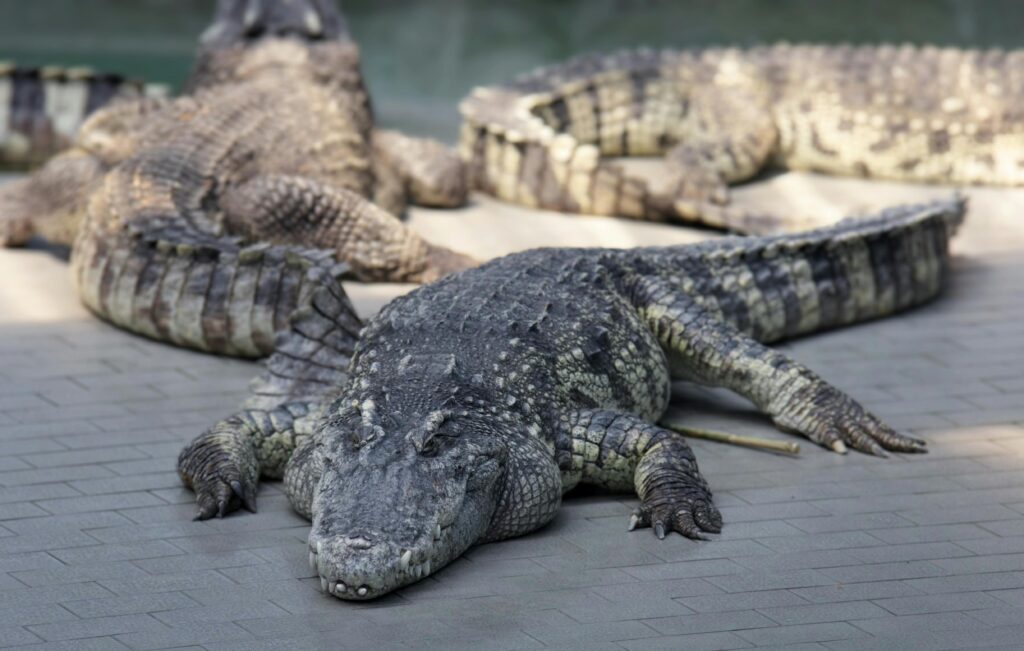
In 2019, an Indonesian woman named Deasy Tuwo was killed by a pet crocodile named Merry. Crocodiles are notoriously dangerous, and keeping one as a pet is a risky endeavor, especially when they’re housed in inadequate enclosures. Tuwo’s death occurred after she accidentally fell into the enclosure, where the crocodile attacked her.
Crocodiles are capable of powerful leaps and ambush tactics, and even though Merry had been fed like a pet, it still maintained its predatory instincts. Tuwo’s death emphasizes the dangers of attempting to domesticate wild animals, especially those known for their deadly hunting strategies.
The Elephant That Turned on Its Owner

In 2003, an elephant named “Ramu” killed its owner, Ram Lakhan Verma, in India. The elephant had been used in political campaigns, but one day, its unpredictable nature resurfaced. After being struck with a sharp rod, the elephant turned violent, crushing Verma underfoot.
Elephants, despite being social creatures, are highly sensitive and unpredictable, especially when their behavior is provoked. This tragic incident underscores the dangers of keeping such powerful animals, especially when they are stressed or mishandled.
Wildebeest
Wildebeests, large African antelopes, are often seen as docile creatures, but they can turn deadly when provoked. In one case, a man was tragically killed by his pet wildebeest, which had grown large and aggressive. Despite their intimidating horns, wildebeests are often kept as exotic pets, but their aggressive nature can emerge without warning.
This incident highlights the unpredictable nature of wild animals, no matter how domesticated they may appear. The wildebeest’s sudden aggression proves that these animals should not be underestimated, especially when their natural instincts are triggered.
The Deadly Tiger
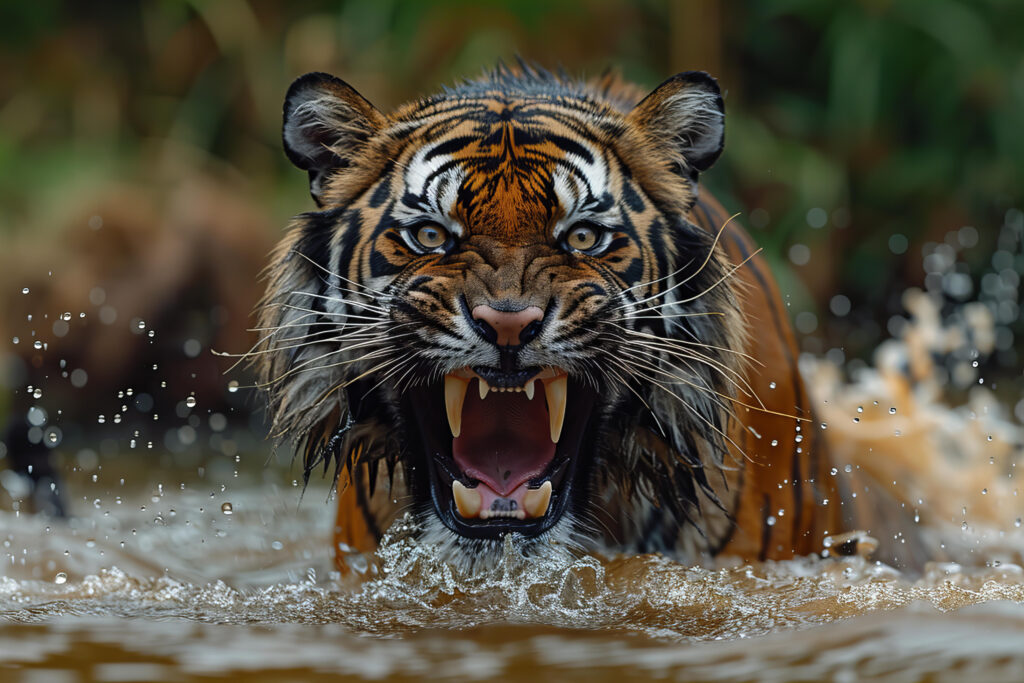
Tigers are the epitome of wild power, and keeping them as pets is an incredibly risky endeavor. While many tiger owners may feel they have a special bond with their animal, these apex predators remain dangerous. Tragically, one owner in Ohio was mauled to death by his pet tiger in 2011.
Despite their beauty and grace, tigers are wild animals with instincts that cannot be tamed. Their sheer strength and predatory nature make them unsuitable for captivity, and this incident serves as a grim reminder of the consequences of keeping such dangerous animals in residential settings.