Growing your own food is rewarding, but it’s not without its challenges. While the idea of cultivating unique and flavorful plants is enticing, some edible plants are notoriously difficult to grow. They require specific climates, careful attention, and sometimes even years of patience before they bear fruit. If you’re a beginner or looking for an easy gardening experience, you might want to reconsider these ten high-maintenance plants that demand much more than the average gardener has time for.
Wasabi
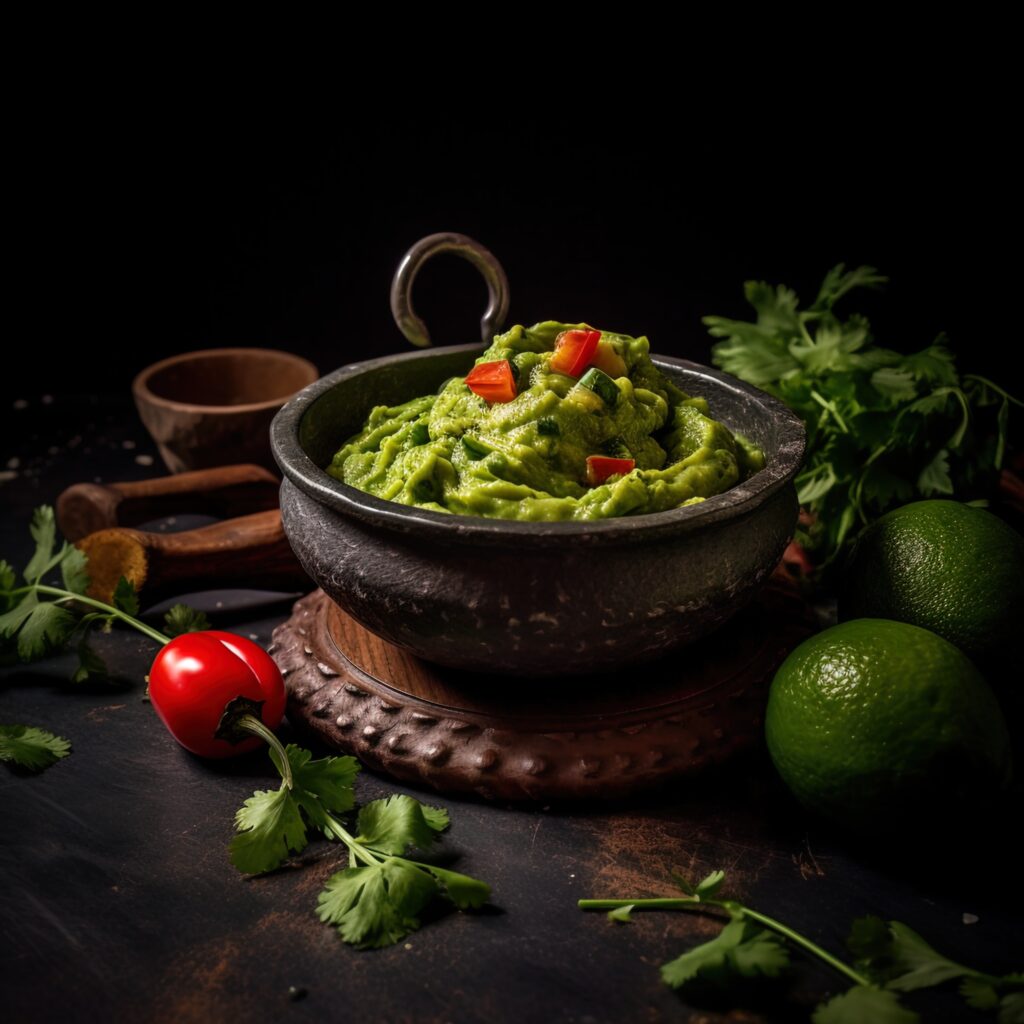
True wasabi is a rare and coveted ingredient, but growing it is far from simple. Native to Japan, wasabi requires very specific conditions: cool, shaded environments with running water and soil rich in nutrients and free of impurities. It also needs constant humidity and cannot tolerate direct sunlight. While it’s possible to grow wasabi in specialized environments, such as greenhouses, it’s a high-maintenance plant that requires significant time and resources.
Vanilla Orchids
Vanilla beans are a sought-after crop, but the plants themselves are anything but easy to grow. Native to tropical regions, vanilla orchids require high humidity, indirect sunlight, and a warm environment to flourish. On top of that, these delicate vines require hand-pollination to produce pods, which can be an exhausting, time-consuming process. If you’re not prepared to dedicate serious time and energy to your vanilla plants, you’ll likely be disappointed with the results.
Artichokes
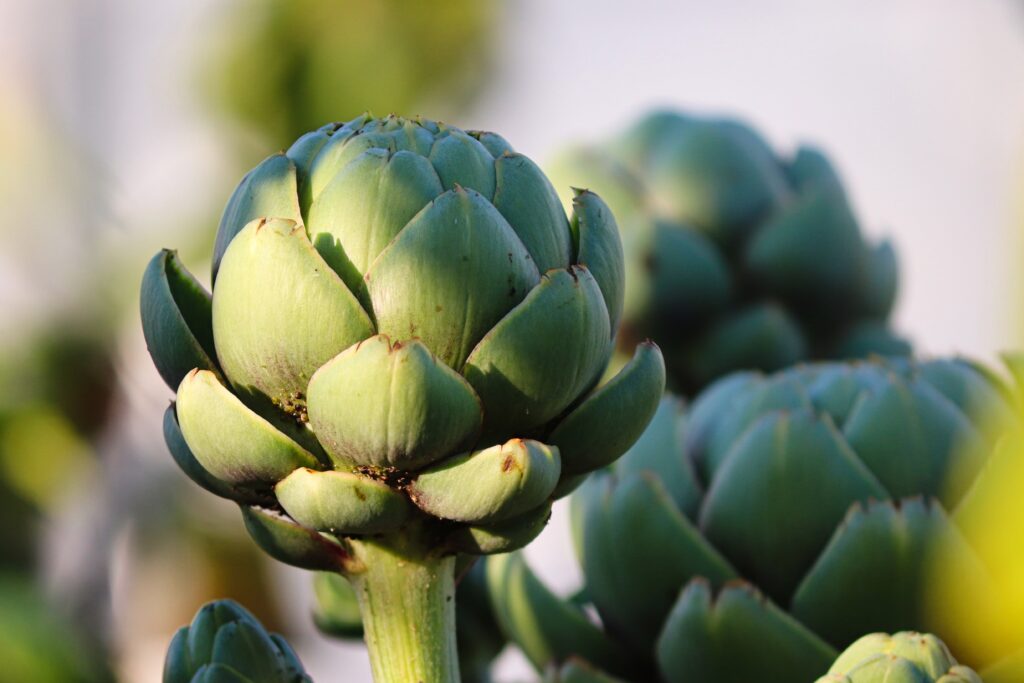
Artichokes might look beautiful in a garden, but they come with their own set of difficulties. These thistle-like plants thrive in well-drained, nutrient-rich soil with plenty of sunlight. However, they are vulnerable to pests and diseases and require constant attention to remain in peak condition. Plus, they require a long growing season and are extremely sensitive to temperature fluctuations, making them a poor choice for regions with unpredictable climates.
Saffron
Saffron is the world’s most expensive spice, and it’s not just because of its rarity. Growing saffron involves meticulous care and labor-intensive harvesting. The saffron crocus flowers bloom for only a short period each year, and each flower only produces three threads of saffron. Harvesting these threads by hand is delicate work, and you’ll need hundreds of flowers to yield even a small amount of spice. This makes saffron a challenging plant for most home gardeners to tackle.
Avocados
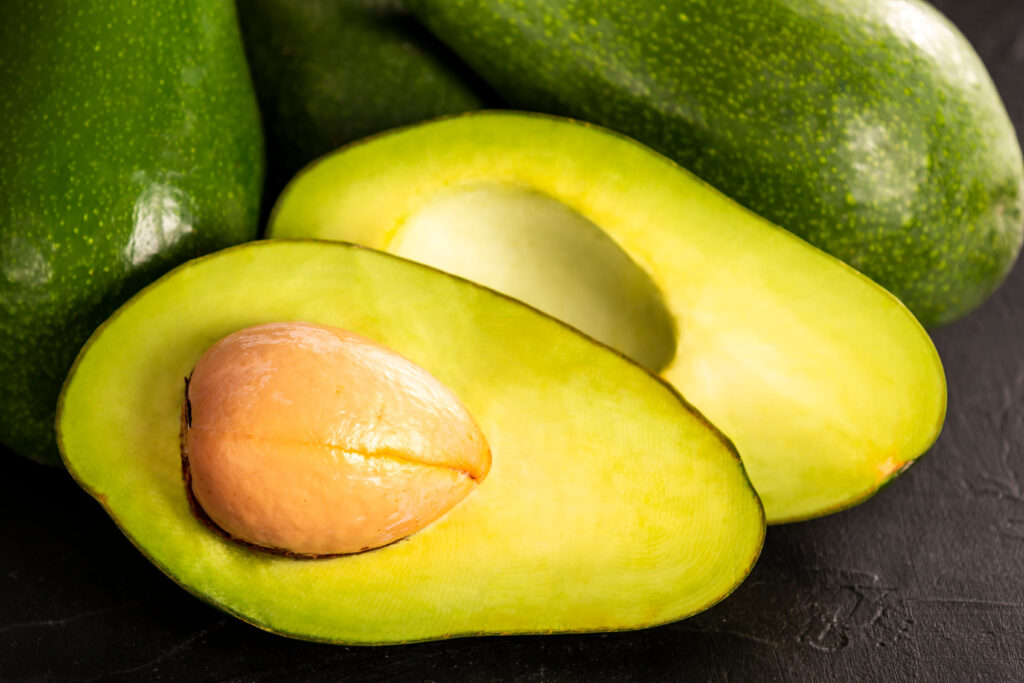
The allure of homegrown avocados is undeniable, but these trees are challenging to cultivate. They need a warm, frost-free environment, plenty of space, and well-drained soil to thrive. Even under optimal conditions, avocado trees are slow-growing and may take several years to begin bearing fruit. They also require regular pruning to maintain their shape and prevent disease, making them far more work than many gardeners expect.
Hops
If you’ve ever brewed your own beer, you might have considered growing your own hops. These climbing plants are essential for brewing, but they require specific care. Hops need a lot of vertical space to grow, as they can reach heights of up to 20 feet. They also require strong support, as their vines can become quite heavy. Additionally, hops plants need plenty of sun, consistent watering, and are prone to diseases like powdery mildew, making them far from beginner-friendly plants.
Figs
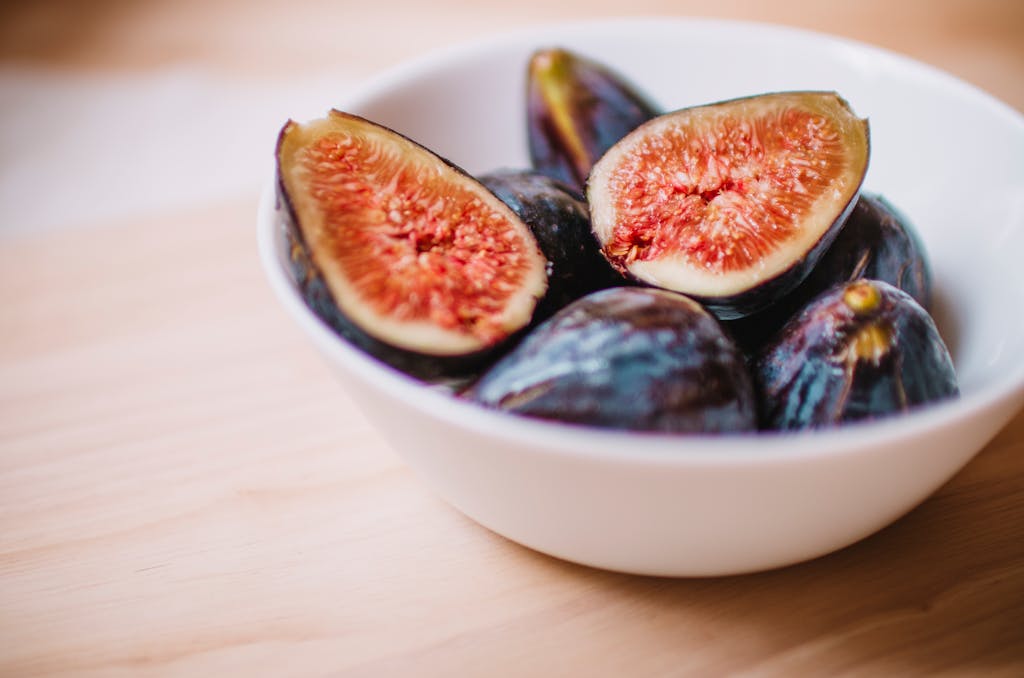
Figs are delicious, but they’re not the easiest fruit to grow. These trees require long, hot summers and ample sunlight to produce fruit. However, fig trees are extremely sensitive to temperature changes and can struggle in colder climates. They also need well-drained soil and protection from pests, which makes them a challenge for gardeners with little experience. Additionally, figs need consistent moisture, which can be hard to provide in certain regions.
Artichoke Cousins and Other Cool-Weather Perennials
Other members of the artichoke family, such as cardoons, are also difficult to grow. These perennials often require a long growing season, as well as specific soil and climate conditions that can be hard to replicate in a typical home garden. They are also sensitive to heat, and their growth can be stunted if the weather turns too warm too quickly. If you’re hoping to grow these plants in warmer climates, you may be disappointed by their lack of success.
Subtropical Fruit Trees

Plants like lychees, longans, and certain citrus varieties can be tantalizing to grow, but they’re not suitable for most home gardens unless you live in a subtropical or tropical climate. These trees require specific temperature ranges and high humidity to thrive. In many regions, they would need to be grown indoors or in a greenhouse to succeed. Even then, it can take several years before these trees produce fruit, making them an impractical choice for most home gardeners looking for immediate results.
High-Specificity Crops
Certain crops, such as oca and other specialty tubers, require very specific soil conditions, temperatures, and water levels. These plants thrive only in precise environments, making them a risky investment for gardeners without experience. While they might be unique and flavorful, the time, care, and attention to detail needed to grow them properly can make them a frustrating addition to your garden. Even small mistakes can lead to disappointing yields or crop failure.
Conclusion
While the idea of growing exotic, flavorful plants in your own backyard is appealing, these ten edible plants come with significant challenges. From specific climate requirements to labor-intensive harvesting methods, they demand much more time, effort, and patience than most gardeners are prepared to invest. If you’re a beginner or just want a low-maintenance garden, it’s probably best to stick with plants that are easier to care for. After all, gardening should be a joy, not a constant battle against nature’s obstacles.