Some animals do not return with a roar. They return as a track in volcanic dust, a strange fish hauled from deep water, a nesting bird on a rocky island, or a glossy black insect clinging to one lonely shrub on a sea stack. These are the animals that came back from extinction, or at least from the scientific silence that made extinction seem certain.
The phrase “came back from extinction” sounds almost magical, but the real stories are sharper and more fascinating. In some cases, the animal was never truly gone. It had survived in a cave, on an island, under desert shrubs, or in a habitat people rarely searched. In other cases, humans pushed a species to the final edge, then pulled it back through captive breeding, habitat protection, predator control, genetic science, and decades of stubborn conservation work.
Fernandina Island Giant Tortoise
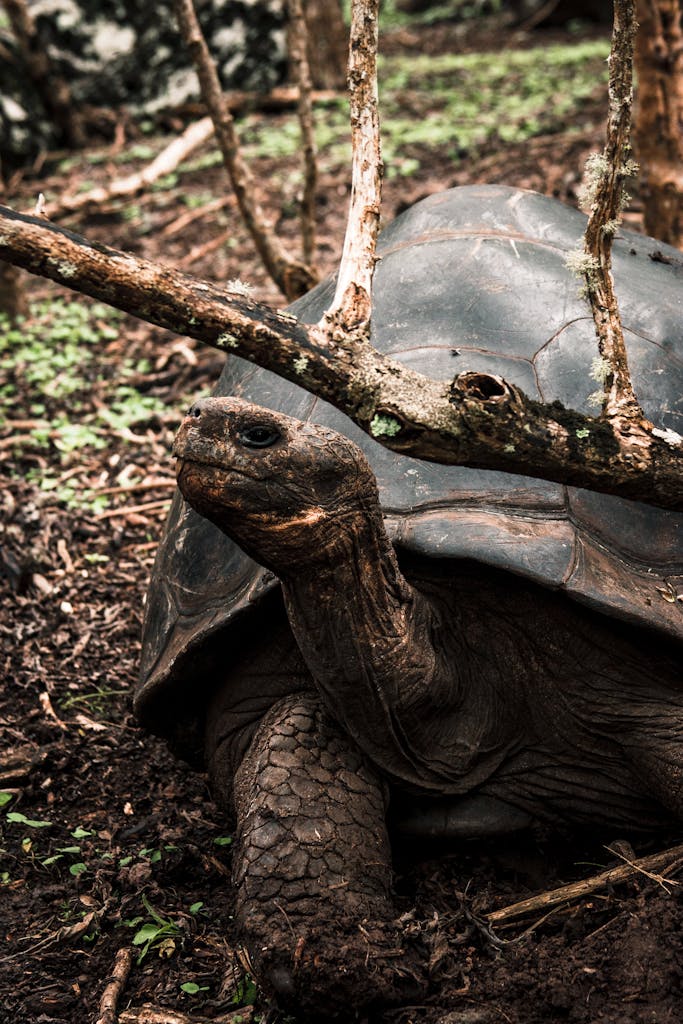
The Fernandina Island giant tortoise seemed like a species written into history and then erased. Scientists knew it from a specimen collected in 1906, but no confirmed living individual appeared for more than a century. The volcanic island was harsh, remote, and difficult to survey, so the species slipped into the category of creatures many assumed had disappeared.
Then, in 2019, researchers found a female tortoise on Fernandina Island. She was later nicknamed Fernanda. Genetic work confirmed that she belonged to the long-lost Chelonoidis phantasticus lineage, making her the first confirmed member of that species identified in more than 100 years. Princeton reported in 2022 that genetic confirmation showed the tortoise was a living member of the species long believed extinct.
The discovery did more than revive a name on a list. It reopened a conservation question: could more Fernandina tortoises still be alive? Field signs, including tracks and scat, have suggested the possibility of other individuals, but finding them on a volcanic island is a slow and demanding task.
Fernanda’s story is powerful because it shows how a species can survive as a biological whisper. One living animal can carry an entire evolutionary history on its shell. If others exist, the species may still have a path forward. If she is alone, her rediscovery still changes what science knows about survival, isolation, and the limits of extinction certainty.
Lord Howe Island Stick Insect
The Lord Howe Island stick insect, often called the tree lobster, once lived on Lord Howe Island in the Tasman Sea. It was large, dark, flightless, and harmless. Then rats arrived after a shipwreck in 1918 and tore through the island’s wildlife. The insect vanished from its home and was considered extinct for decades.
Its second life began in one of the most dramatic places imaginable: Ball’s Pyramid, a jagged volcanic sea stack rising from the ocean near Lord Howe Island. In 2001, researchers found a tiny surviving population living around a single shrub high above the sea. Genetic analysis later confirmed that the Ball’s Pyramid insects belonged to the same species as the museum specimens from Lord Howe Island, despite visible differences in appearance.
This comeback was not comfortable, easy, or guaranteed. A few insects were brought into captive breeding programs, including at Melbourne Zoo, where conservationists worked to build a secure population. The goal has been bigger than saving a strange insect in a glass enclosure. The long-term dream is to return the species to Lord Howe Island after invasive rats are controlled.
Bermuda Petrel
The Bermuda petrel, also called the Cahow, disappeared so thoroughly that many believed it had been extinct since the early colonial era. Early settlers hunted the birds heavily, and introduced animals further devastated nesting colonies. For roughly 330 years, the Cahow existed more as a local memory than a confirmed living bird.
Then, in 1951, a small group of nesting birds was found on rocky islets in Castle Harbour, Bermuda. That rediscovery became one of the great seabird conservation stories. It also became a lesson in slow recovery. Seabirds often mature late, nest in limited places, and face threats from storms, predators, light pollution, and habitat loss.
The comeback has taken decades. BirdsCaribbean reported that the Cahow increased from 18 nesting pairs and 8 fledglings in 1960 to 165 nesting pairs and 76 fledglings in 2024. (BirdsCaribbean) The Nonsuch Island project also reported 78 successfully fledged chicks in the 2024–25 season, the second-highest total on record.
California Condor
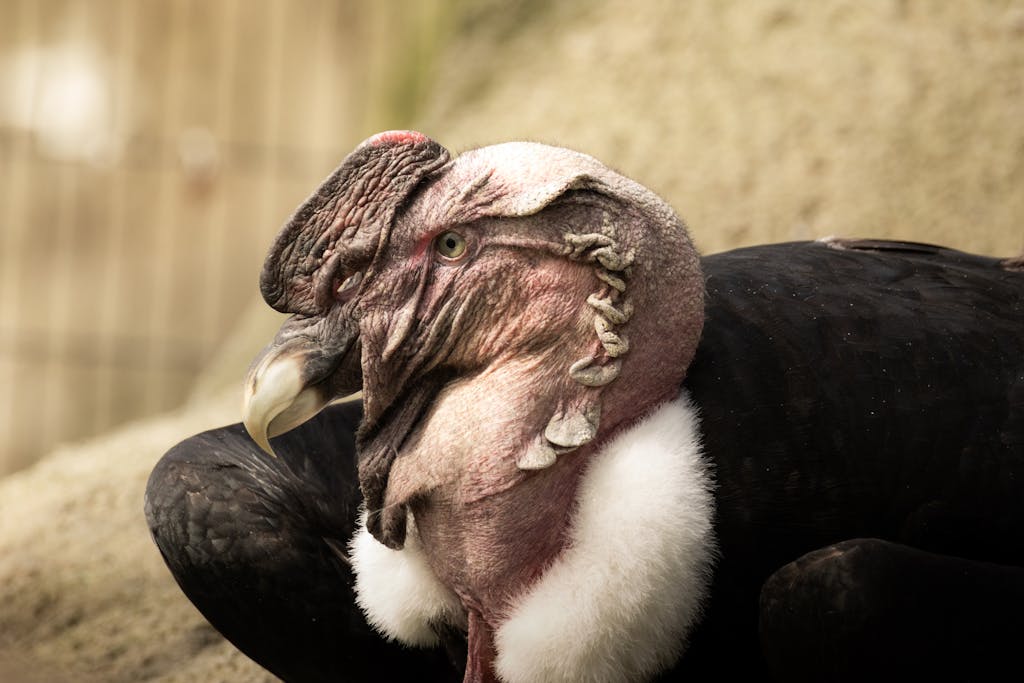
The California condor did not hide from science. It nearly vanished in full view. Lead poisoning, habitat loss, shooting, and other pressures pushed North America’s largest flying land bird toward total extinction. By 1987, every remaining wild condor had been captured for an emergency breeding program.
That decision was controversial, but it gave the species a chance. The surviving birds formed the base of a captive breeding effort that later allowed condors to be released again in California, Arizona, Utah, Baja California, and the Pacific Northwest.
The U.S. Fish and Wildlife Service reported a 2025 world population of 607 California condors, including 392 in the wild and 215 in captivity fws.gov That does not make the species safe. Condors still face lead exposure when they feed on carcasses containing ammunition fragments, and avian influenza has added another modern threat.
Black-Footed Ferret
The black-footed ferret was declared extinct in 1979, then rediscovered in 1981 when a small colony was found near Meeteetse, Wyoming. The discovery seemed like salvation, but disease and limited numbers nearly ended the species again. By the late 1980s, only a tiny founding group remained for the recovery program.
Every living black-footed ferret in the main recovery population descends from a very small genetic base, which creates a serious problem. A species can increase in number and remain vulnerable if its genetic diversity is too narrow. Low diversity can reduce disease resistance, fertility, and long-term adaptability.
That is why the black-footed ferret has become one of the most important examples of genetic rescue. The first cloned black-footed ferret, Elizabeth Ann, was born from preserved cells of a ferret named Willa, whose genes were not represented in the living population. The U.S. Fish and Wildlife Service later reported that cloned ferrets Antonia and Noreen, along with Antonia’s offspring, were part of new kit births linked to cloning research.
San Quintín Kangaroo Rat
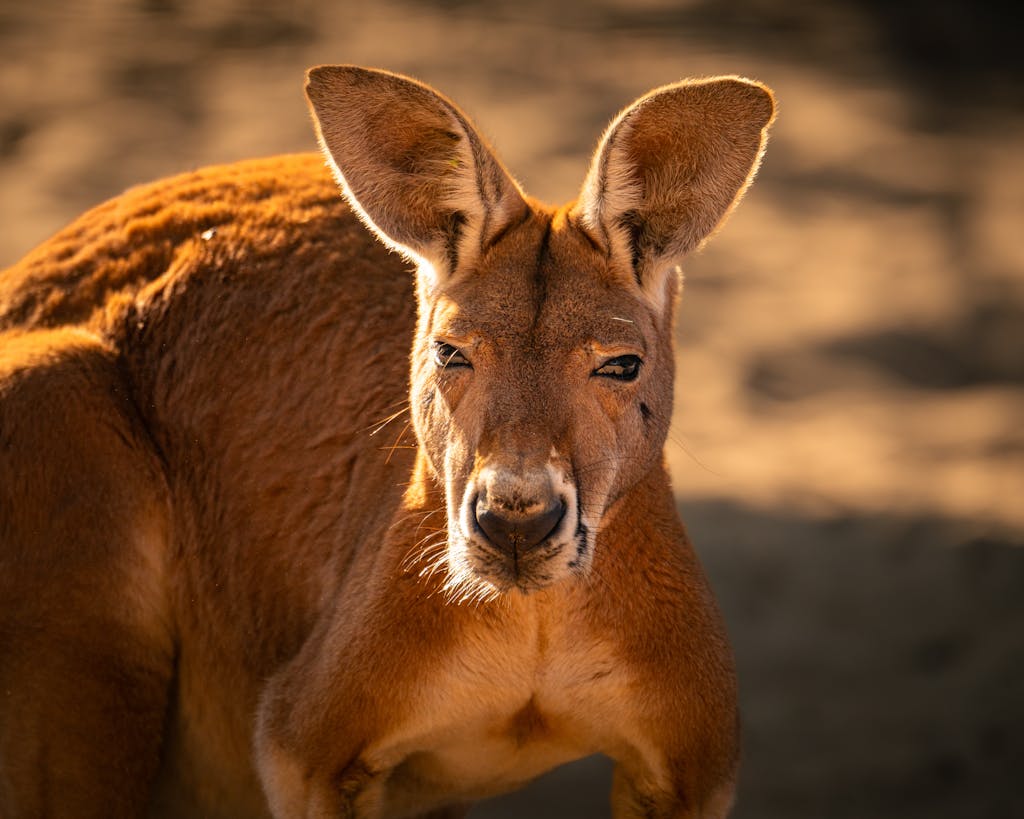
Not every rediscovered animal becomes famous. Some return quietly, caught in a live trap during fieldwork. The San Quintín kangaroo rat is one of those smaller comeback stories. This tiny mammal from Baja California had not been confirmed for decades and was considered possibly extinct.
In 2017, researchers from the San Diego Natural History Museum found living individuals during surveys in the San Quintín region. The museum described the rediscovery as the result of old-fashioned field research and persistence, not futuristic technology. The Nat
The San Quintín kangaroo rat matters because it shows how extinction stories can hide in ordinary-looking landscapes. Grasslands, scrublands, dunes, and agricultural edges may look empty to casual observers, but rare species can persist there in pockets. Rediscovery is only the beginning. Once a species is found, researchers must confirm where it lives, how many remain, what threatens it, and how much habitat can still be protected.
This is the unglamorous side of extinct species found alive. The headline is exciting, but the work after the headline decides whether the animal survives.
Why Rediscovered Animals Often Live in Remote or Overlooked Places
The animals that came back from extinction share a pattern. They survived where people rarely looked, where surveys were difficult, or where the species’ habits made detection unlikely. Deep water protected the coelacanth. Volcanic terrain hid the Fernandina tortoise. A sea stack sheltered the Lord Howe Island stick insect. Remote islets protected the Bermuda petrel. Desert and scrubland fragments hid small mammals.
Rediscovery often depends on three things: habitat, timing, and patience. A nocturnal insect may only appear after dark. A burrowing mammal may only be found with the right traps in the right season. A seabird may only confirm its presence during nesting. A deep-sea fish may never appear unless fishing gear or submersibles reach its range.
That is why extinction declarations require caution. A species can be genuinely gone, but it can also be missed. The harder an animal is to detect, the more careful scientists must be before declaring the final individual dead.
Conclusion
Animals that came back from extinction are not fairy tales. They are warnings with a pulse. The coelacanth tells us the deep ocean still holds surprises. Fernanda the tortoise tells us one animal can carry a century of unanswered questions. The Lord Howe Island stick insect tells us that survival can cling to a single shrub on a cliff. The Cahow, condor, and black-footed ferret tell us recovery is possible when people refuse to quit too early.
These stories should not make extinction seem less serious. They should make conservation feel more urgent. Every rediscovered species gives us a rare second chance, and second chances in nature are never guaranteed.