Food is the fuel that powers our bodies, but have you ever stopped to think about the unexpected side effects some foods can have on your health? While we often focus on the nutritional benefits, certain foods can cause bizarre reactions that are surprisingly common. From stomach issues to strange body odors, the side effects of some everyday foods may leave you wondering if they are worth the risk.
In this article, we’ll explore some of the most bizarre food side effects you need to be aware of, providing the information you need to make better, more informed food choices.
Garlic
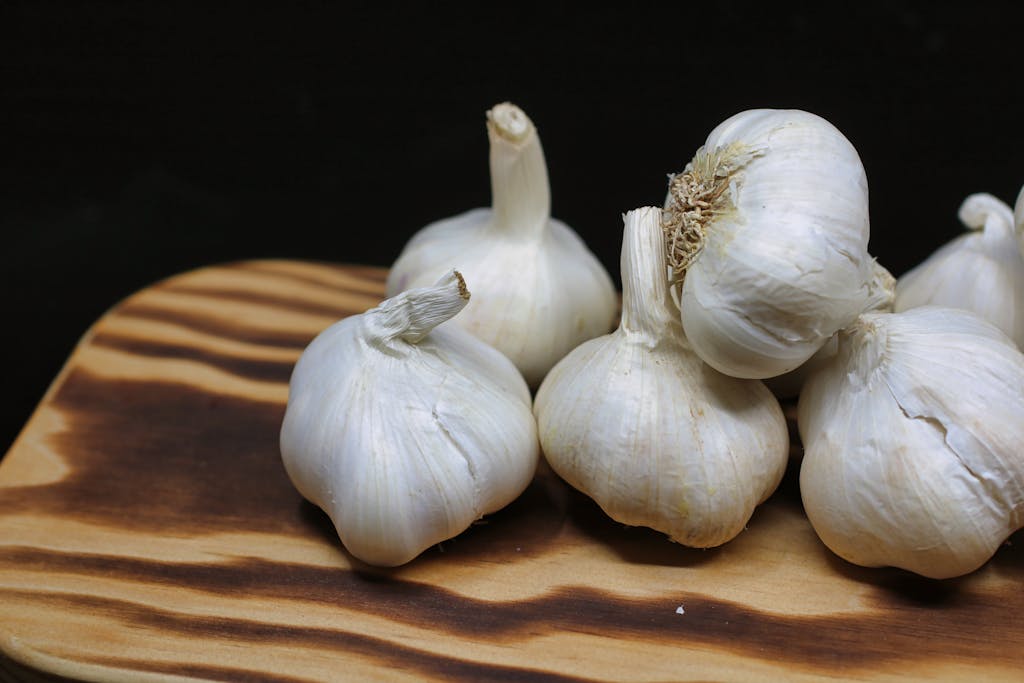
Garlic is a staple in kitchens around the world, prized for its robust flavor and health benefits. However, consuming garlic can lead to an unpleasant side effect: garlic breath. The sulfur compounds that give garlic its distinctive aroma are absorbed into the bloodstream and expelled through the lungs, leading to bad breath that lingers long after the meal is over. But it doesn’t stop there; garlic can also cause body odor. The same sulfur compounds can exit through your skin, leaving you with an unshakable scent.
Chewing minty herbs like parsley or drinking green tea can help neutralize the odor. In extreme cases, consuming activated charcoal tablets can absorb the sulfur compounds in the body.
Beans
Beans are often touted for their high fiber content and health benefits, but they are notorious for causing gastrointestinal distress. The sugars in beans, specifically oligosaccharides, are difficult for the body to digest. These sugars pass into the large intestine, where bacteria break them down, producing gas and causing bloating. For many, this results in uncomfortable symptoms like flatulence and a distended belly.
Soaking beans overnight and discarding the soaking water can help reduce the oligosaccharide content. Additionally, cooking beans thoroughly or using digestive aids like Beano can alleviate symptoms.
Spicy Foods

Spicy foods can ignite your taste buds, but they can also set your body ablaze in unexpected ways. The active compound in spicy foods, capsaicin, can cause a burning sensation not only in your mouth but also in your digestive tract. For some, this leads to heartburn or indigestion, while others may experience skin irritation when they touch their face or other sensitive areas after handling spicy ingredients.
To minimize discomfort, start with milder spices and gradually increase the intensity. For those prone to digestive issues, pairing spicy foods with dairy products can help neutralize the heat.
Dairy
While dairy products like milk, cheese, and yogurt are rich in calcium, they can lead to stomach discomfort for many people, especially those who are lactose intolerant. Consuming dairy can cause symptoms such as bloating, cramps, diarrhea, and nausea. This happens because the body lacks the enzyme lactase, which is necessary to break down lactose, the sugar in milk.
Opt for lactose-free dairy alternatives or plant-based options, such as almond milk or coconut yogurt. If you can’t avoid dairy, consider taking lactase supplements before meals to help digest lactose more effectively.
Caffeine
Caffeine, found in coffee, tea, and energy drinks, is the go-to stimulant for millions of people worldwide. However, overindulging in caffeine can have a range of undesirable side effects. Too much caffeine can cause jitters, increased heart rate, and heightened anxiety. Additionally, caffeine is a diuretic, which can lead to dehydration if you aren’t drinking enough water.
Limit your caffeine intake to 200-400 mg per day (about 1-2 cups of coffee). If you’re sensitive to caffeine, opt for decaffeinated beverages or herbal teas that provide a gentler energy boost.
Citrus Fruits

Citrus fruits like oranges, lemons, and grapefruits are packed with vitamin C and antioxidants, but they can also cause skin sensitivity in some individuals. Citrus fruits contain compounds called furanocoumarins, which can make your skin more sensitive to sunlight. When exposed to UV rays after consuming citrus, you may experience a rash or a heightened risk of sunburn.
If you’re prone to this reaction, avoid excessive exposure to the sun after eating citrus fruits. Consider wearing sunscreen or protective clothing to prevent skin damage.
Artificial Sweeteners
Artificial sweeteners, commonly used in diet sodas and sugar-free products, may save you calories, but they come with their own set of problems. Some people experience bloating, gas, and even headaches after consuming products with artificial sweeteners. Aspartame and sucralose, two common sweeteners, can also disrupt gut health, leading to digestive issues.
Opt for natural sweeteners like honey, maple syrup, or stevia. If you must use artificial sweeteners, do so in moderation and pay attention to how your body reacts.
Cruciferous Vegetables
Cruciferous vegetables such as broccoli, cauliflower, and Brussels sprouts are packed with nutrients but can be difficult to digest. These vegetables contain fiber and a carbohydrate called raffinose, which can cause gas and bloating. Like beans, these foods pass undigested into the large intestine, where they are fermented by bacteria, producing gas.
Cook cruciferous vegetables thoroughly to make them easier to digest. If you find them particularly problematic, try smaller servings or combine them with digestive enzymes to reduce discomfort.
Alcohol

While a glass of wine or beer might feel relaxing at the time, alcohol can have a range of side effects on the body, from dehydration to disturbed sleep. Alcohol is a diuretic, causing increased urination and dehydration. Moreover, it can disrupt your sleep cycle, making it harder to fall asleep and stay asleep.
Stay hydrated by drinking water alongside alcohol. Limit alcohol consumption, especially in the evening, to ensure you get a good night’s rest.
Processed Meats
Processed meats, such as bacon, sausages, and hot dogs, are often high in sodium, nitrates, and preservatives. Consuming these meats regularly has been linked to an increased risk of heart disease, high blood pressure, and certain types of cancer. The preservatives in processed meats can also cause digestive issues and bloating.
Limit your intake of processed meats and opt for fresh, lean cuts of meat instead. When possible, choose grass-fed or organic meats that are free from harmful additives.
Conclusion
The foods we eat can have powerful effects on our bodies, both positive and negative. While it’s important to enjoy a diverse diet, being aware of the bizarre side effects that certain foods can cause will help you make healthier, more informed choices. From garlic’s lingering odor to the discomfort caused by beans, understanding these reactions can lead to a more enjoyable and comfortable eating experience.