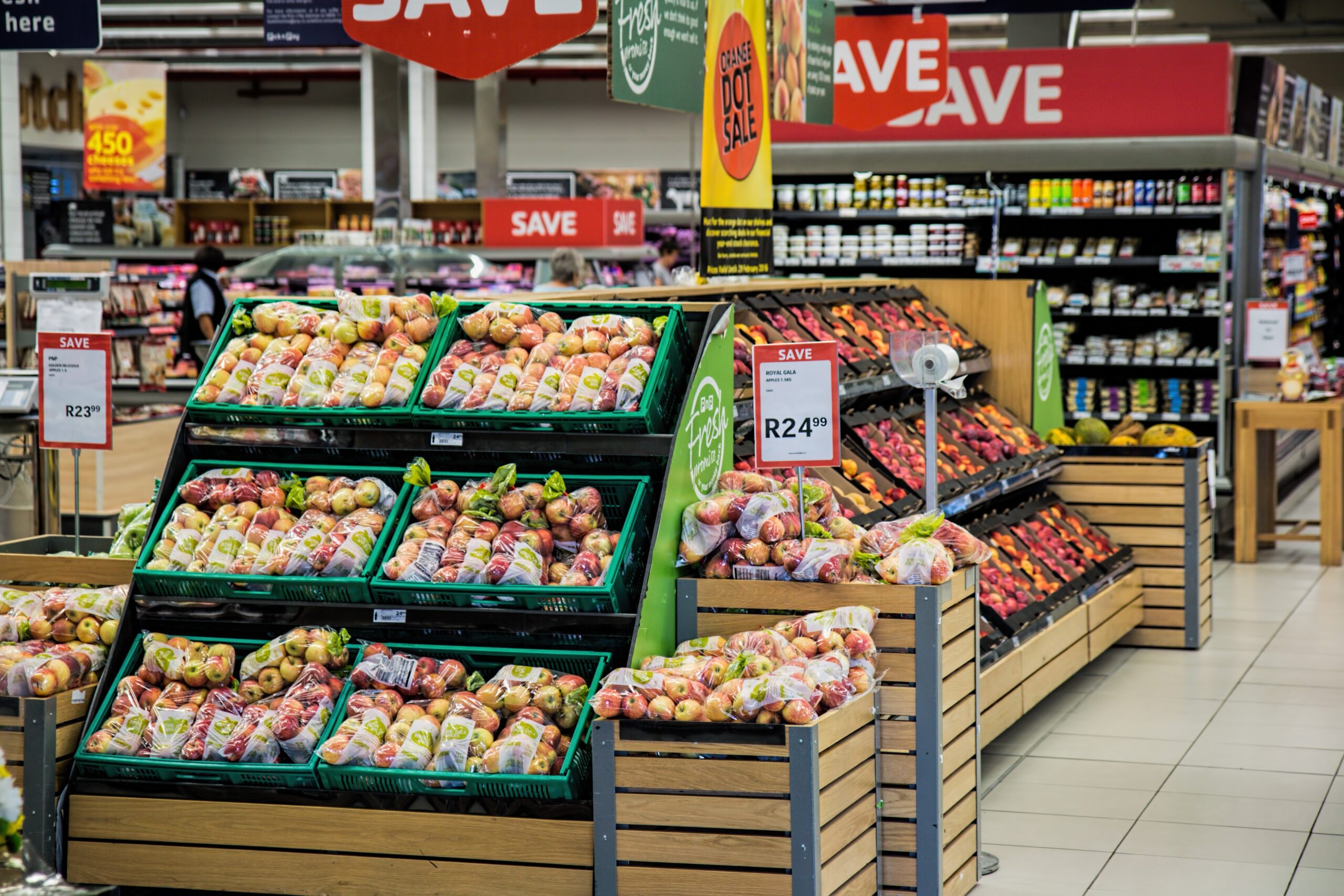
Easter brings a sense of nostalgia, especially with the candy-filled baskets we look forward to every year. But have you noticed that this beloved tradition is costing more than ever before? If you’re wondering why your candy bill seems inflated, you’re not imagining it.
Let’s dig into the real reasons behind this price hike and uncover how you can still enjoy your Easter sweets without blowing your budget.
Candy Prices Have Jumped by 67% Since 2020
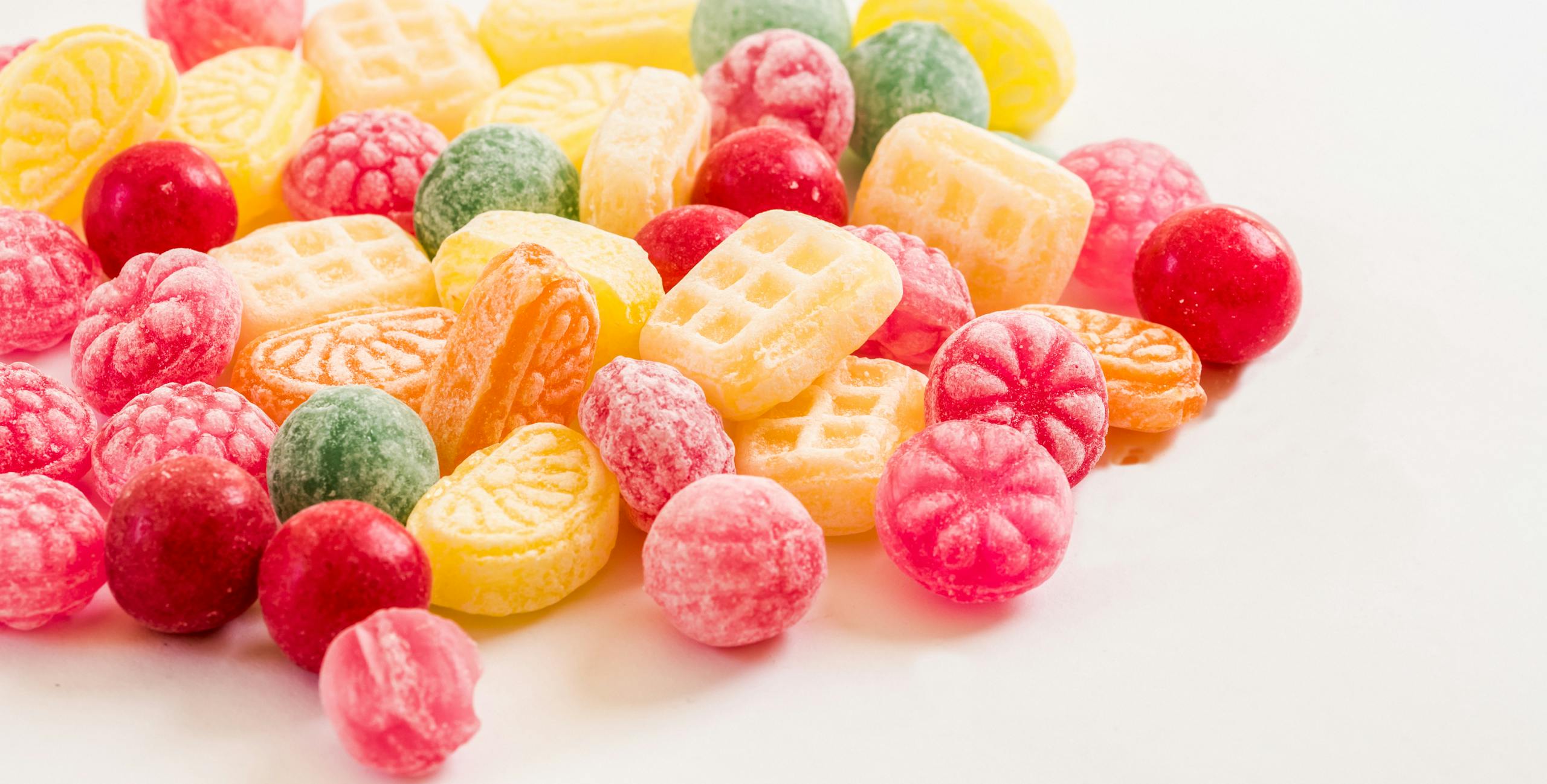
Easter candy has gotten far more expensive over the past few years, and it’s hard to ignore. 67% price hikes since 2020 are making it tougher for families to fill their baskets with the same quantity of treats they once enjoyed.
What might have been a simple price increase has now snowballed into a steep price climb. The result? Less candy for the same budget. You’re no longer filling your Easter basket as you did just a few years ago.
Shrinkflation Is Stealing More Than Just Your Candy
We’re not just talking about price hikes — we’re talking about candy bars shrinking in size. This is the sinister world of shrinkflation, where you pay more for less without even realizing it.
While the package size stays the same, the contents inside are mysteriously shrinking. As a result, you’re paying top dollar, but not getting nearly as much candy as before.
Inflation Is Impacting Every Sweet Bite
The broader inflation that affects everything from gas to groceries has also infiltrated the candy aisle. From ingredient prices to transportation costs, the candy industry has been forced to raise prices across the board.
Your usual Easter candy budget isn’t stretching nearly as far as it used to. With inflation eating away at your purchasing power, it’s not just the candy that’s getting more expensive—it’s the whole consumer experience.
Branding and Premium Pricing Are Driving Up Costs
Candy companies have perfected the art of premium pricing. Ever noticed how Hershey’s, Cadbury, and Reese’s charge a premium for their sweets? That’s because brand power influences the price more than ever before.
Consumers are willing to pay extra for the name, the nostalgic packaging, and the perceived quality. But does the brand name really deliver more value? In many cases, you’re just paying more for the packaging and brand prestige.
The Invisible Price Hike
Small price increases are easier to miss, but they add up quickly over time. A slight bump here, a few cents there—before you know it, candy prices have nearly doubled without you noticing.
The gradual, incremental price hikes are designed to go under the radar. By the time you realize the true price, it’s already too late. This slow creep of price increases makes it hard for consumers to adjust before it becomes a significant burden.
Market Volatility
Here’s a twist in the candy price saga: prices don’t just increase steadily—they fluctuate dramatically from year to year. One year, your favorite candy might be on sale, and the next, it’s suddenly more expensive than ever.
Candy prices aren’t predictable. With market volatility causing sudden spikes, your budget might struggle to keep up with the rollercoaster of price fluctuations.
The Price of Packaging
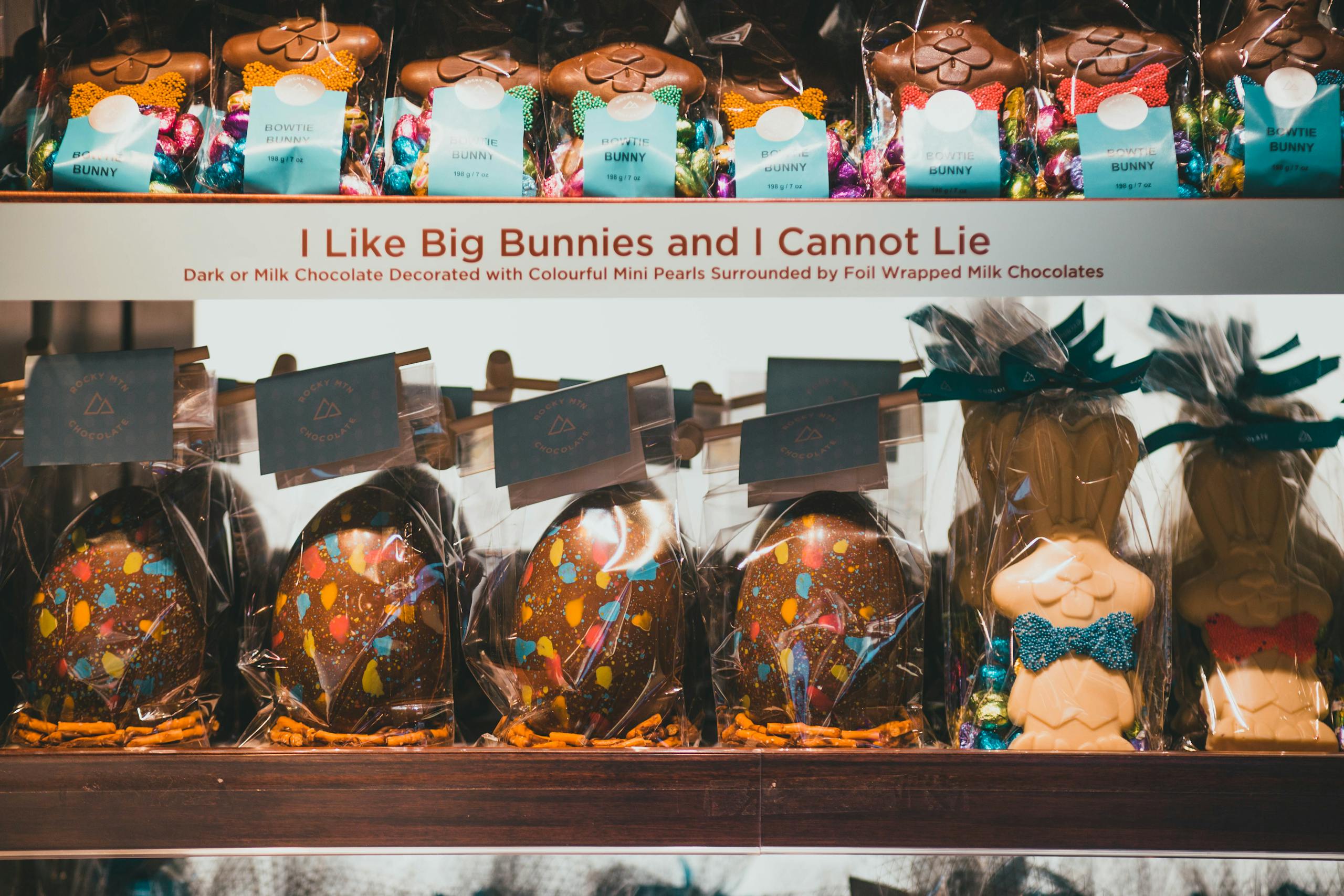
Packaging costs play a bigger role than you might realize. Fancy, colorful wrappers and elaborate packaging cost money, and candy makers are passing that expense onto you.
You’re paying for the design and extra materials, but is it worth it? Simplified packaging could save you a few bucks, leaving you with more candy for your money.
The Candy Market Is Dominated by Just a Few Big Players
The candy industry is controlled by just a few large companies. This lack of competition means these players can raise prices without much fear of losing customers.
When there’s little competition, prices stay high. Shopping around for local candy brands or smaller manufacturers can help you find better deals and avoid inflated prices set by big corporations.
Changing Consumer Preferences
As consumers turn more health-conscious, the demand for premium and gourmet candies has spiked. The downside? These healthier or indulgent options often come with a much higher price tag.
If you’re after healthier or organic options, expect to pay for them. Premium candy manufacturers can charge more for ingredients that are marketed as “better for you,” but your wallet will feel the difference.
Candy Sales Are Seasonal
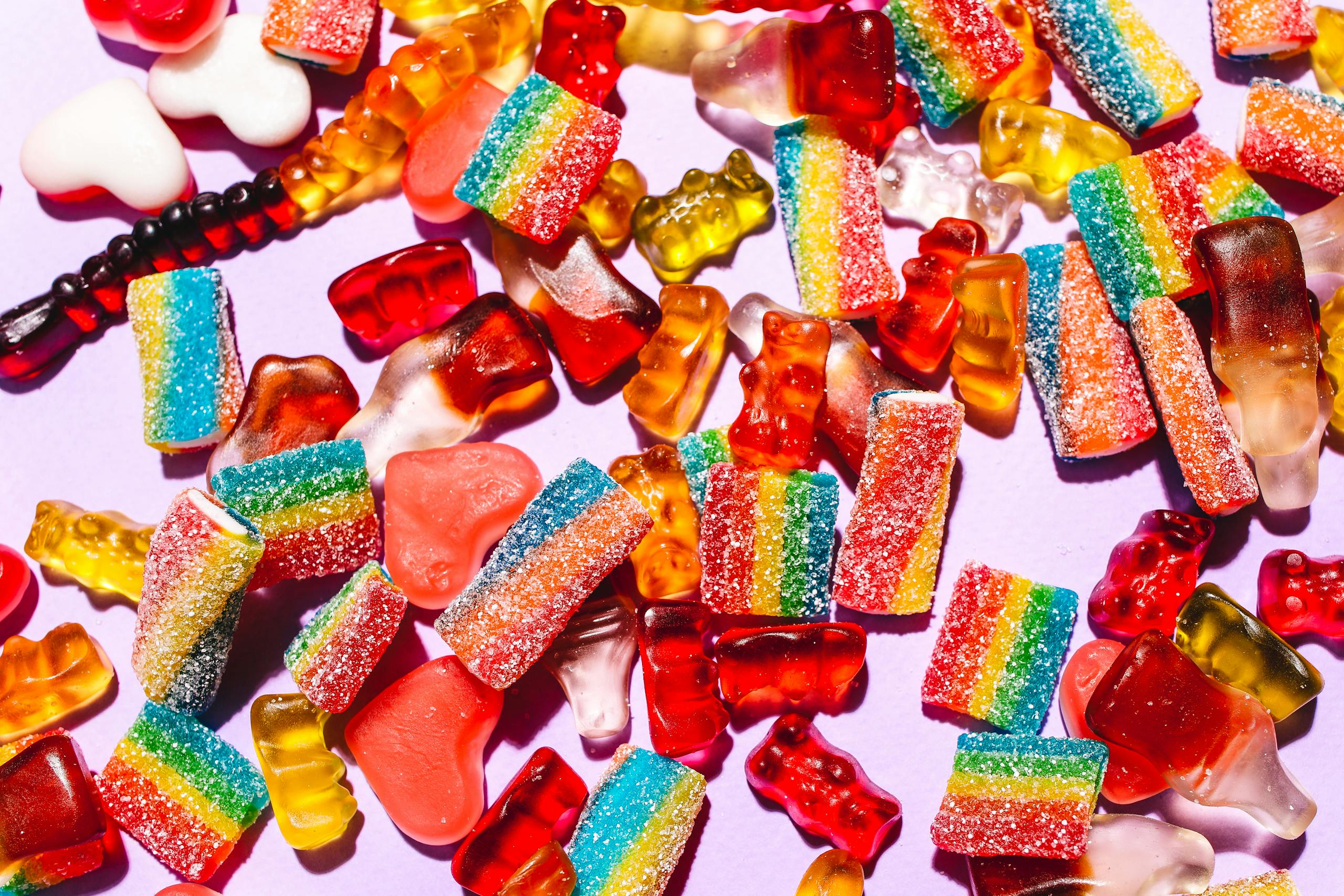
Easter candy is one of the most seasonal products, and like any seasonal good, prices spike when demand is high. Manufacturers know consumers are willing to pay more during Easter, and they adjust prices accordingly.
The best way to save? Shop early or catch the post-holiday sales. You’ll find better deals and avoid the price hike that comes with the Easter rush.
Conclusion
The rise in Easter candy prices isn’t just a minor inconvenience; it’s the result of multiple factors, including shrinkflation, inflation, and market volatility. But while these price hikes may seem inevitable, there’s still a way to manage your candy shopping without breaking the bank.
By being aware of the trends, opting for store brands, and shopping smarter, you can still fill your basket without emptying your wallet.
So, what’s your plan for Easter candy shopping this year? Will you stick with the name brands, or go for more affordable alternatives? Let us know how you’re navigating the candy aisle this Easter season!