When mosquitoes start buzzing around, it’s a sign that summer is in full swing, but so are the itchy bites. Many people are on the lookout for safer, chemical-free alternatives to traditional insect repellents. However, despite good intentions, common mistakes can reduce the effectiveness of natural mosquito repellents. If you’re finding that your chemical-free solutions aren’t living up to the hype, it could be that you’re making one (or more) of these mistakes.
Let’s go over the seven mistakes you could be making and what you can do instead to ensure you’re actually keeping those mosquitoes away without using harmful chemicals.
Using Essential Oils Incorrectly

Mistake: Applying essential oils directly to the skin without dilution.
Essential oils like citronella, eucalyptus, and lavender are often recommended as natural mosquito repellents. However, applying them directly to your skin without dilution can cause skin irritation or even allergic reactions. Essential oils are concentrated, so it’s important to mix them with a carrier oil (like coconut or olive oil) to reduce the risk of skin irritation.
What to do instead: Always dilute essential oils with a carrier oil. A common ratio is 2-3 drops of essential oil for every tablespoon of carrier oil. This ensures the oils remain effective yet safe for your skin. You can also mix essential oils with water in a spray bottle for a light, refreshing repellent.
Not Reapplying Repellent Frequently Enough
Mistake: Applying repellent once and forgetting about it for hours.
Natural repellents often need more frequent reapplication than their chemical counterparts. Ingredients like citronella and lemongrass can lose their potency over time, especially in hot or humid conditions.
What to do instead: Set a reminder to reapply your natural repellent every 2-3 hours, especially if you’ve been sweating or swimming. It’s important to keep the repellent fresh to maintain its effectiveness throughout the day.
Ignoring Mosquito-Repellent Plants

Mistake: Relying solely on sprays and oils, while ignoring plants that naturally repel mosquitoes.
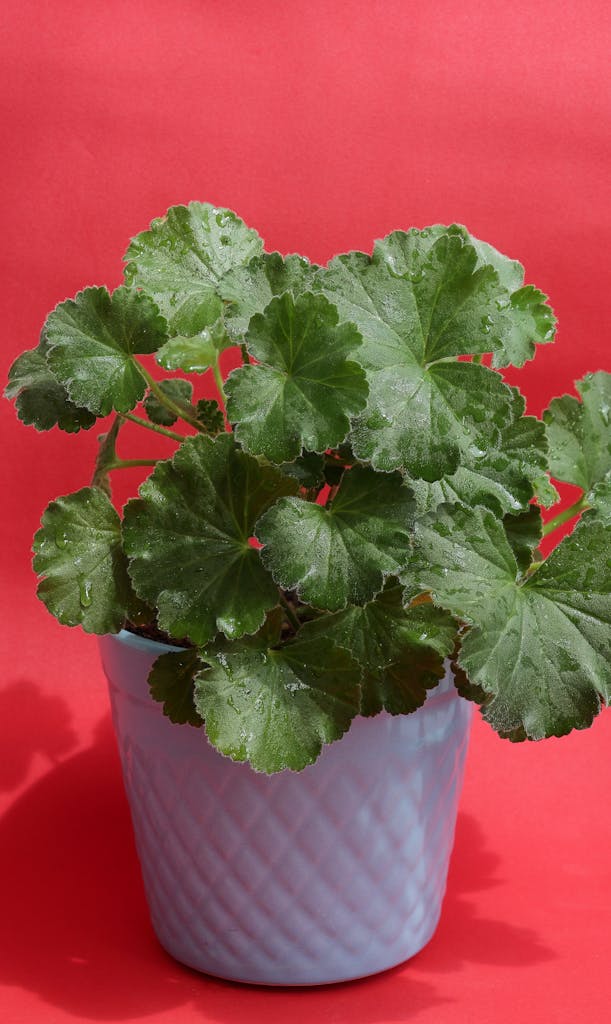
Many people underestimate the power of plants like citronella, marigolds, and lemongrass in keeping mosquitoes at bay. Simply having these plants around your yard or porch can significantly reduce the number of mosquitoes that approach.
What to do instead: Plant mosquito-repellent herbs and flowers in your garden or on your patio. Plants like basil, citronella, and lavender are not only beautiful but also effective in keeping mosquitoes away. Alternatively, you can use potted plants on your balcony or window sills to create a natural barrier.
Not Closing Windows and Doors Properly
Mistake: Using natural repellents but leaving windows and doors open, allowing mosquitoes to enter your home.
Mosquitoes are persistent creatures, and while a good repellent may keep them away for a while, if you’re leaving doors or windows wide open, they’ll find their way in. This can significantly undermine the effectiveness of any natural repellent you’re using.
What to do instead: Always close windows and doors or use screens when using natural repellents. Installing mesh screens on your windows and doors is a simple yet effective solution to keep mosquitoes out while still allowing fresh air in. In addition, consider using a fan to create a breeze that mosquitoes find difficult to navigate.
Ignoring Mosquito Habitats Around Your Home

Mistake: Not eliminating standing water where mosquitoes breed.
While chemical-free repellents can keep mosquitoes from landing on you, they won’t do much to eliminate the source of the problem. Mosquitoes lay their eggs in standing water, so if you’re not addressing this, you could be dealing with a never-ending cycle of pests.
What to do instead: Eliminate standing water around your home by regularly emptying water from flowerpots, bird baths, and other containers. Clean gutters to prevent water accumulation, and consider using a small pump in larger bodies of water, such as ponds, to keep them moving, which makes them less appealing to mosquitoes.
Using Inconsistent Application Methods
Mistake: Applying repellents unevenly, leading to gaps in protection.
Natural repellents, such as sprays and oils, work best when applied evenly to exposed skin or clothing. If you’re spraying in a hurry or skipping certain areas, you might leave gaps where mosquitoes can bite.
What to do instead: Apply your repellent in a systematic, even manner. Spray it over your clothes, hands, legs, and any other exposed skin. Make sure to cover areas like the back of your neck, the backs of your knees, and your ankles, which are prime spots for mosquito bites.
Relying on One Repellent for All Situations
Mistake: Assuming that one type of repellent will work in every situation.
Not all natural repellents are created equal. While citronella might work well for short outdoor outings, it might not be as effective during prolonged exposure or in areas with high mosquito populations. Also, some areas, like wooded areas, may require stronger or more varied repellents.
What to do instead: Choose a repellent based on your environment and how long you’ll be exposed. For a quick trip outdoors, a citronella-based product may suffice. However, if you’re hiking or spending extended periods outside, look for natural repellents with higher concentrations of oils like eucalyptus or lemon balm, or use a combination of repellent methods, such as candles, oils, and sprays.
Conclusion
Using chemical-free mosquito repellents is a great way to protect yourself from mosquitoes without the harmful effects of chemicals, but it’s important to apply them correctly. By avoiding the common mistakes listed above, you can ensure that your natural mosquito protection efforts are effective, safe, and long-lasting. Remember to use proper application techniques, eliminate breeding grounds, and choose the right products for your environment. That way, you can enjoy your outdoor activities without the annoyance of mosquito bites.