In today’s fast-paced world, many of us are constantly racing through our days, juggling tasks, and dealing with stress. One of the simplest yet most powerful ways to combat stress, improve focus, and enhance well-being is through mindfulness breathing exercises. These techniques can help you return to the present moment, calm your mind, and reduce tension in your body.
Breathing is something we all do naturally, but when practiced mindfully, it becomes a tool for mental clarity and emotional balance. Mindfulness breathing helps us slow down, reconnect with ourselves, and cultivate a sense of peace in our often chaotic lives. Whether you’re feeling overwhelmed, anxious, or just need to clear your mind, incorporating breathing exercises into your daily routine can make a profound difference.
Mindful Breathing
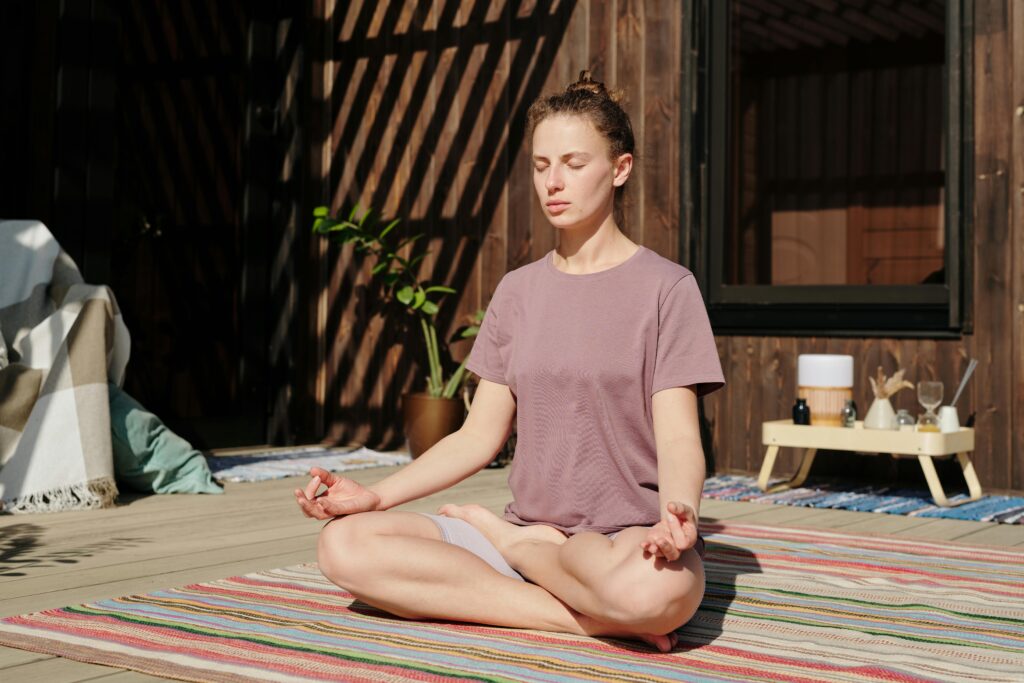
This is the most basic mindfulness breathing exercise. Simply find a comfortable sitting or standing position, close your eyes, and focus on your breath. Notice the sensation of the air entering your body as you inhale, and the release as you exhale. Try not to change the pace of your breathing, just observe it as it is. This practice helps quiet the mind and brings you back to the present moment. Even just a few minutes of mindful breathing can help you feel more grounded and centered.
Breath Counting
Breath counting is an excellent technique for those who find it difficult to focus. Begin by inhaling slowly and then exhaling. Count each breath cycle in your mind: inhale, exhale, count “one,” inhale, exhale, count “two,” and so on. If your mind starts to wander, simply return to the count. This helps prevent distractions and encourages deeper concentration, making it easier to maintain focus and calm.
Nasal Breathing
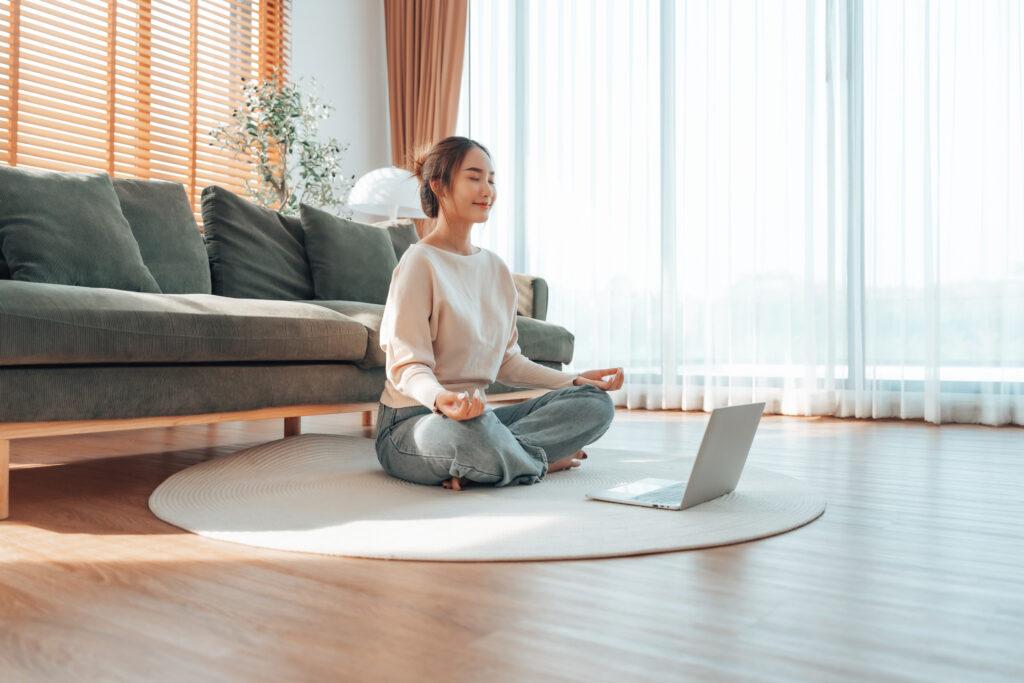
Nasal breathing involves breathing in and out through your nose only, which can have a calming effect on the body. This type of breathing encourages the diaphragm to contract, helping draw more oxygen into the lungs and making your breath deeper and more intentional. Nasal breathing helps slow down your overall breathing rate, which has a relaxing and grounding effect on the body and mind.
Oceanic Breathing
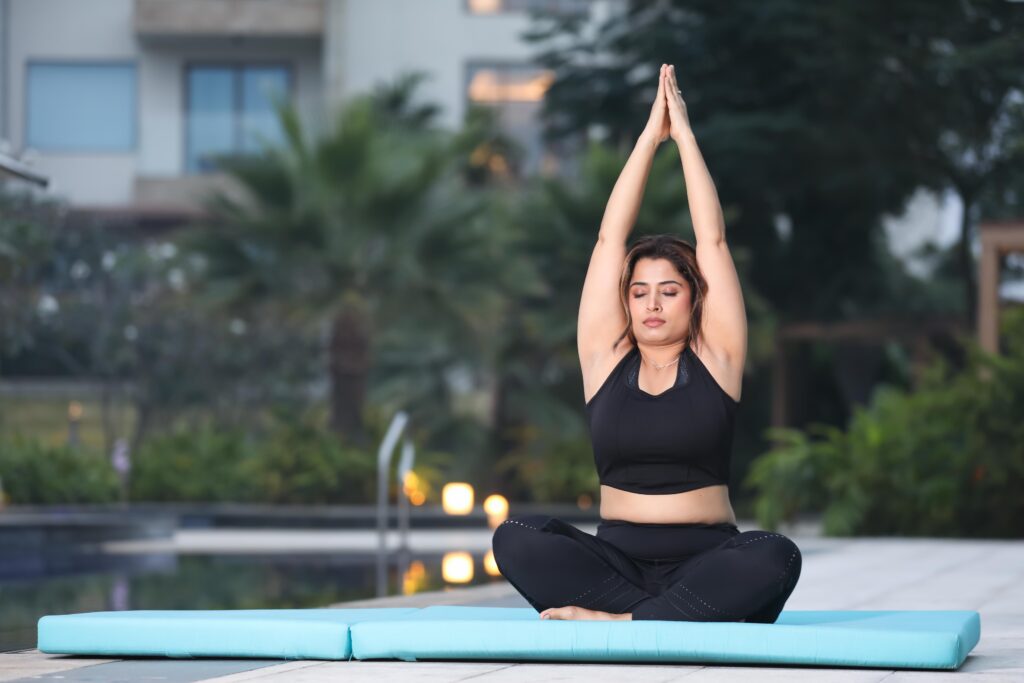
Oceanic breathing is a practice that mimics the sound and rhythm of ocean waves. To do this, inhale deeply through your nose and then exhale slowly through your mouth, making a soft “ha” sound as if you’re fogging up a mirror. This rhythmic, soothing sound can help calm the nervous system and create a sense of tranquility, just like the gentle ebb and flow of the tide.
Sighing Breath
If you’re feeling particularly tense or frustrated, the sighing breath is a great technique to release pent-up emotions. Inhale deeply through your nose, and then exhale audibly through your mouth with a sigh. This action helps activate the body’s relaxation response, releasing both physical tension and emotional stress. The sound of the sigh itself can be a comforting and relieving way to reset your mood.
Deep Breathing (Belly Breathing)

Deep breathing, or belly breathing, is a simple but powerful technique for relaxation. Place one hand on your chest and the other on your abdomen. Inhale deeply through your nose, allowing your stomach to expand as you fill your lungs. Exhale slowly through your mouth, feeling the air leaving your body. This deep, diaphragmatic breathing sends signals to your nervous system that it’s time to relax, slowing your heart rate and lowering your stress levels.
2–4 Breathing (Extended Exhale)
This technique involves inhaling for a count of 2 and exhaling for a count of 4. The extended exhale activates the parasympathetic nervous system, which is responsible for the body’s “rest and digest” functions. This method is especially effective at calming the mind and body, as the longer exhalation slows down the heart rate and promotes a feeling of relaxation and peace.
Energizing Breaths

If you’re feeling sluggish or low on energy, energizing breaths can help boost your alertness. To do this, inhale in four short segments, filling your lungs a little at a time, then exhale in one long breath. This pattern of quick inhales followed by a long exhale can stimulate your body and mind, increase oxygen flow, and help you feel more awake and focused.
Conclusion
Mindfulness breathing is a practice that anyone can benefit from, regardless of age or experience. The beauty of these exercises is that they are simple, effective, and can be practiced anywhere, anytime. By dedicating just a few minutes each day to focus on your breath, you can reduce stress, enhance emotional well-being, and cultivate a sense of inner peace. So why not take a deep breath and begin your journey toward greater mindfulness today?