In the natural world, certain creatures and plants commonly labeled as “pests” have earned their reputations for disrupting human activities or posing a threat to health. However, these same organisms also play crucial roles in maintaining the delicate balance of ecosystems, promoting human health, and supporting various industries. While we typically think of pests as nuisances, many of them provide valuable ecological services and contribute to the world in ways we may not even realize. Below, we explore the unexpected benefits of 10 commonly regarded plant and animal pests.
Poison Ivy

Although poison ivy is notorious for causing uncomfortable rashes, its benefits are often overlooked. This resilient plant plays a crucial role in supporting wildlife. Deer, birds, and various mammals rely on poison ivy as a food source, feeding on its berries and leaves. Beyond its ecological importance, poison ivy’s sap is used to create indelible ink, and recent studies have found its potential in treating wastewater. Its resistance to flooding by wastewater also makes it valuable in wastewater treatment systems.
Ticks
While ticks are infamous for transmitting diseases such as Lyme disease, they also serve an important purpose in nature. Ticks help regulate populations of small mammals, reptiles, and birds by feeding on them. Their presence helps maintain a balanced ecosystem by preventing certain species from overpopulating. Furthermore, scientists use tick populations to monitor the overall health of an ecosystem. A rise or fall in tick numbers can indicate environmental changes that may require intervention.
Dandelions

Often considered an invasive weed, dandelions offer an array of health benefits. Packed with vitamins A, C, and K, as well as calcium and potassium, dandelions are more than just an eyesore in lawns. The roots, leaves, and flowers of the dandelion contain powerful antioxidants that help reduce inflammation, support digestion, and improve heart health. Additionally, dandelions can help regulate blood sugar levels and support liver health. With applications in herbal medicine, teas, and even wine, dandelions provide both nutritional and medicinal value.
Termites
Termites have earned a reputation as destructive pests for their ability to damage wooden structures, but they also serve a vital ecological role. These insects break down dead trees and organic matter, returning nutrients to the soil. Their digestive process speeds up the decomposition of wood, enriching the earth and enhancing soil quality, which supports plant life. Termites also help aerate the soil, improving its structure and water retention. In some cultures, termites are consumed as a nutritious food source, packed with essential minerals and vitamins.
Mosquitoes
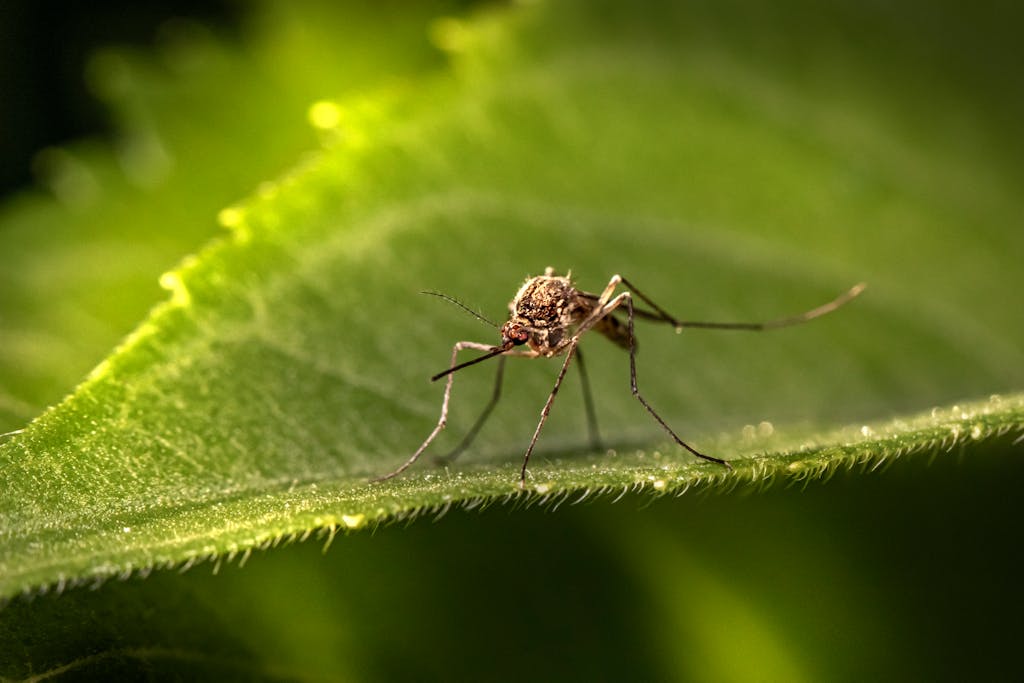
Although mosquitoes are often associated with disease transmission, they also play a key role in ecosystems. Female mosquitoes, which require blood to reproduce, also pollinate plants while feeding. Some wild orchids, for example, rely on mosquitoes for pollination. Additionally, both mosquito larvae and adult mosquitoes provide a food source for other species, including birds, bats, and dragonflies. These insects help sustain a wide range of predators, making them an essential part of the food web.
Bats
Bats are often misunderstood and feared due to their association with rabies and other diseases. However, these nocturnal creatures provide essential services to both ecosystems and human health. Bats are important pollinators for several plants, including bananas, avocados, and mangoes. They consume large quantities of insects, including pests that harm crops, reducing the need for chemical pesticides. Bats have also contributed to medical research, leading to the development of vaccines and advances in echolocation technology used to help visually impaired individuals navigate their surroundings.
Rats
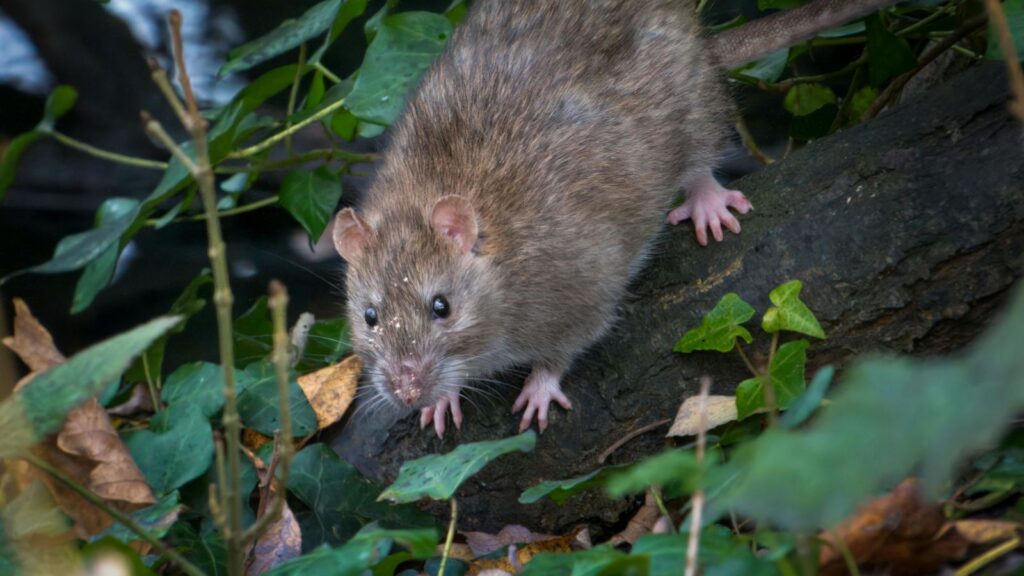
Rats are often regarded as vermin, associated with filth and disease, but they have been invaluable in scientific research. Their physiology is similar to humans in many ways, making them ideal subjects for studying diseases such as cancer, diabetes, and neurological conditions like Parkinson’s and Alzheimer’s. Rats also exhibit complex social behaviors, making them useful for behavioral and cognitive research. By contributing to our understanding of human health, rats continue to play a vital role in medical and scientific advancements.
Conclusion
While it’s easy to dismiss certain pests as nuisances or threats, many of them offer significant benefits to the environment and humanity. From improving soil quality to advancing medical research, these “pests” play roles that are often overlooked. By understanding the positive contributions of these creatures, we can better appreciate their place in the natural world and work toward coexistence with them that benefits both humans and ecosystems.