Pets are part of the family, and their safety is a top priority. If you’re a plant lover, it’s essential to be aware of the potential dangers lurking in your home. Many common household plants are toxic to pets, particularly cats and dogs.
In this article, we’ll delve into the most hazardous plants for pets, how to recognize symptoms of poisoning, and ways to create a pet-friendly environment without sacrificing your love for greenery.
Oleander

Oleander is a popular ornamental plant, but it’s highly toxic to both cats and dogs. Ingesting even a small amount can cause severe heart problems, drooling, vomiting, and even death. The plant contains cardiac glycosides, which disrupt the heart’s normal rhythm.
Sago Palm
Sago palms are another ornamental plant that can be deadly to pets. Ingesting any part of this plant, particularly the seeds, can lead to liver failure, vomiting, and severe neurological symptoms. The toxins in sago palms, known as cycasin, cause irreversible liver damage.
Autumn Crocus
Autumn crocus, also known as meadow saffron, is a beautiful plant that’s highly toxic to pets, especially cats. Ingesting the plant can cause liver damage, kidney failure, and gastrointestinal issues. Symptoms can appear within hours and are often severe.
English Ivy
English ivy is a common houseplant, but it contains saponins and polyacetylene compounds that can cause gastrointestinal distress in pets. Dogs and cats may exhibit symptoms such as vomiting, diarrhea, drooling, and abdominal pain after ingesting this plant.
Aloe Vera
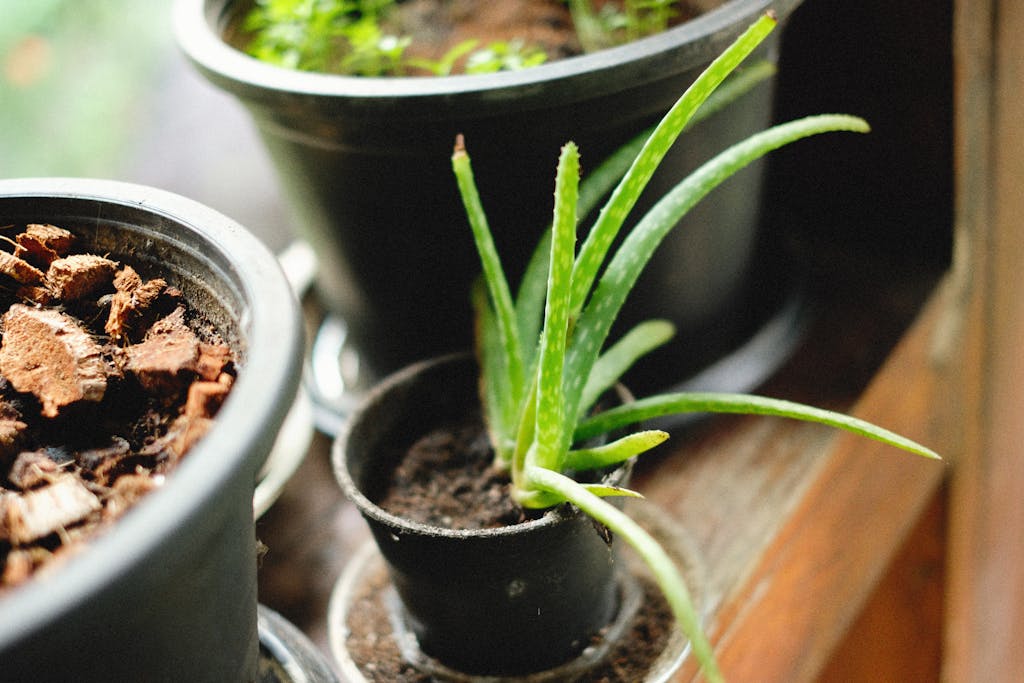
While aloe vera has medicinal properties for humans, it is toxic to cats and dogs. The latex found in aloe vera contains compounds called anthraquinones, which can cause vomiting, diarrhea, tremors, and changes in the pet’s behavior.
Lily
Lilies, including Easter lilies and day lilies, are incredibly toxic to cats. Even a small ingestion of petals or pollen can lead to kidney failure in felines. Dogs may also suffer from gastrointestinal issues, but cats are especially vulnerable.
Azalea
Azaleas are another common ornamental plant that poses a danger to pets. These plants contain grayanotoxins, which can cause vomiting, drooling, diarrhea, and even cardiac arrhythmias in dogs and cats. Severe cases can lead to death.
Dieffenbachia
Dieffenbachia, also known as dumb cane, is a popular houseplant with large, attractive leaves. However, its sap contains insoluble calcium oxalate crystals, which can cause intense irritation of the mouth, throat, and digestive tract in pets. Swelling and difficulty swallowing are common symptoms of poisoning.
Tulip

Tulips are common spring flowers, but they are toxic to both cats and dogs. The bulbs, in particular, contain toxins called tulipalin A and B, which can cause drooling, gastrointestinal upset, and lethargy. In some cases, tulip poisoning can cause cardiac issues.
Poinsettia
Poinsettias are a popular holiday plant, but their milky sap can irritate pets’ mouths and stomachs. While it is not usually deadly, ingestion can lead to mild symptoms like drooling, vomiting, and diarrhea.
Chrysanthemum
Chrysanthemums are beautiful flowers commonly found in gardens and as potted plants. However, they contain pyrethrins, which can cause vomiting, diarrhea, drooling, and even liver damage in pets. Dogs are more likely to suffer from symptoms, but cats can also be affected.
Pothos
Pothos, or devil’s ivy, is a common houseplant that can cause mild to severe symptoms of poisoning in pets. Ingesting this plant can lead to drooling, difficulty swallowing, and gastrointestinal upset. The plant contains calcium oxalate crystals that can irritate the digestive system.
Castor Bean
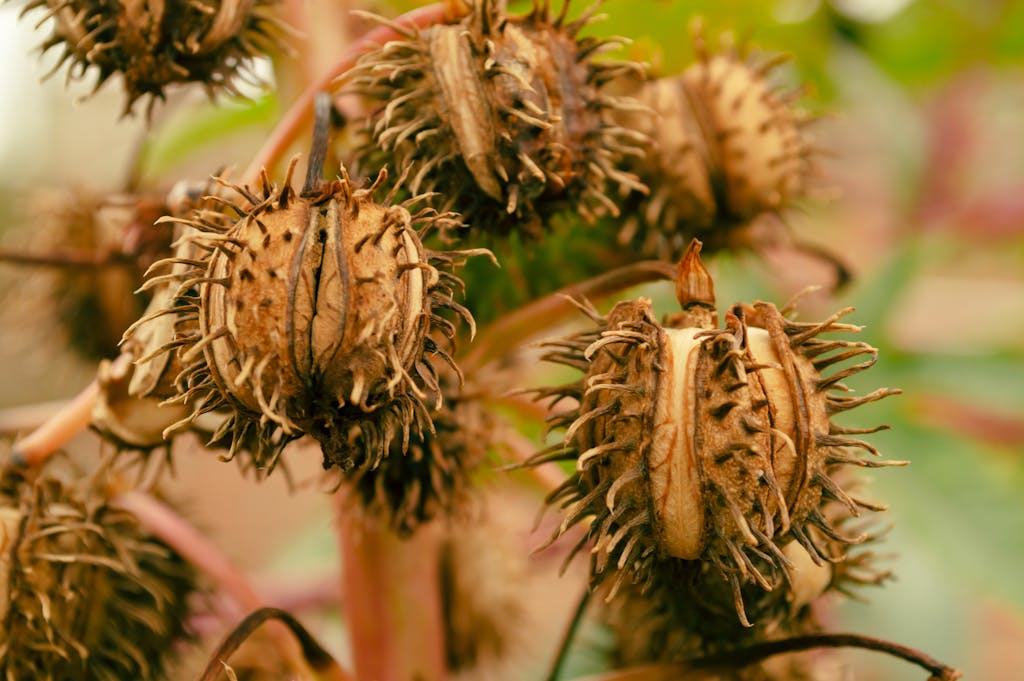
The castor bean plant, while decorative, contains ricin, a potent toxin that can cause severe poisoning in pets. Ingesting even a small amount of the seeds can lead to vomiting, diarrhea, abdominal pain, and organ failure. Ricin is highly toxic and can be fatal without immediate treatment.
Foxglove
Foxglove is a beautiful but dangerous plant that contains compounds that affect the heart. Ingesting any part of the plant can cause heart arrhythmias, vomiting, diarrhea, and even death in pets. Dogs are more susceptible to the toxic effects of foxglove, but cats should avoid it as well.
Calla Lily
Calla lilies are toxic to both cats and dogs. The plant contains insoluble calcium oxalates, which can cause oral irritation, drooling, difficulty swallowing, and gastrointestinal problems. In severe cases, ingestion can lead to kidney failure.
Symptoms of Plant Poisoning in Pets
Recognizing the signs of plant poisoning in pets is crucial for prompt intervention. Common symptoms of poisoning include:
- Gastrointestinal issues: Vomiting, diarrhea, and drooling are the most common signs.
- Behavioral changes: Pets may become lethargic, confused, or agitated.
- Cardiac symptoms: Some toxic plants, like oleander and azalea, can cause irregular heartbeats and even cardiac arrest.
- Neurological effects: Tremors, seizures, and difficulty walking are signs of severe poisoning, especially from plants like sago palm and foxglove.
- Swelling: Ingesting plants like dieffenbachia can cause swelling in the mouth, throat, and lips.
If you suspect your pet has ingested a toxic plant, seek veterinary help immediately. The sooner the treatment begins, the better the chances of a full recovery.
How to Keep Your Pets Safe from Toxic Plants

Creating a pet-friendly home with plants doesn’t mean you have to eliminate all greenery. Here are some tips to keep your pets safe:
Choose Pet-Safe Plants
Opt for non-toxic plants. Some great options include spider plants, bamboo palm, and Boston ferns. Always check plant toxicity before bringing new plants into your home.
Keep Plants Out of Reach
If you already have toxic plants, make sure they are placed out of your pet’s reach. Hanging plants or placing them on high shelves can minimize the risk of your pet ingesting them.
Educate Family Members and Guests
Inform your family members and visitors about the dangers of certain plants. Keep a list of toxic plants in your home, so everyone knows which ones to avoid.
Act Quickly if Poisoning Occurs
If you suspect your pet has eaten a toxic plant, do not wait for symptoms to appear. Call your vet or an emergency animal clinic right away. Bring a sample or a photo of the plant to assist with diagnosis and treatment.