Tipping has gone from a simple gesture of appreciation to a source of frustration for many Americans. What was once reserved for waitstaff is now expected everywhere, from cafes to car repair shops to even medical offices. But here’s the real question: How did tipping become so out of control, and what can we do about it? Let’s break it down.
Tipping Fatigue Is Real, And It’s Only Getting Worse
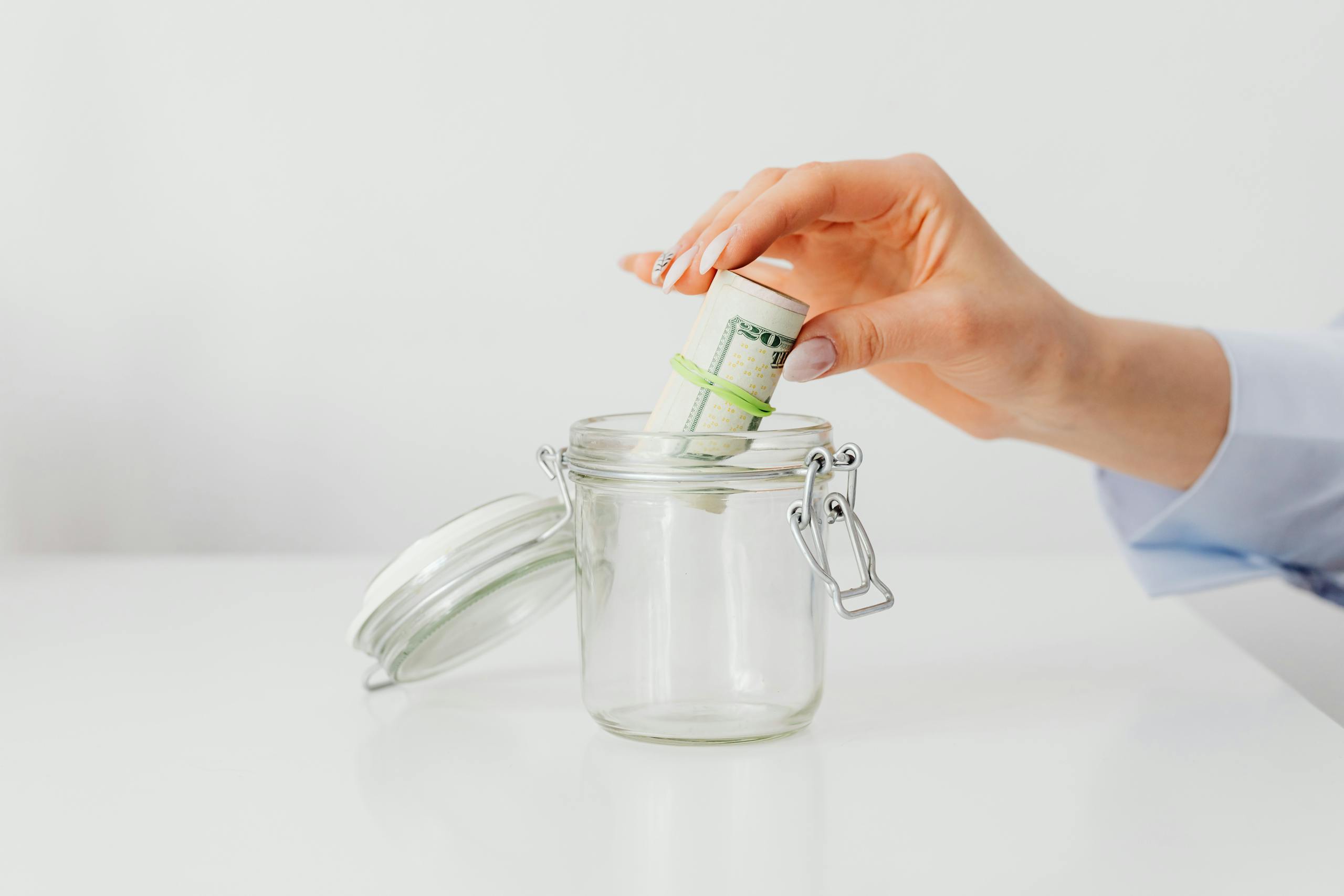
Remember when tipping was reserved for fine dining or a hotel bellboy? Those days are long gone. Now, tipping is creeping into nearly every service industry imaginable, from Starbucks to your local auto repair shop. People are tired of it. And who can blame them? The feeling of constantly being asked to tip is called tip fatigue, and it’s growing more prevalent.
With prices rising everywhere, it feels like another financial burden is being added to an already tight budget. Is this really necessary? When did it become the customer’s job to make up for low wages across so many industries? It’s a question that many people are starting to ask.
Social Pressure to Tip
Ever been handed the tip screen with pre-selected amounts of 15%, 20%, or 25%, feeling like you have no choice but to pick one? That’s social pressure at work. It’s not about what you think the service deserves, but about feeling guilty for choosing a lower percentage. If you’ve ever wondered why you tipped more than you thought you should, the answer is simple: peer pressure.
In many cases, people aren’t tipping because they believe the service was exceptional, but because they don’t want to be judged or appear cheap. Shouldn’t tipping be based on service, not a pre-programmed screen telling you what to do?
Tip Expectations Keep Growing, And It’s Hurting Everyone

Once upon a time, tipping was a small, voluntary gesture of thanks for good service. Now, it’s become an expected part of the transaction. And businesses are increasingly relying on tips to pay their workers. When did employers start expecting customers to pay their employees?
If a company is making record profits, shouldn’t it be paying its workers fairly rather than relying on customers to make up the difference? This practice is not only unfair, but it’s unsustainable. Customers are feeling the strain, and workers deserve a paycheck that doesn’t depend on the generosity of strangers.
Tipping Isn’t Always Transparent
Ever wonder where your tip actually goes? Is it going directly to the worker who helped you, or does the business get a cut? There’s little transparency in the tipping system, and it’s time for that to change. Customers deserve to know how their tips are distributed.
People want to know that their money is actually going to the worker who needs it. Without clear answers, customers begin to feel like they’re just throwing their money into a void. Isn’t it about time businesses made the tipping process transparent?
It’s About Time We Discussed a Tip Ban
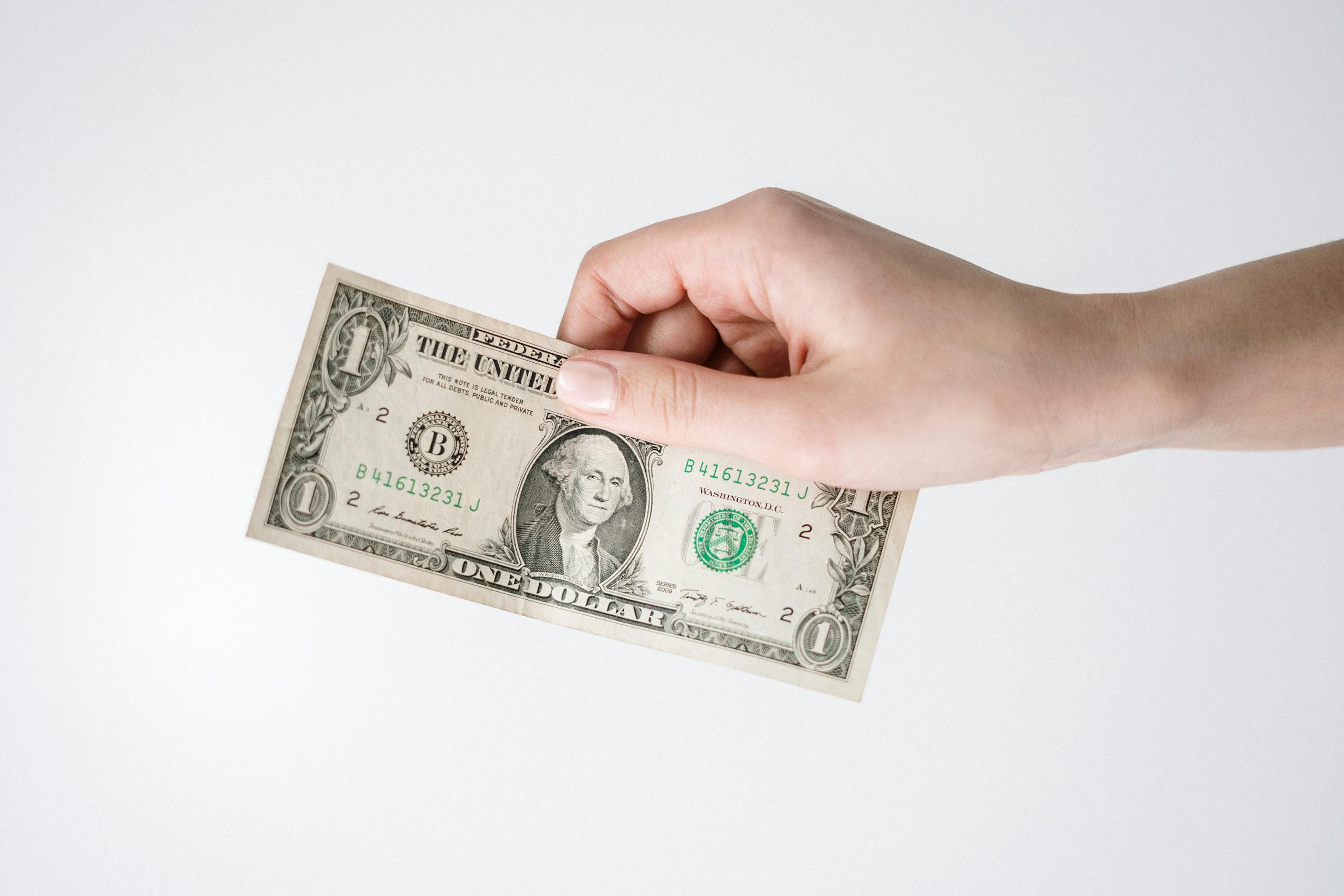
Imagine a world without tipping. It may sound drastic, but many people are starting to believe it could be the solution to the tipping problem. What if businesses paid employees a fair wage and eliminated tipping altogether?
This could ensure that workers receive a steady, reliable paycheck, while customers wouldn’t feel the pressure to constantly tip. Of course, this isn’t an easy fix; there are concerns that workers could be left worse off. But the real solution might lie in raising the minimum wage to ensure that all workers are paid fairly, without depending on tips.
Tip Suggestions Are Often Manipulative
You’ve probably seen it: the screen with suggested tip amounts staring back at you. The problem is, these pre-selected options aren’t just “suggestions”, they’re expectations. Why are customers being nudged toward higher tips? It’s manipulation at its finest.
These screens are designed to guilt-trip customers into tipping more, even when they feel the service doesn’t warrant it. It’s time to take the pressure off customers and let them decide how much to tip based on their own judgment of the service.
The Future of Tipping
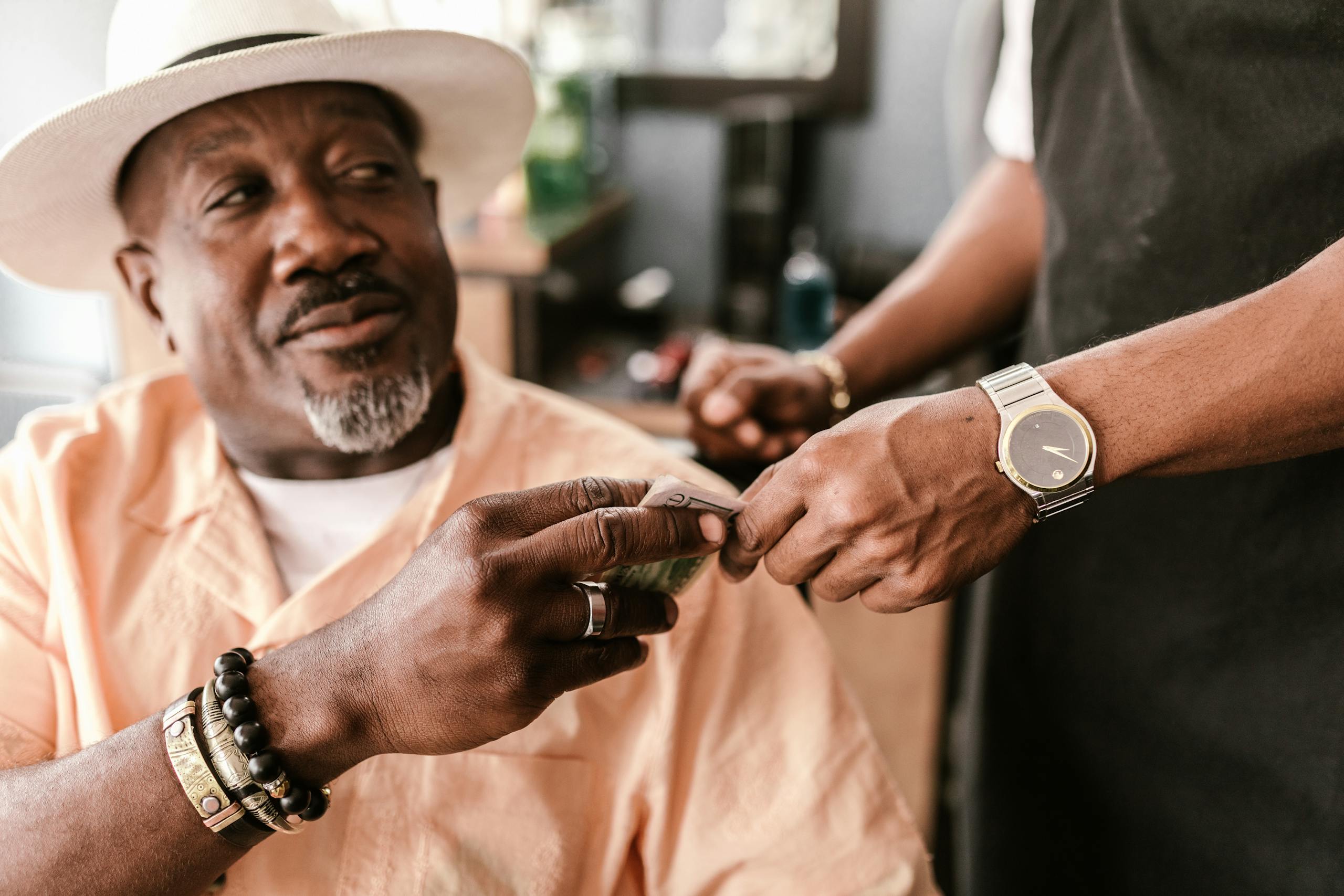
The tipping system in America is broken, but there’s hope. What needs to change?
- Raise Minimum Wages: Employers need to take responsibility and pay their workers a livable wage. Tipping should be a bonus, not a necessity.
- Increase Transparency: Customers deserve clarity on where their tips go. Businesses should make this information easy to access.
- Simplify Tipping: Let customers tip what they feel is appropriate, without pre-programmed suggestions or guilt.
It’s time for a more sustainable and fair tipping system, one that works for everyone.
Conclusion
Tipping has become a tangled web of expectations, pressure, and frustration. As consumers, we’re tired of feeling like we’re stuck in a system that doesn’t work for us. As workers, you deserve to be paid fairly without relying on tips. Are you ready to demand change?
Whether that means a tipping ban or simply reforming how tips are handled, it’s clear that the system needs a major overhaul. What’s your take? Should we ban tipping altogether, or is there a better way forward? Let’s keep the conversation going.