Living in the suburbs offers a unique lifestyle that is distinct from city living. From the sense of community to the wide-open spaces, suburban life offers a different rhythm, where people often enjoy quieter surroundings and a slower pace. However, there are nuances that only those who have experienced it can truly understand. Here are 17 things you’d never know if you’ve never lived in the suburbs.
The Sound of Silence
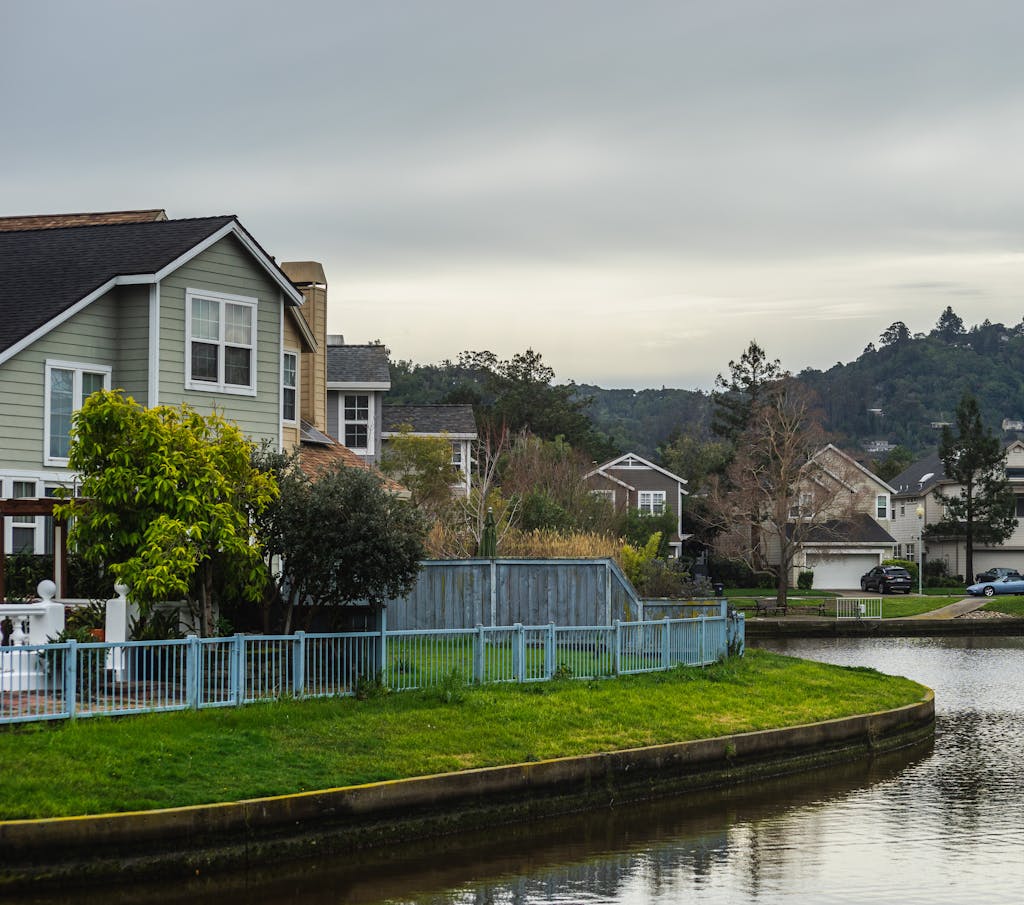
Unlike city living where the hustle and bustle dominate, the suburbs are remarkably quiet. Nights are peaceful, and the days are filled with the hum of nature rather than the constant noise of traffic and crowds. This serene environment is perfect for those who prefer tranquility. Yet, when the wind blows, the sounds of children playing or dogs barking echo through the air, giving a hint of life that never feels overwhelming.
Front Porches Are a Hub for Social Life
In suburban neighborhoods, the front porch serves as the focal point of social interaction. It’s common to see neighbors sitting outside, chatting about their day, catching up on local news, or simply enjoying the weather. These front porches offer a casual, welcoming atmosphere that invites conversations, often leading to lasting friendships. If you’ve never lived in the suburbs, you might miss out on the charm of spontaneous interactions and a sense of connection to your neighbors.
You’ll Know the School Schedule Like the Back of Your Hand
Suburban living and school life are intimately intertwined. The school schedule, particularly your children’s, is often the cornerstone of daily routines. School buses lining up early in the morning, local school events, and PTA meetings dominate the calendar. It’s a rhythm that shapes your lifestyle, making you hyper-aware of school holidays, field trips, and sports events. For those without children, the school schedule still shapes everything from traffic patterns to parking availability.
Love-Hate Relationship with Lawn Care

One of the most iconic aspects of suburban living is the obsession with lawn care. From mowing the lawn every week to perfecting your hedge trimming skills, many suburbanites take great pride in their well-manicured yards. However, this passion for perfection can sometimes feel like a never-ending chore. You’ll often find yourself battling weeds, dealing with dry patches, and hoping for a lush green lawn that never seems to last as long as you’d like.
Traffic Jams You Didn’t Expect
While the suburbs are known for their spacious streets, don’t be fooled into thinking traffic jams are a big-city issue. As suburban areas grow and more people move in, the daily commute can become a real headache. Morning and evening rush hours are packed with cars, and even the seemingly quiet suburban streets can turn into bottlenecks. You’ll learn to navigate backroads and shortcuts like a local to avoid getting stuck in traffic.
Suburbia’s Addiction to Coffee Shops
Although Starbucks and other chains are common sights, suburban areas often take pride in their independently owned coffee shops. These small businesses serve as social hubs where locals meet for a quick caffeine fix or catch up with friends. You’ll get to know your barista’s name and order preferences, and the coffee shop will become a vital part of your daily routine.
Everyone Knows Someone Who Knows Someone
In suburban areas, the sense of community runs deep. The more time you spend in a neighborhood, the more you realize just how interconnected everyone is. You’ll likely find out that someone’s cousin is your child’s soccer coach or that your coworker lives two streets down. This network of relationships creates an environment where information flows easily and people take care of one another.
Weekend Projects Are a Way of Life

Suburban homes often come with large yards and spacious properties, which means there is always something that needs fixing or improving. Weekends become prime time for home improvement projects, whether it’s repainting the fence, planting new flowers, or finally organizing the garage. These DIY activities can range from satisfying accomplishments to frustrating tasks that never quite reach the finish line.
Cul-De-Sac Dynamic
Living in a cul-de-sac has its advantages and quirks. It creates a sense of exclusivity and safety, with minimal traffic. Children often play freely in the street, while adults chat with neighbors in the evenings. However, the quiet can become overwhelming for some, as the isolation can feel a bit too secluded, particularly for newcomers who miss the energy of urban living.
Unspoken Competition with the Neighbors
Whether it’s keeping up with the latest home renovations, car upgrades, or the best holiday decorations, there’s a subtle competition between neighbors. Everyone wants to keep up appearances, and there’s often an unspoken pressure to match the level of upkeep in the neighborhood. This can turn even the simplest home improvements into major projects, driven by the desire not to fall behind.
A Sense of Safety (and the Occasional False Sense of Security)
Suburbs are typically perceived as safer than urban areas, but this often leads to a false sense of security. While crime rates may be lower in suburban neighborhoods, no area is completely immune. It’s important to remember that safety isn’t just about low crime rates; it’s about staying vigilant and aware of your surroundings. The quiet streets and well-maintained houses might give the illusion of total safety, but suburban areas still face challenges like any other.
Car is King
In the suburbs, the car is more than just a mode of transportation; it’s a way of life. With limited public transportation options, owning a car is often a necessity. Whether you’re driving to the grocery store, commuting to work, or picking up your kids, you’ll quickly realize how much of your time is spent behind the wheel. Suburban sprawl often means that everything is spread out, and walking isn’t always an option.
You’ll Have More Space (But Less Privacy)
While suburban homes often offer more square footage compared to city apartments, this additional space can come at the cost of privacy. Houses are often built close together, with just a small fence separating you from your neighbor’s backyard. This closeness can lead to frequent interactions, both planned and unplanned, which some residents love, while others may find them intrusive.
Local Grocery Store is More Than Just a Place to Shop
In the suburbs, your local grocery store can become more than just a place to buy food. It often doubles as a social space where you bump into neighbors, share small talk, and catch up on the latest gossip. You’ll get to know the staff, the best times to shop, and the hidden deals on fresh produce. For many suburbanites, the grocery store is the heart of the community.
Suburbia Loves to Throw a Good Block Party

Suburban neighborhoods often take pride in their strong community spirit, and one of the best ways to celebrate this is through block parties. These events, which usually involve food, music, and games, are a staple of suburban life. Everyone pitches in, and it’s a great way to meet new people, catch up with old friends, and bond over shared experiences.
Seasonal Decorations Are a Big Deal
When it comes to celebrating holidays, suburban homes go all out with decorations. From Halloween to Christmas, you’ll see elaborate displays of lights, inflatables, and seasonal yard ornaments. These decorations aren’t just for show; they’re a way for families to showcase their creativity and festive spirit to the entire neighborhood. The holiday season becomes a time of friendly competition over who has the best-decorated house.
Struggle for Wi-Fi and Internet Speed
As suburban areas expand, the demand for high-speed internet can outpace the supply. Residents often complain about slow internet speeds, buffering issues, and dropped connections. Whether it’s due to outdated infrastructure or the sheer number of users, struggling with Wi-Fi can be a frustrating part of suburban life, especially as work and entertainment become increasingly reliant on a strong online presence.