Treats are supposed to be fun, indulgent, and simple, yet myths surrounding them make snacking more confusing than it should be. From candy to cookies, rumors spread faster than chocolate melts on a hot day. Understanding the truth behind these myths not only protects health but also makes enjoying treats more satisfying.
These myths are sticky because they feel entertaining or alarming. A Twinkie that never goes bad or gum that sits in your stomach for years sounds unforgettable. Separating fact from fiction lets us savor our favorite snacks without falling for exaggerations or misinformation.
Oreos Are Not Truly Vegan
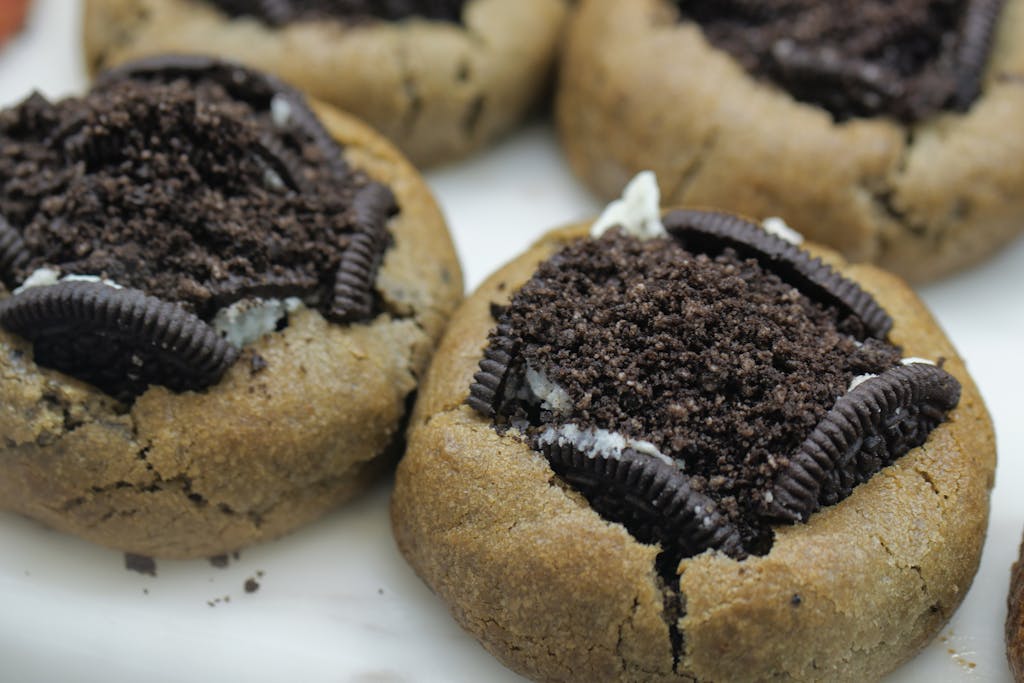
Many people assume Oreos are completely vegan because their classic filling contains no obvious milk ingredients. The reality is that cross-contact with milk during production means they may contain trace amounts, making them unsuitable for strict vegans. Checking regional allergen information is essential for anyone avoiding dairy completely.
Nabisco converted Oreos to vegetarian-friendly in the 1990s after removing lard from the cream. However, vegan-friendly labeling does not guarantee zero exposure to milk. Homemade Oreo-style cookies remain the only fully vegan option for those who want complete certainty.
Raw Cookie Dough Is Riskier Than You Think
Raw cookie dough has a nostalgic charm, yet it carries more than a tiny egg-based risk. Flour can harbor harmful bacteria, such as E. coli, and raw eggs may contain Salmonella. Eating untreated dough occasionally may not cause illness, but it is not completely safe.
Heat-treated flour and pasteurized eggs dramatically reduce risks. Commercial edible cookie dough products address these hazards directly. Understanding the true dangers prevents unnecessary stomach upsets while still allowing a safe indulgence.
Swallowed Gum Does Not Stay Forever

Children and adults alike have heard the tale of gum remaining in the stomach for seven years. This is completely false; the digestive system naturally passes gum, though it cannot be fully broken down. Only extreme cases of multiple swallowed pieces combined with constipation might cause minor blockage.
Chewing gum remains beneficial in moderation. It can improve oral health, reduce stress, and aid concentration. Swallowing a single piece will not cause long-term harm, making this one of the longest-living snack myths.
Twinkies Expire Like Any Other Snack
Twinkies often get labeled as immortal apocalypse food, but they have a real shelf life. Hostess confirms they last about 25 days in proper storage before taste and texture decline. Treating them like indestructible snacks is a myth rooted in pop culture exaggeration.
The idea of everlasting Twinkies gained traction because they are packaged tightly and stabilized with preservatives. While their appearance may outlast homemade cakes, they are not immune to spoilage. Knowing their actual freshness helps manage expectations and prevents unnecessary disappointment.
Pop Rocks and Soda Will Not Explode Stomachs
Pop Rocks may seem dangerous when combined with soda, but the “exploding stomach” story is pure fiction. The candy’s pressurized carbon dioxide creates popping sounds, and soda adds more gas, but it will not cause internal explosions. Burping or bloating is the only likely outcome from overeating them.
The famous “Little Mikey” myth has been thoroughly debunked. Kids consuming Pop Rocks and soda are not at risk of catastrophic digestive events. Enjoying the candy in moderation is safe and much less dramatic than rumors suggest.
The Life Savers Hole Was Branding, Not Safety
Many believe the hole in Life Savers prevents choking, but the truth is more practical. Candy maker Clarence Crane designed the hole for aesthetic and marketing reasons, making it visually distinct from European mints. The story about a child dying before its creation is entirely fictional.
The ring-shaped candy also helped it survive warmer temperatures without melting easily. Crane aimed for a standout product rather than a lifesaving invention. Recognizing this distinction gives us a richer understanding of confectionery history and marketing strategy.
White Chocolate Is Real Chocolate

White chocolate often faces criticism for lacking cocoa solids, but it is legally considered chocolate. It contains cocoa butter, milk solids, and sugar, which satisfy both FDA and European chocolate standards. Calling it ‘fake chocolate’ ignores its legitimate origin in the cacao bean.
Its creamy, sweet flavor comes from fat rather than solids, giving it a unique taste profile. Confusing it with generic vanilla candies overlooks its culinary identity. True white chocolate holds a rightful place in desserts and confections worldwide.
Candy Canes Were Not Invented as Christian Symbols
Candy canes are often described as coded Christian symbols, but historical evidence disproves this origin story. Early candy sticks existed before the Indiana legends, and the “J” shape symbolism emerged much later. The design was practical and festive, not mandated by religion.
Modern symbolism can still be meaningful, yet it is not the origin. German and European candy-making traditions contributed far more to their shape and popularity. Understanding the real history preserves the treat’s charm without relying on fabricated stories.
Sugar-Free Candy Can Still Harm Teeth
Sugar-free does not automatically mean tooth-friendly. Acidic ingredients, such as citric acid in fruit-flavored candy, can erode enamel. Chewy sugar-free candies can cling to teeth, giving bacteria time to create cavities despite lacking sugar.
Maintaining oral hygiene remains crucial even with sugar-free snacks. Brushing and rinsing prevent acid buildup and residue accumulation. Awareness of acidity and stickiness ensures healthy enjoyment of these seemingly safe treats.
Fortune Cookies Are an American Invention

Despite their presence in Chinese restaurants, fortune cookies originated in the United States. Japanese-American bakers in California created the modern vanilla-flavored cookie inspired by Japanese tsujiura senbei. Chinese-American restaurants popularized them during the early 20th century, making them a cultural fusion rather than a traditional Chinese dessert.
This myth persists because the cookie’s association with Chinese cuisine is strong. Recognizing its true origin reveals the history of immigration, business adaptation, and cultural blending. Every bite carries a story that is more interesting than the commonly repeated legend .