Power strips are a convenient way to provide multiple electrical connections in one place. However, they come with certain limitations, and plugging in the wrong devices can cause serious safety risks, from electrical fires to damage to your equipment. To ensure your home or office remains safe and efficient, it’s essential to know which items should never be plugged into a power strip.
High-Powered Appliances

High-powered appliances require a significant amount of energy, which exceeds the capacity of most standard power strips. Devices like space heaters, microwaves, refrigerators, and air conditioners demand more power than a typical power strip can safely handle. Plugging these into a power strip can overheat the wiring, triggering a short circuit, or even causing an electrical fire. Always plug high-powered appliances directly into a wall socket designed to support their energy consumption.
Heavy Duty Power Tools
From drills to saws, heavy-duty power tools require substantial current to operate properly. These tools are designed to plug directly into an outlet to avoid overloading circuits in a power strip. Power strips can only handle so much current, and excessive draw can cause equipment to malfunction or damage your power strip. If you’re working on a project, always use a wall outlet rather than a power strip for any heavy-duty tools to avoid safety risks.
Devices That Use Motors
Anything with a motor, such as vacuum cleaners, refrigerators, or washers and dryers, should never be plugged into a power strip. Motors need a consistent and high level of electricity to run effectively. A power strip that isn’t designed to supply that much current could cause the device to underperform or even burn out due to voltage fluctuations. These types of devices should always be plugged directly into an outlet that can provide the necessary, steady power.
CPUs and Servers
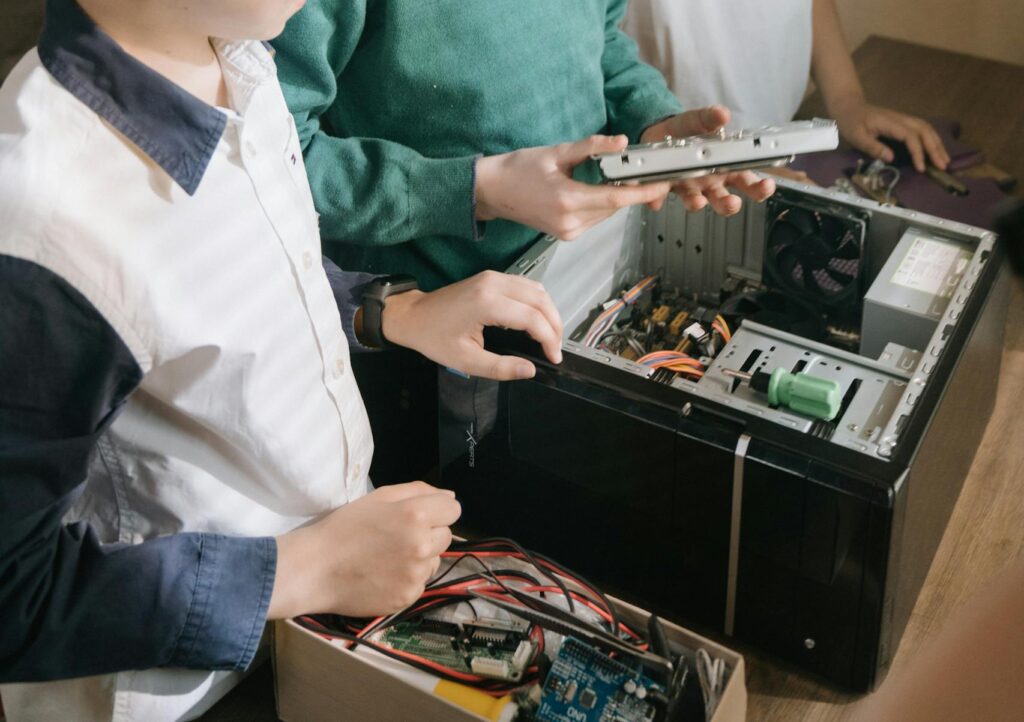
Computers, servers, and other high-performance electronics require stable and uninterrupted power. When plugged into power strips, the risk of voltage drops or surges increases, potentially damaging sensitive internal components like hard drives, motherboards, and CPUs. For protection, these devices should be plugged into an uninterruptible power supply (UPS), which provides surge protection and maintains a stable power supply. For sensitive electronics like computers, servers, and data hubs, consider investing in a UPS for both power stability and surge protection.
Television and Audio Equipment
Large entertainment setups, including televisions, sound systems, and gaming consoles, are sensitive to power surges. Plugging them into a power strip can increase the risk of damaging the delicate components inside due to unstable power flow. Moreover, many high-end electronics are designed to be plugged directly into grounded outlets to ensure proper functioning and avoid damage. Always plug televisions, sound systems, and similar high-value electronics directly into the wall to preserve their lifespan and functionality.
Medical Equipment

Certain medical equipment, such as oxygen concentrators, CPAP machines, and other life-support devices, should never be connected to a power strip. These items often require continuous, reliable power, and a power strip could disrupt their operation. A power outage in these devices could lead to catastrophic consequences. Medical devices should always have their own dedicated outlet or, if available, be connected to a medical-grade power strip to ensure constant and safe operation.
Extension Cords
It might seem convenient to plug an extension cord into a power strip for extra reach, but this can create a dangerous situation. Extension cords are designed for temporary use, not for permanent connections to power strips. Using them together increases the risk of overloading the strip and creating a fire hazard. Avoid chaining extension cords to power strips. If you need extra outlets, it’s better to use a longer power strip or additional outlets.
Hair Dryers and Curling Irons
Hair dryers, curling irons, and other high-temperature styling tools demand high wattage and could cause a power strip to overheat. These devices, typically drawing more current than a power strip can handle, may damage the strip and pose a risk of electrical fires. Always plug high-heat appliances directly into a wall outlet to ensure proper power handling and avoid safety hazards.
Christmas Lights and Decorative Lighting

While it might seem harmless to plug multiple sets of Christmas lights or other holiday decorations into a power strip, this is a mistake. When connected in large quantities, decorative lights can easily overload a power strip, especially when used with incandescent bulbs. LED lights generally consume less power, but it’s still essential to be cautious. Limit the number of lights plugged into a single power strip, and always use UL-listed outdoor-rated power strips for decorations and holiday lights.
Power Strips into Power Strips
It’s common for people to daisy-chain power strips to increase outlet availability, but this is an incredibly risky practice. Power strips are not designed to handle that much current, and this setup can easily overload the circuit, resulting in electrical fires. Always connect power strips directly to a wall socket and never plug one power strip into another. Never daisy-chain power strips. Always use a single power strip per outlet and avoid overloading circuits.
Power Strip Best Practices
While knowing what not to plug into power strips is crucial, understanding how to use them safely is equally important. Here are some best practices for using power strips:
- Check the Amp Rating: Ensure your power strip’s amp rating matches or exceeds the power requirements of the devices you intend to plug in.
- Use Only UL-Listed Power Strips: Choose power strips that have been tested for safety by recognized standards organizations, like UL (Underwriters Laboratories).
- Positioning Matters: Keep power strips away from high-traffic areas, moisture, and heat sources. Overheated or damaged power strips can pose a fire hazard.
- Never Overload: Only plug in devices that draw less power than the strip’s maximum capacity. If in doubt, consult the strip’s manufacturer information for specific wattage limits.