Canned food offers convenience, but not all options are healthy. While some, like beans or vegetables, can be beneficial, many are packed with excessive sodium, sugar, and preservatives. These overly processed foods often lose their nutritional value, leaving you with little more than empty calories.
Relying on canned foods too often can lead to health issues like high blood pressure and weight gain. Although convenient, they often contain hidden ingredients that harm your well-being. Ready to make smarter, healthier choices for your pantry? Reading on, discover which canned foods to avoid and the best alternatives for a healthier lifestyle.
Canned Fruit Cocktail
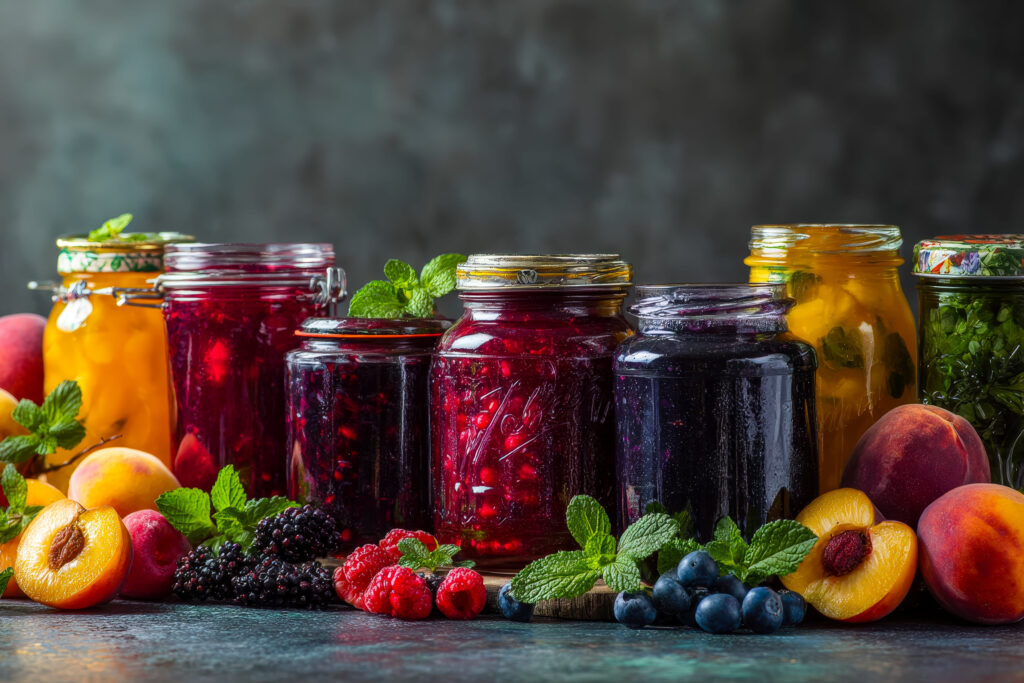
Canned fruit cocktail might seem like a healthy, easy option for a snack, but it’s often loaded with sugar. Many versions are soaked in heavy syrup, which not only adds unnecessary calories but also spikes your blood sugar levels. Even “no added sugar” alternatives are often packed with artificial sweeteners, which can disrupt your metabolism and gut health.
Moreover, the texture of canned fruit can be disappointing. After undergoing the canning process, the fruit becomes mushy and loses much of its natural flavor and nutritional content. Fresh fruit offers a far healthier and more satisfying option, without the added sugars and chemicals.
Canned Spaghetti
Canned spaghetti, like the iconic SpaghettiOs, often triggers nostalgia for many, but it’s best left in the past. These canned pasta options are high in sodium, preservatives, and unhealthy fats, which make them far from a nutritious meal. The bright orange sauce may look inviting, but it’s typically made with artificial colorants and added sugars.
Cooking pasta from scratch is far easier and healthier than relying on canned options. Not only does fresh pasta have a much better texture, but you can also control the ingredients in the sauce, avoiding artificial additives. Opting for healthier pasta dishes at home will provide more flavor and nutritional value.
Canned Refried Beans
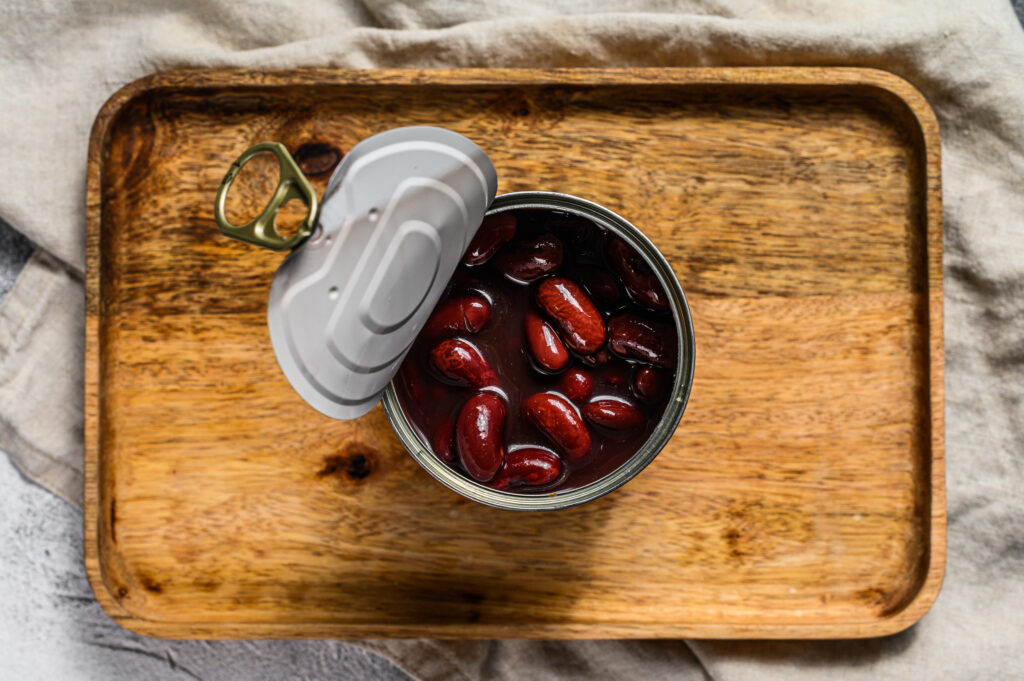
Canned refried beans may seem like a convenient addition to your meals, but they’re often packed with unhealthy fats and excessive sodium. Wide varieties use lard or hydrogenated oils to process the beans, which increases your intake of unhealthy trans fats. The high sodium content can also contribute to high blood pressure and other cardiovascular issues over time.
Making your own refried beans at home is a far better option. Using fresh beans lets you control the amount of salt and fat added to the dish. This way, you get all the benefits of the legumes without the health drawbacks of the canned version.
Canned Vienna Sausages
Canned Vienna sausages might be marketed as a quick snack, but they’re loaded with fat, sodium, and preservatives. These sausages often contain more fat than protein, making them a poor choice for a healthy diet. The nitrates used to preserve them have also been linked to an increased risk of certain cancers.
For a more nutritious snack, choose alternatives like fresh lean meats, boiled eggs, or nuts. These options provide protein without the unhealthy fats and chemicals found in processed meats. Ditching canned Vienna sausages will help you avoid the risks associated with these unhealthy options.
Canned Soup
Canned soup has long been seen as a quick, comforting meal, but most varieties are high in sodium and contain unhealthy preservatives. These soups are often little more than salty water with a few limp vegetables floating inside. Excessive salt intake can cause dehydration and elevate blood pressure over time.
Instead of relying on canned soups, consider making your own at home. Homemade soups are easy to prepare, healthier, and more satisfying, as you can control the ingredients and seasoning. A fresh pot of soup will nourish your body and taste much better than anything from a can.
White Tuna
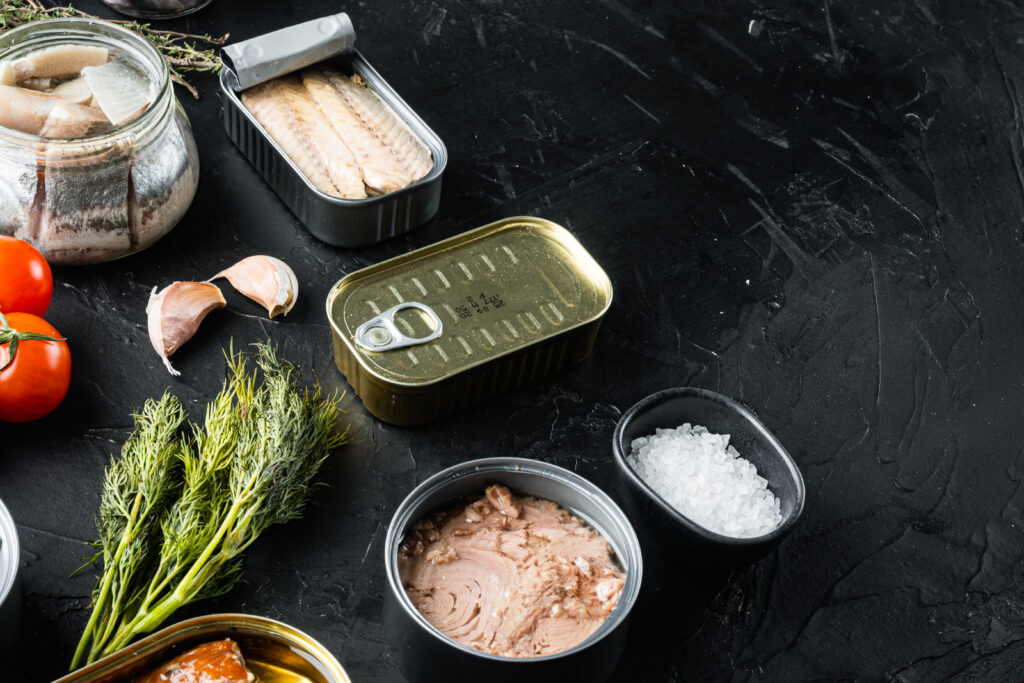
While tuna is a popular choice in many households, canned white tuna should raise a red flag for health-conscious consumers. White tuna, commonly sourced from albacore, contains higher levels of mercury than other tuna varieties. Mercury accumulation in the body can lead to serious health issues, particularly affecting the nervous system and posing risks to pregnant women and young children.
Switching to light tuna or fresh fish options is a healthier and safer alternative. These choices typically contain lower levels of mercury, reducing the potential for harm. If you love tuna, enjoy it in moderation and consider alternatives like salmon for a safer seafood experience.
Canned Corned Beef
Canned corned beef may bring back nostalgic memories of quick meals, but it’s far from a health-conscious option. These cans often contain lower-quality cuts of meat, preserved with excessive amounts of salt. This high sodium content can contribute to high blood pressure and increase the risk of heart disease.
Instead of reaching for canned corned beef, opt for fresh cuts of meat like brisket. Fresh, unprocessed meat offers better flavor and nutritional benefits without the excessive salt. You can prepare healthier meals at home using fresh ingredients that will nourish your body more effectively.
Canned Chicken
Canned chicken may seem like a quick and easy solution for meals, but the texture and flavor often leave much to be desired. The meat can be rubbery and bland, and the high sodium content makes it far from a healthy choice. Many canned chicken products also contain preservatives and modified food starches, which only add to their unappetizing nature.
A better alternative is rotisserie chicken or pre-cooked, refrigerated chicken. These are fresher, more flavorful, and provide higher nutritional value. By choosing these alternatives, you’ll get the convenience of canned chicken without sacrificing quality.
Canned Clams
Canned clams may seem convenient for adding to chowders or pasta dishes, but they come with several drawbacks. The high-heat canning process makes the clams rubbery and chewy, and they often carry a strong metallic aftertaste. Additionally, they tend to be high in sodium and can contain gritty bits of shell or sand, making them unpleasant to eat.
For a fresher, more flavorful experience, choose frozen or fresh clams instead. These options provide the same seafood flavor without the drawbacks of canned clams. Fresh clams add better texture and flavor to your meals, making them a superior choice over canned clams.