Despite the explosion of nutritional science in recent years, some old diet myths continue to circulate, often leading people to make decisions that don’t benefit their health. These misconceptions persist, primarily because they sound believable and have been passed down through generations. If you’re still holding on to these outdated ideas, it may be time to rethink your approach to diet and health.
Many of us have fallen victim to advice that’s either outdated or just plain wrong. Let’s take a closer look at some of the most common diet myths that keep people stuck in unhealthy habits, preventing them from achieving their fitness and health goals.
Carbs Are the Enemy of Weight Loss

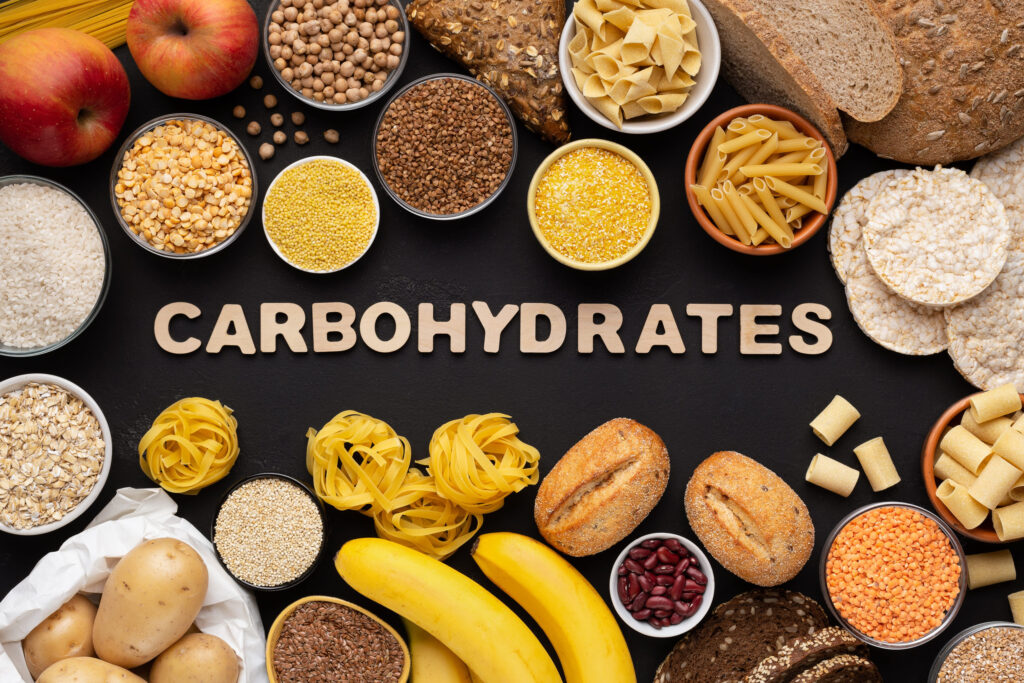
One of the most persistent myths in the diet world is the idea that carbs should be avoided at all costs for weight loss. While cutting back on refined carbs like sugary snacks and processed foods can certainly be beneficial, eliminating carbs altogether is unnecessary and unrealistic for most people. In reality, healthy carbohydrates such as whole grains, fruits, and vegetables are packed with fiber, vitamins, and minerals that support long-term health.
What truly matters is the quality of the carbs you consume, not their complete elimination. Consuming a balanced amount of good carbs along with protein and healthy fats helps regulate blood sugar levels and keeps your metabolism running smoothly. Restricting carbs too much can lead to fatigue, mood swings, and cravings, making it harder to maintain a healthy lifestyle.
Eating After a Certain Time Will Make You Gain Weight
Many people have been told that eating after a specific time in the evening will lead to weight gain. This myth often stems from the idea that the body’s metabolism slows down as you prepare for sleep. However, weight gain isn’t determined by the time you eat but by the overall number of calories consumed throughout the day versus how many calories you burn.
Late-night eating isn’t inherently bad, as long as it’s done mindfully. Choosing lighter, nutritious snacks like fruits or a handful of nuts can prevent overeating while still satisfying late-night hunger. The key is to focus on portion control and choose healthier options, rather than obsessing over the clock.
Fat Makes You Fat

Asih Wahyuni/Vecteezy
For years, the myth that eating fat makes you fat has been deeply ingrained in diet culture. However, not all fats are created equal. Healthy fats, found in foods like avocados, nuts, seeds, and olive oil, are essential for supporting brain function, hormone production, and cell structure.
Incorporating healthy fats into your diet can actually promote fat loss by increasing satiety, reducing cravings, and balancing blood sugar levels. It’s the processed and trans fats found in many fast foods and packaged snacks that are harmful, not the natural fats that nourish the body. Moderation and balance are the key.
Detox Diets Are Essential for Cleansing Your Body
Another common myth that continues to trick people into bad habits is the idea that detox diets are necessary to rid the body of toxins. While the body does need help eliminating waste, it has a built-in detox system in the liver and kidneys that works 24/7. Detox diets often involve extreme fasting or unbalanced eating patterns, which can do more harm than good.
The best way to support your body’s detox process is by eating a balanced, whole-foods-based diet rich in fiber, antioxidants, and water. These nutrients naturally support liver function and help flush out waste, so there’s no need for expensive cleanses or restrictive fasting. Staying hydrated and consuming a variety of nutrient-dense foods is the most effective way to keep your body clean and healthy.
High-Protein Diets Are the Best for Everyone
Many people believe that a high-protein diet is the key to losing weight and building muscle. While protein is an essential nutrient for muscle repair and growth, it’s not the one-size-fits-all solution that some diet plans promote. Eating too much protein can strain the kidneys, particularly if you already have an underlying health condition.
A balanced diet that includes a moderate amount of protein, healthy fats, and complex carbohydrates is more effective for long-term health. It’s also important to choose high-quality protein sources such as lean meats, fish, eggs, legumes, and plant-based options to ensure you’re getting a wide range of essential nutrients. Remember, balance is everything when it comes to nutrition.
You Can Lose Weight Quickly on a Crash Diet

Crash diets, which promise rapid weight loss, are often appealing to those who want quick results. However, this approach is not sustainable and can be harmful to the body. Extreme calorie restriction or cutting out entire food groups can slow your metabolism, leading to weight gain once the diet ends.
Rather than aiming for quick fixes, focus on gradual, sustainable changes to your eating habits. A balanced diet that supports your body’s nutritional needs, along with regular exercise, is the best way to achieve long-term weight loss and maintain it. Healthy weight loss is a slow and steady process, not an overnight transformation.
Gluten-Free Equals Healthier
In recent years, the gluten-free trend has exploded, with many people opting for gluten-free products in the belief that they are healthier. While it’s essential for individuals with celiac disease or gluten intolerance to avoid gluten, there’s no need for most people to eliminate it from their diet. Gluten-free foods are often processed and can be lower in essential nutrients, making them less healthy than their whole-grain counterparts.
For most people, consuming gluten in moderation as part of a balanced diet is perfectly safe and can provide valuable fiber and nutrients. Instead of focusing on gluten-free products, it’s better to prioritize whole grains, vegetables, fruits, and lean proteins for overall health.
All Calories Are Equal
The belief that all calories are created equal has been a long-standing diet myth. While it’s true that weight management ultimately comes down to the balance between the calories consumed and calories burned, the quality of those calories matters. A calorie from a sugary snack will affect your body differently than a calorie from a nutrient-dense whole food.
It’s important to focus on the nutritional value of the food you’re eating, not just the calorie count. A diet rich in whole, minimally processed foods provides the body with vitamins, minerals, and fiber that support overall health, making it easier to maintain a healthy weight and prevent chronic diseases. Focusing solely on calories can lead to nutrient deficiencies, leaving the body undernourished despite maintaining a healthy weight.
Conclusion
These outdated diet myths have been circulating for years, causing many people to fall into bad habits that hinder their progress toward a healthier lifestyle. By debunking these misconceptions, we can better understand how to nourish our bodies and achieve our health goals. Instead of following extreme diets or buying into unproven trends, it’s important to focus on balanced, sustainable eating habits that support long-term well-being.
The key is not to focus on quick fixes or drastic changes, but to create a nutrition plan tailored to your unique needs and lifestyle. By embracing evidence-based nutrition and rejecting harmful myths, you’ll be on your way to a healthier, happier life.